.jpg?h=1080&iar=0&w=1920&hash=D684C9857FC6C4E7BA2005496A050494)
The landscape of Formula 1 is poised for a dramatic transformation in 2026, as new regulations set to redefine the technology of the sport were first announced in 2024. Since then, these regulations have undergone multiple revisions aimed at refining aerodynamics and enhancing performance on the track.
Christian Horner, team principal of Red Bull Racing, remarked on the significance of this overhaul, labeling it as the "biggest reset in the last 50 years of Formula 1." This sweeping change aims not only to enhance the competition among the existing teams but also to accommodate the addition of Cadillac to the grid in 2026.
According to Andrea Stella, the McLaren team principal, simulations reveal that the new cars could achieve "much more convincing" cornering speeds compared to earlier projections based on the original regulations. This promises exciting developments for fans and competitors alike as they anticipate faster and more engaging races.
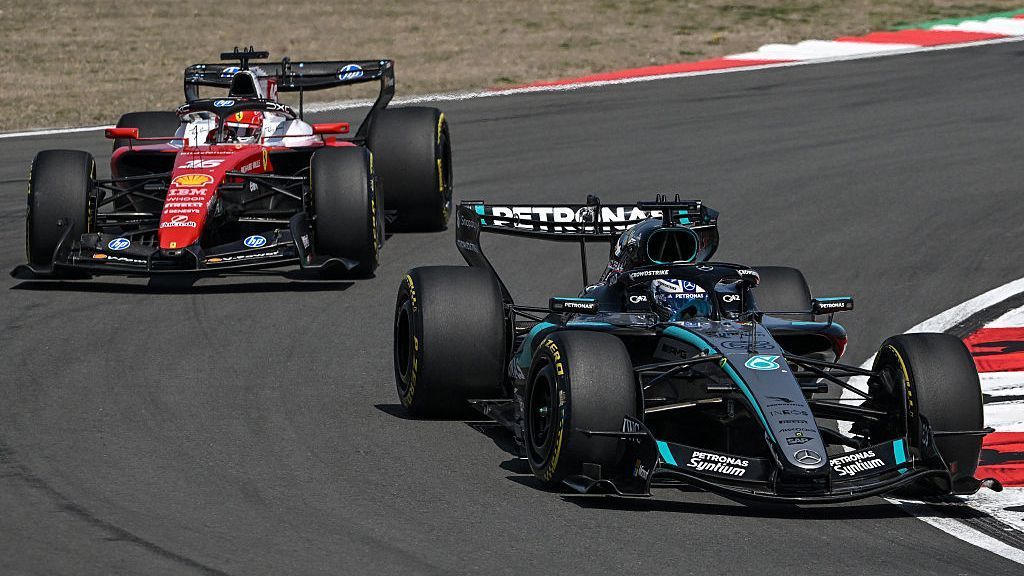
-competes-with-Ferraris-Monegasque-driver-Charles-Leclerc.jpeg?trim=0,0,0,0&width=1200&height=800&crop=1200:800)
The governing body, Fédération Internationale de l'Automobile (FIA), has made numerous adjustments since unveiling the technical regulations, which are now on their tenth iteration. The recent modifications come after extensive computational fluid dynamics (CFD) simulations along with laptime simulations, having dispensed with wind tunnel testing this time around. FIA single-seater director Nikolas Tombazis shared that these revisions have significantly improved performance metrics, explaining, "The latest regulation change has brought the performance from what maybe was -40% compared to current [2024] cars to -15% in terms of downforce."
Another primary concern for the FIA continues to be the management of aerodynamic wake. This phenomenon can inhibit overtaking and thus potentially dampen the excitement of races. Tombazis noted, "By not controlling the design of areas of the current cars... we can create vortices that disrupt airflow and impact the car's following behavior on track." Thus, the regulations aim to allow for better racing, with cars capable of following each other more closely.
As teams prepare for 2026, these regulatory amendments mark a pivotal shift that could influence car design and racing strategies significantly. The ease with which drivers can overtake and maintain speed in corners will play a critical role in shaping not just the cars' performance but also the viewing experience for fans around the globe.
In summary, the evolving landscape of Formula 1 regulations underscores a commitment to continuous improvement. The emphasis on performance and competitive racing will define the sport in the years to come as we inch closer to 2026. F1 enthusiasts can expect not only a fresh look but a new era of thrilling competition as teams adapt to the shifting technological frontier in the sport. With innovative designs and powerful new engines on the horizon, 2026 promises to showcase what modern F1 is capable of, tantalizing fans and teams alike with the possibilities ahead.