
For fans new to Formula 1, the intricacies of an F1 weekend may seem overwhelming. However, understanding the structure can enhance the viewing experience and deepen appreciation for the sport.
The typical Formula 1 race weekend spans three days, from Friday to Sunday. “On Friday, there are two one-hour practice sessions – Free Practice 1 (FP1) and Free Practice 2 (FP2),” noted a knowledgeable source within the sport. This initial phase allows teams to gather essential data and make necessary adjustments to their vehicles.
Saturday kicks off with Free Practice 3 (FP3), which provides a final chance for teams to optimize car setups before the qualifiers. The stakes rise as the day progresses toward Qualifying, a crucial part of the weekend.
Qualifying is divided into three segments: Q1, Q2, and Q3. “The first part lasts 18 minutes, the second lasts 15 minutes, and the final segment is 12 minutes long,” said an insider familiar with F1 operations. Drivers strive to secure their places on the starting grid. After Q1, the six slowest drivers are dropped, followed by another six in Q2. The top ten drivers clash in Q3 to determine their positions for the Grand Prix, with the fastest earning pole position.
When Sunday arrives, the excitement culminates in the main event: the Formula 1 Grand Prix. “A Formula 1 Grand Prix covers a minimum distance of 305 kilometers,” emphasized an F1 representative. The race duration usually spans up to two hours, providing ample opportunity for strategy and skill to unfold.
Leading up to the race, drivers conduct 'reconnaissance laps' to assess track conditions. They make final adjustments to their cars before taking their positions on the grid, following a ceremonial procession that includes the national anthem. As tension builds, team members clear the track to make way for the formation lap, where drivers heat their tires before the start of the race.
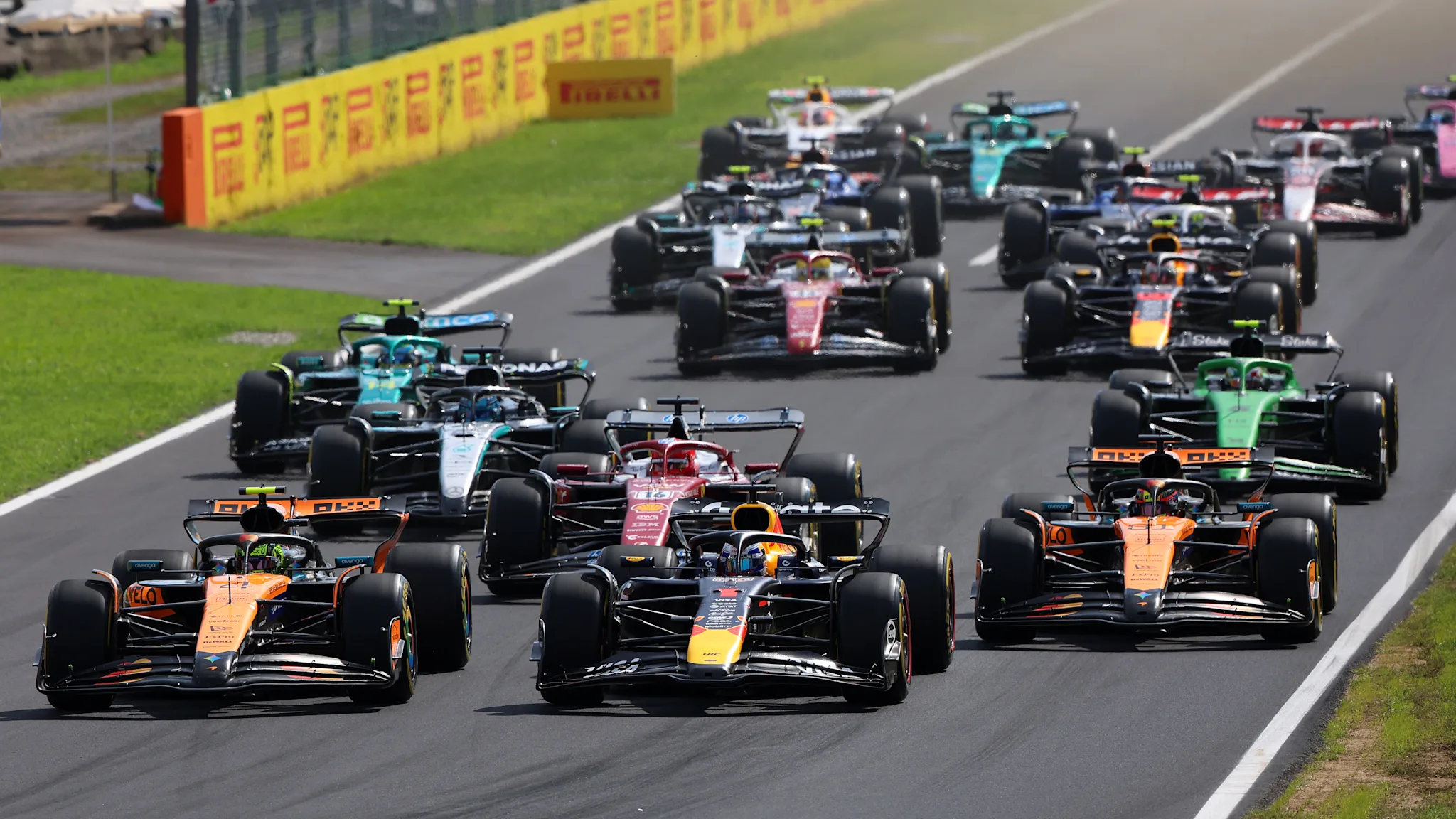
The race officially begins with the Race Director’s countdown, indicated by a sequence of five red lights that illuminate one after another. “When the lights go out, it’s game on,” stated a seasoned analyst, capturing the thrill of the F1 start.
Points are awarded based on finishing positions, with the winner receiving 25 points, followed by 18 for second place, and so on, down to one point for the tenth place. As captured in the championship points table:
| Place | Points | | --- | --- | | 1st | 25 | | 2nd | 18 | | 3rd | 15 | | 4th | 12 | | 5th | 10 | | 6th | 8 | | 7th | 6 | | 8th | 4 | | 9th | 2 | | 10th | 1 |
However, not all Grand Prix events adhere to the same format. “Each incredible F1 location offers something unique,” a spokesperson reminded us. For instance, the Monaco Grand Prix uniquely features a shorter total distance of 260 kilometers due to its nature as a street circuit with lower speeds.
The sport's global reach means that races occur in various time zones, prompting fans to adjust their schedules accordingly. Specific times for each weekend event are published in advance as part of the F1 race calendar and can differ from traditional formats.
In addition to the regular race weekend, some events feature the F1 Sprint format, which adds extra excitement and action on the Friday and Saturday leading up to the race. “Friday starts with one hour of Free Practice, followed by Sprint Qualifying divided into three stages,” explained an F1 schedule expert. This modified setup helps engage fans even further and adds innovation to a beloved tradition.
In conclusion, understanding the F1 race weekend's structure can greatly enhance the overall experience for fans, both seasoned and new. As the sport continues to evolve with exciting formats like the F1 Sprint, there is much to anticipate in the coming seasons, ensuring that each race remains a thrilling spectacle.