
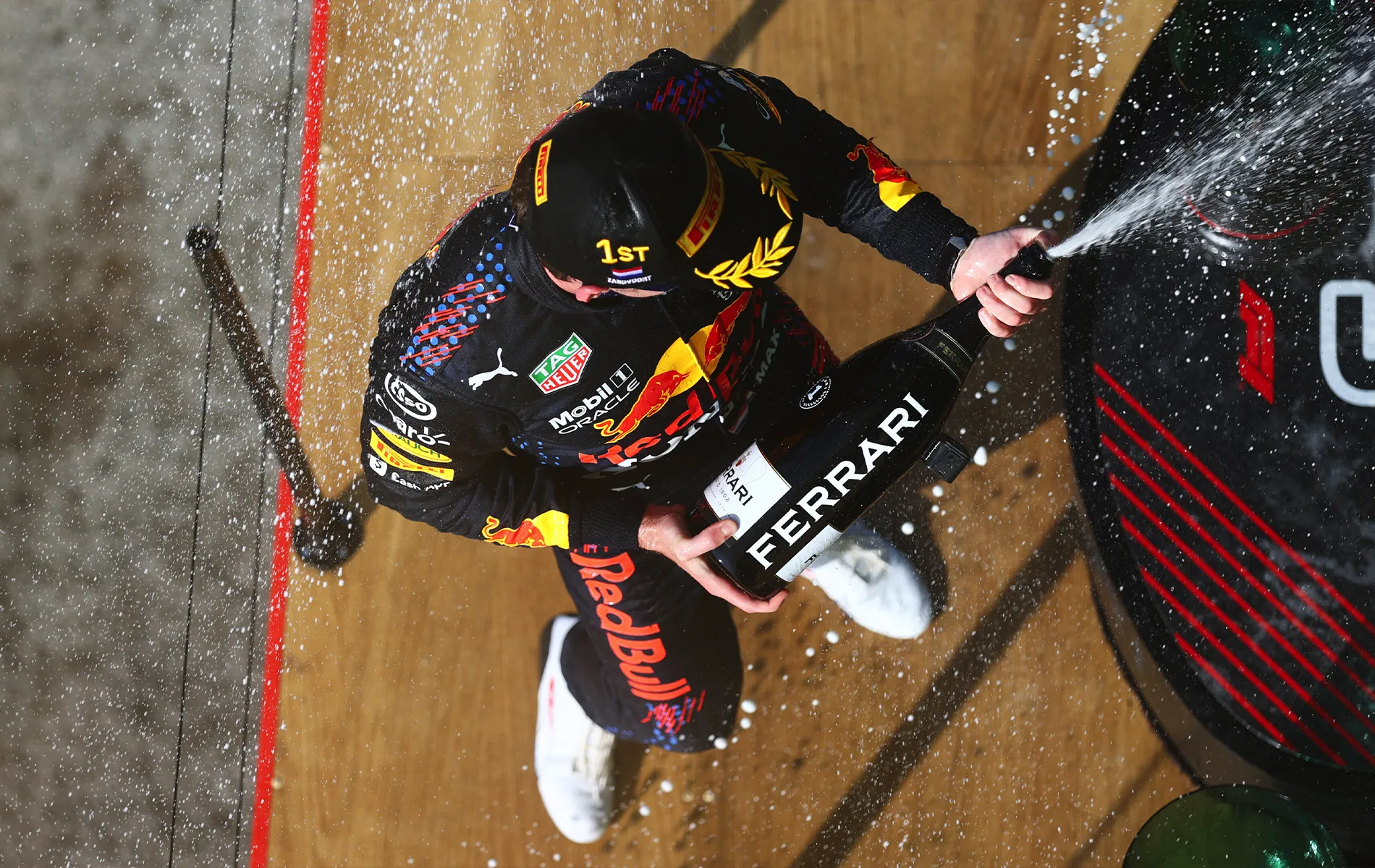
The Formula 1 points system plays a critical role in determining the standings of both drivers and teams throughout the season. Understanding how these points are awarded is essential for fans, whether they are new to the sport or longtime followers.
Currently, points are distributed to the top 10 finishers in each race, a system that has remained relatively stable since 2010. The first-place driver is rewarded with 25 points, followed by 18 points for second place, 15 for third, and so on, until the 10th position, which earns just 1 point. “It’s crucial for F1 drivers to finish in the top 10, as it helps secure valuable points for their team,” said a representative from a leading F1 team.
In addition to the standard points awarded during races, there are also opportunities for extra points during Sprint Races, which are shorter races held on weekends. “Drivers in the Sprint Race earn points for the top eight positions, which adds an extra layer of strategy to the race weekend,” explained F1 analyst Josh Taylor.
Furthermore, the fastest lap during a Grand Prix also allows drivers to earn an additional bonus point. “This encourages drivers to push their limits even when they’re not in contention for a podium finish,” noted racing strategist Eric Hansen.
The collaborative aspect of the points system extends to F1 Constructors, where drivers' points are combined and awarded to the team as a whole. This means that each driver’s performance is not just important for individual rankings but significantly affects the team’s standings in the constructors’ championship.
Upcoming Grand Prix events in the 2026 season will also follow this robust points framework. The schedule includes diverse venues from the 2026 Australian Grand Prix starting on March 6 to the climactic Abu Dhabi Grand Prix concluding the season on December 6. Some highlights include trips to iconic racing locations like Monaco, Spa-Francorchamps in Belgium, and the street circuits of Las Vegas and Miami. “Each circuit poses unique challenges and requires different strategies from the teams,” stated veteran F1 commentator Sarah Lightfoot.
As the season unfolds, the points earned can dramatically shift the competitive landscape, intensifying the fight for both the Drivers' and Constructors' Championships. A driver must consistently perform at the top of their game not just in one race, but over the entirety of the race calendar. “Every point counts, and we have seen seasons decided by just a few points,” added team principal Marco Gallo.
Overall, the interplay of the points system with racing strategies creates a dynamic and engaging atmosphere throughout the season. As fans eagerly anticipate the various Grand Prix events, the strategies surrounding points distribution remain a focal point for teams aiming for championship glory.
Looking ahead, the F1 community will closely watch how the established points system evolves and adapts over time, particularly with new racing formats and regulations likely on the horizon. Fans can witness the strategies unfold in the 2026 season, knowing that every race can significantly impact their favorite driver's standings.