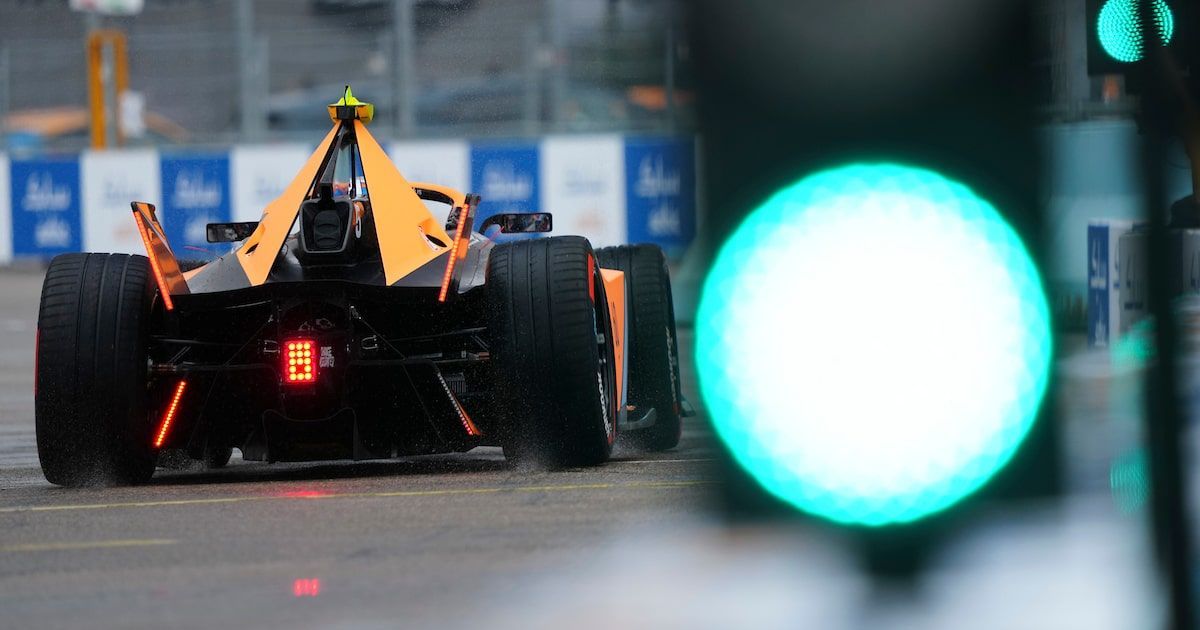
Formula E, the all-electric racing series, offers a uniquely structured race weekend designed for both competition and entertainment. The format not only highlights the skills of the drivers, but also emphasizes the technological innovations of electric vehicles.
The race weekend typically kicks off with practice sessions, which are crucial for teams to refine their setups. “It’s about finding the right balance in the car,” said Pascal Wehrlein, a veteran driver. “These sessions are where we gather data to understand how to set up for qualifying and the race.”
Following practice, drivers face the all-important qualifying session. This session determines the starting grid for the race and is a high-stakes environment where every millisecond counts. “Qualifying in Formula E is a real challenge,” said Jean-Éric Vergne, two-time champion. “The track evolves, and you need to push your limits to secure a good position.”
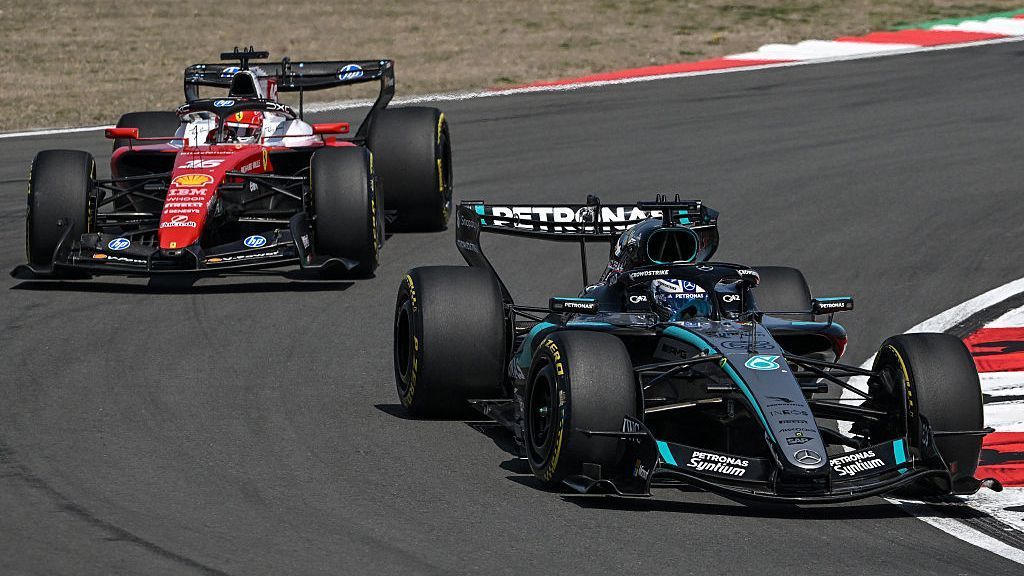
-competes-with-Ferraris-Monegasque-driver-Charles-Leclerc.jpeg?trim=0,0,0,0&width=1200&height=800&crop=1200:800)
Qualifying is divided into groups based on championship standings, which adds an additional tactical layer to the weekend that teams must navigate. “It can be a lottery sometimes, but it’s all part of the game,” remarked Mitch Evans from Jaguar TCS Racing.
Once qualifying concludes, the main event unfolds. The races are typically around 45 minutes long, followed by one lap after the leader crosses the finish line. Edoardo Mortara, an experienced driver said, “Racing in Formula E is intense. The strategy, energy management, and the need for precision make it incredibly exciting.” During the race, drivers not only compete against each other but also must manage battery life and energy consumption wisely.
On race day, teams may also deploy a tactic known as 'attack mode,' which grants drivers additional power for a limited time. This strategy can dramatically affect race dynamics. “Using attack mode at the right moment can be the difference between winning and losing,” noted Antonio Félix Da Costa.
Spectators of Formula E races experience a mixture of thrilling competition and technological demonstrations. The series places significant emphasis on sustainability and the promotion of electric vehicles, aligning with global climate change goals. “We are not just racing; we are showcasing the future of mobility,” said Techeetah team principal Mark Preston.
As a culmination of the race weekend, points are distributed to drivers and teams based on their performance, crucial for championship standings. The atmosphere is electric, not only because of the cars but also due to the engagement of fans and the lively environment of each ePrix.
“Every race weekend feels like a festival,” stated Lucas Di Grassi. “The fans are so passionate about this innovative form of motorsport.” With various events at each venue, fans often enjoy activities ranging from car exhibitions to artist performances.
Overall, a Formula E race weekend is meticulously designed to offer thrilling racing, technological showcase, and fan engagement. The blend of strategy, sustainability, and high-speed competition continues to attract an ever-growing audience.