
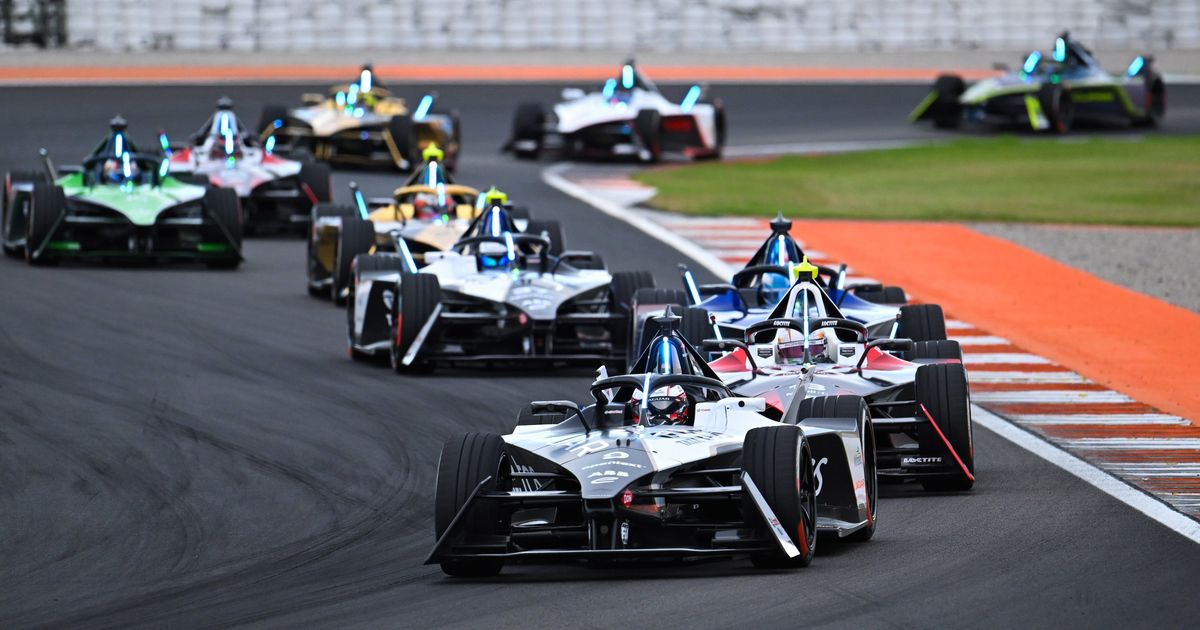
As the electric vehicle racing world continues to captivate fans, understanding the rules and regulations of Formula E becomes crucial. Governed by the FIA, this series not only promotes sustainability but also sets distinct standards aimed at creating competitive racing.
"Formula E is not just about speed; it's about technology, strategy, and sustainability," said Alejandro Agag, the founder of Formula E. This statement underscores the unique focus of the league on merging cutting-edge technology with environmental consciousness.
At the heart of Formula E's framework is its unique racing format. Races typically occur on temporary street circuits, highlighting urban environments while challenging drivers with diverse and often narrow tracks. "The courses are designed to test the skills of drivers and the capabilities of the cars in a real-world environment," said a series representative.
Each season features a series of races, known as E-Prix, where teams compete for points based on their finishing positions. The structure awards points not just for the race finish but also for pole positions and the fastest laps, creating an exciting dynamic throughout the season. "Every point counts in Formula E; it makes every race critical for our championship aspirations," said Jean-Éric Vergne, a two-time champion of the series.
Teams in Formula E consist of major automotive manufacturers, such as Porsche, Nissan, and Jaguar, all bringing their innovations to the forefront. "It's thrilling to see manufacturers who traditionally compete in F1 now embracing the potential of electric mobility," said Oliver Rowland, a driver for the Nissan team. This trend signifies the growing importance of sustainability in motorsports.
In addition to racing regulations, Formula E has incorporated fan engagement through the unique Fanboost format. Fans can vote online to give their favorite driver a temporary power boost during the race. "The interaction with fans adds a layer of excitement that is unmatched in motorsports," noted Mitch Evans from Jaguar TCS Racing.
Safety is paramount in Formula E, with strict regulations regarding car specifications and design to ensure that they are as safe as possible. "The FIA ensures that all teams adhere to safety protocols, which is crucial in a high-speed racing environment," said Pascal Wehrlein, a driver for Porsche.
Another critical aspect of Formula E is its commitment to sustainability. All teams must adhere to stringent environmental regulations that govern the use and recycling of materials. "Competing in a sustainable manner is part of our DNA in Formula E; it showcases how motorsports can lead in environmental responsibility," stated Edoardo Mortara.
As the league continues to evolve, the introduction of new technologies, such as the Gen3 car, promises to further enhance the competition. "The advancements in battery technology and powertrains are a game changer for us, making each race more thrilling than ever," said Jake Dennis, a rising star in the series.
Looking ahead, Formula E aims to solidify its position as a leader in sustainable racing while expanding its audience globally. With a mix of established teams and innovative newcomers, the championship presents a unique and energizing chapter in motorsport history. "The future is electric, and we are just getting started," concluded Alfonso Celis Jr., a driver in the series.
Through these regulations and forward-thinking strategies, Formula E not only entertains but also sets a benchmark for the rest of the motorsport industry, emphasizing the importance of innovation, competition, and sustainability.