
Formula 1 is set to introduce a new generation of power units in 2026, marking a significant shift from the hybrid systems that have characterized the sport since 2014. As F1 looks to enhance competition and attract new manufacturers, it aims to create an engine framework that is both simpler and more sustainable.
"The hybrid element of the power unit becomes more significant, while the sport also switches over to sustainable fuel blends," explained a source familiar with the changes. This move is designed to not only improve performance but also ensure that the technology remains relevant to the automotive industry and enticing for potential new entrants.
The 12-year reign of the current hybrid engines has produced some remarkable results. Notably reliable and efficient, the existing power units have driven F1 cars to unprecedented speeds. "They were the most reliable and most economical F1 engines of all time," said an analyst. However, with the changes in 2026, F1 hopes to stimulate more on-track competition and enhance the experience for both teams and fans.
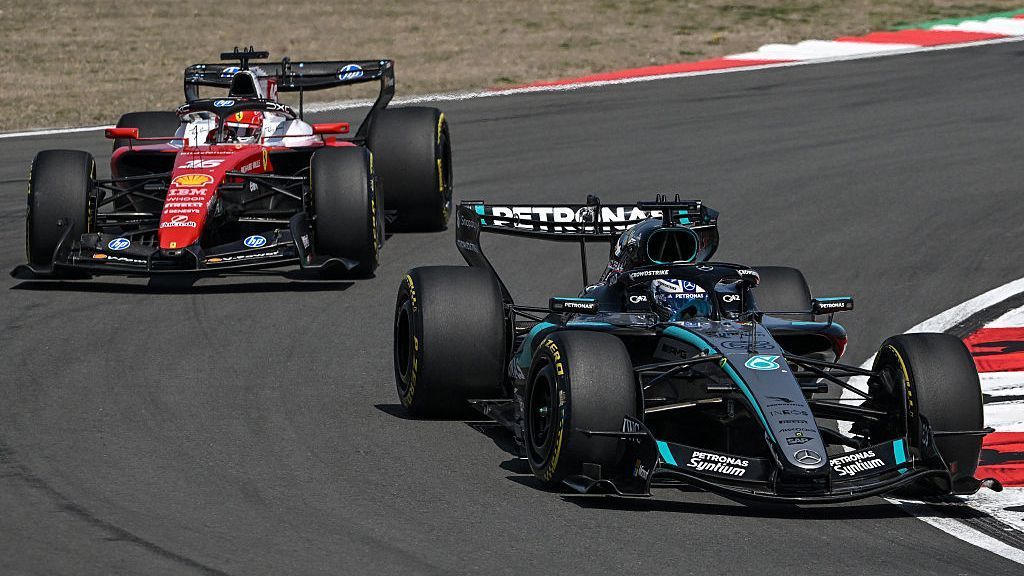
-competes-with-Ferraris-Monegasque-driver-Charles-Leclerc.jpeg?trim=0,0,0,0&width=1200&height=800&crop=1200:800)
As part of the new regulations, F1 will welcome five manufacturers to its engine fold, expanding the landscape of power unit providers significantly. Previously dominated by Mercedes and Ferrari, the field will include new entrants such as Cadillac, which partners with Ferrari, and Ford in collaboration with Red Bull.
"This has been a resounding success in attracting more engine builders," a senior executive mentioned regarding the updated regulations. With established names like Mercedes powering their own works teams and supporting other squads, and Ferrari also extending their reach to new teams, the dynamics are expected to shift in interesting ways come 2026.
Rather than simply referring to them as engines, the term "power unit" reflects the complexity of the system. "The term power unit has been used for the last decade to help differentiate between the Internal Combustion Engine (ICE) and the wider system," elaborated a team representative. This wider system includes critical components like the Turbocharger, the Energy Store, and the Motor-Generator Unit that plays a vital role in energy recovery.
The new regulations retain some aspects of the existing hybrid architecture but also introduce notable changes. "The new unit retains the 1.6-litre turbocharged V6 engine with a few tweaks, but deletes the MGU-H," stated a technical expert. The MGU-H, which recovered energy from exhaust gases, had become increasingly complex and less relevant to everyday automotive technology.
This streamlining aims to simplify the power units, allowing teams to focus on enhancing the MGU-K, which captures energy during braking. "The philosophy of F1 operating with a cutting-edge hybrid power unit remains, but the architecture is changing to make it more road-relevant," said an industry insider.
The changes come as F1 is committed to a greener future. The sport's shift to sustainable fuel blends represents a significant step towards reducing its carbon footprint while maintaining the thrilling spectacle that fans adore. "In a few months, it will all seem quite straightforward," noted an F1 analyst, hinting at the adaptability of teams and manufacturers to the new changes.
As teams prepare for the 2026 season, the anticipation builds around how these new power units will impact on-track performance and strategy. With an expanded roster of manufacturers and a commitment to sustainability, F1 is positioning itself for a more competitive and eco-friendly future.
In summary, the 2026 power unit regulations represent F1's ongoing evolution. While the introduction of these changes ushers in new challenges, they also open the door for innovation and competition, making for an exciting road ahead in Formula 1.