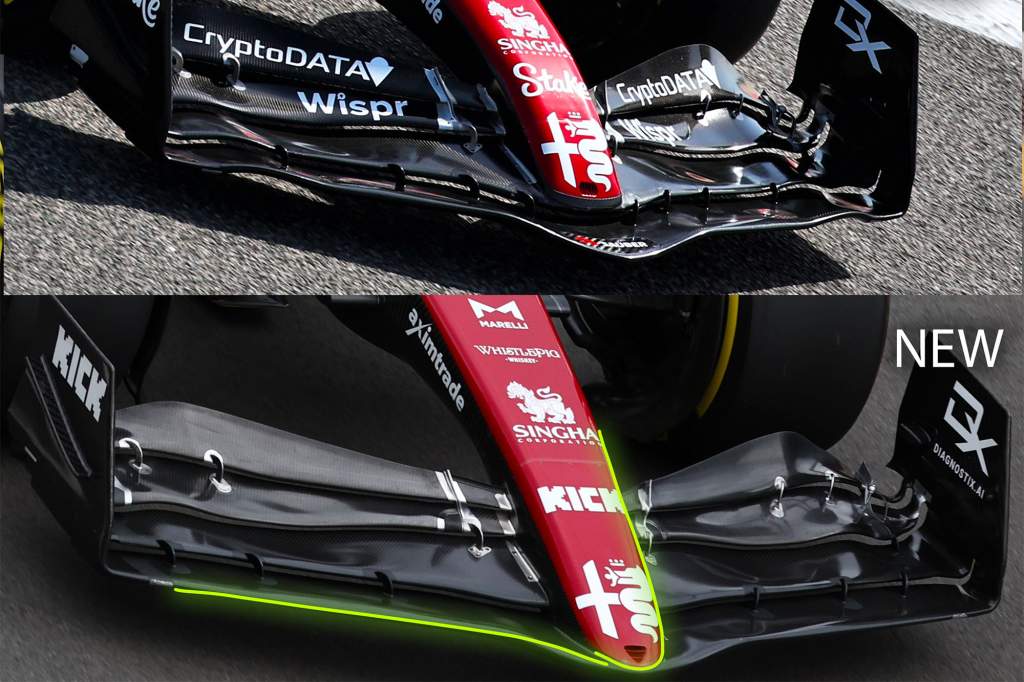
As the Formula 1 circus rolled into Australia for the Grand Prix weekend, Alfa Romeo unveiled a new nose design along with modifications to their front wing assembly. Aimed at enhancing performance, these changes came as part of the team's focused evolution to their chassis design early in the season.
"We always planned to introduce front end changes after concentrating on the rear end during the winter development," said a team representative.
One notable aspect of the new design is the removal of the slot gap between the foremost element and the underside of the now-extended nose. This alteration is intriguing for aerodynamics, as having this slot gap typically aids in maintaining airflow attachment to that surface, thus improving the consistency of airflow towards the leading edge of the underfloor.
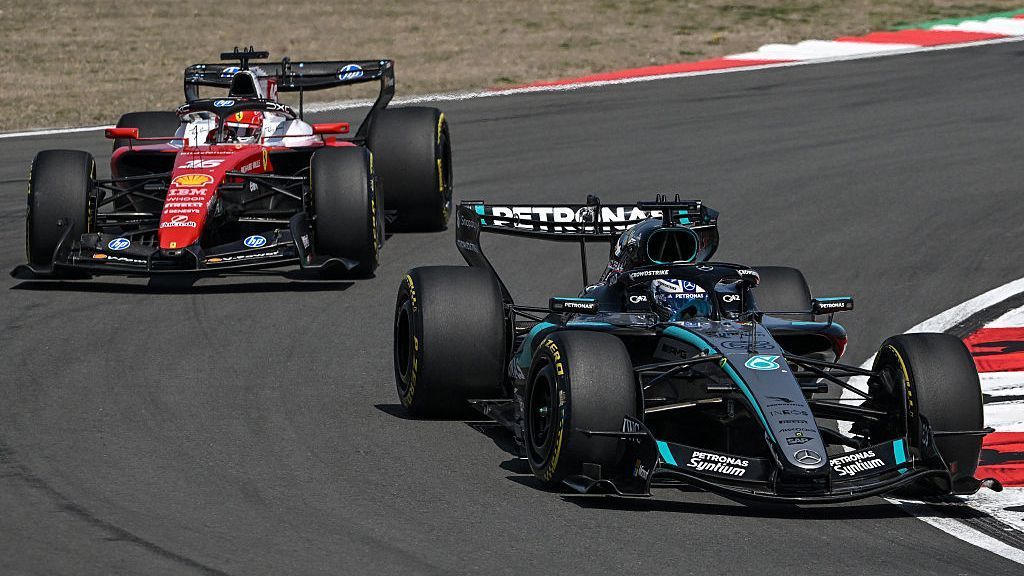
-competes-with-Ferraris-Monegasque-driver-Charles-Leclerc.jpeg?trim=0,0,0,0&width=1200&height=800&crop=1200:800)
According to renowned F1 technical analyst Gary Anderson, “Having this slot gap helps the airflow to stay attached to that surface, which means the airflow to the leading edge of the underfloor is more consistent.” The implications of this modification could be significant in terms of airflow management around the vehicle's aerodynamics.
In addition to the nose configuration, the front wing has also seen changes, particularly around its leading edge. The central section of the wing has been raised slightly, which should help mitigate stalling at low ride heights, particularly during braking phases. Anderson noted, “This will reduce the potential for this section stalling at very low ride heights and especially under braking.” By allowing a better flow under the lower surface of the front element, the team anticipates enhanced stability and responsiveness during critical turns.
“The modification should give Alfa Romeo a bit more front end downforce in high-speed corners when the car is low and rolling from the cornering forces,” Anderson highlighted.
The team has also attached the forward element of the wing to the newly lengthened nose, allowing for the removal of two inboard slot-gap separators while adding an additional outboard element to boost airflow outwash. Thus, the design enhances the car’s aerodynamic profile which is crucial for performance in fast corners.
In summary, these enhancements mark a significant stride in Alfa Romeo's ongoing efforts to improve their competitive edge. The team's careful engineering and willingness to adapt their design principles signify a proactive approach to meet the constantly evolving demands of Formula 1 racing.
Looking forward, these changes could play a crucial role in the team's performance throughout the season as they adapt to the challenges of various circuits. The initial indications from Australia will likely be instrumental in assessing the long-term effectiveness of their front-end modifications and will set the stage for further innovations in the ongoing Formula 1 campaign.