In a recent Formula 1 showdown, the focus on tyre strategy took center stage, dramatically influencing the race's outcome as teams adapted to changing track conditions. This pivotal element stretched the tactical abilities of the teams, showcasing why each decision in the pit could mean the difference between victory and defeat.
"We knew from the start that tyre management would be crucial today," said Team Principal of Ferrari, Mattia Binotto. His sentiments reflected the broader strategy employed throughout the race, as teams evaluated not only their performance but also their rivals' decisions.
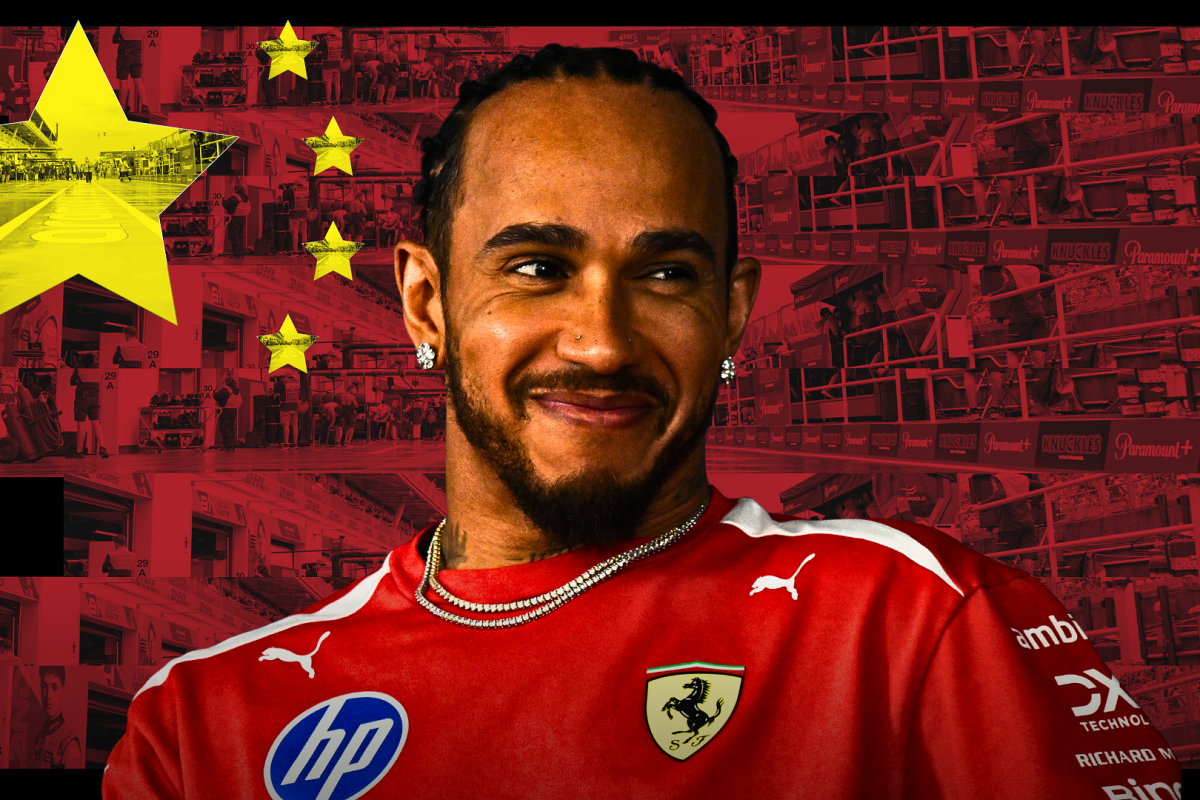
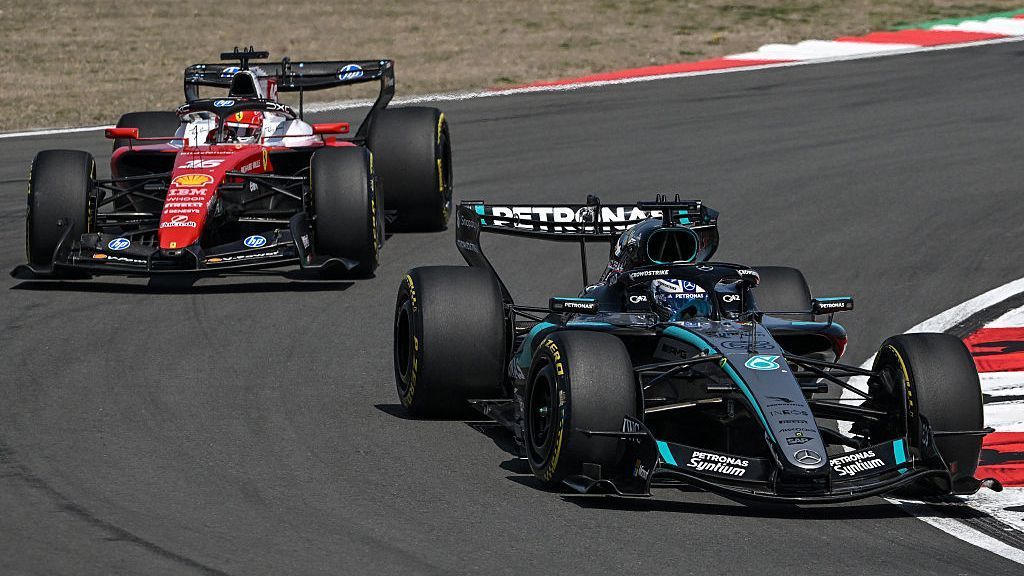
As the race progressed, the drivers faced varying track conditions that necessitated a careful selection of tyre compounds. An intense battle ensued on the circuit, with overtaking maneuvers executed under tight conditions. "The grip level changed so quickly; it was a challenge to find the right balance with the tyres," commented Lewis Hamilton, who delivered a top-notch performance despite the demanding circumstances.
-competes-with-Ferraris-Monegasque-driver-Charles-Leclerc.jpeg?trim=0,0,0,0&width=1200&height=800&crop=1200:800)
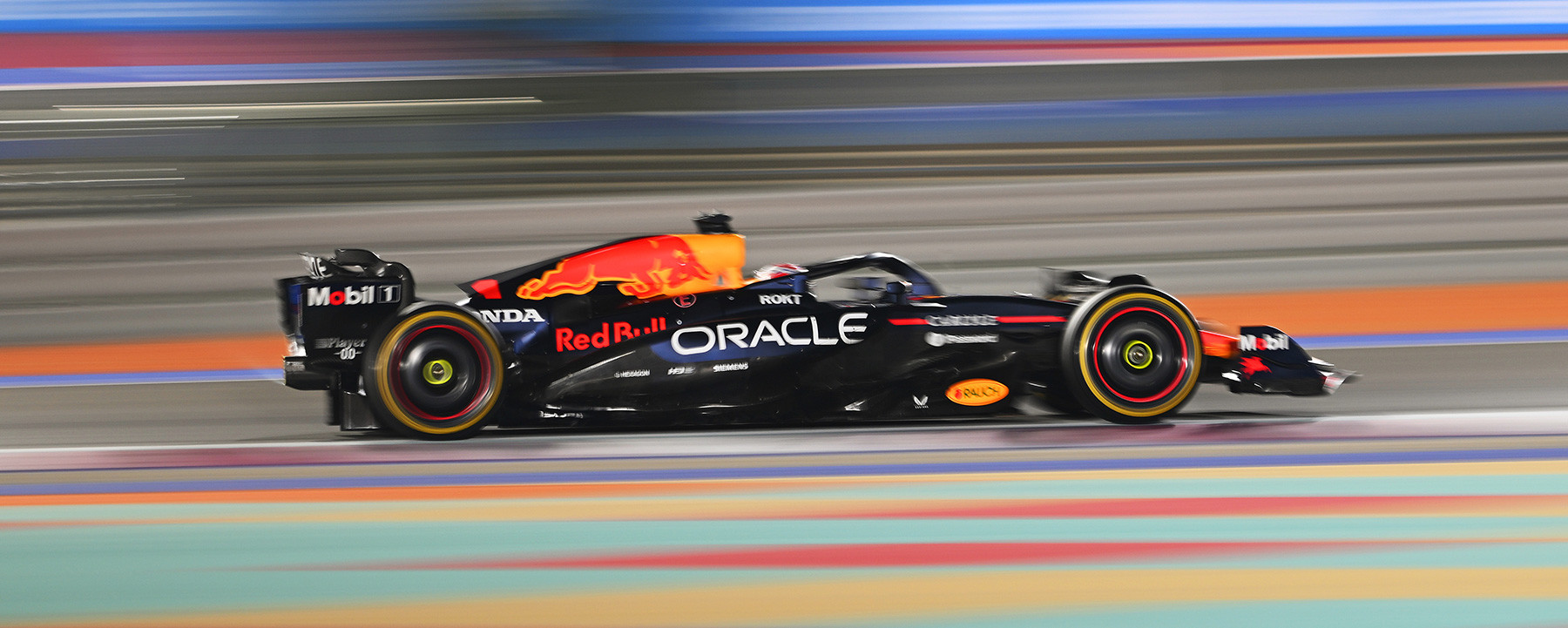
The contrasting strategies resulted in a dynamic race experience, with teams sometimes opting for conservative approaches while others took a riskier route. "We took a gamble on the medium tyres, thinking the safety car would come out and change the dynamics," revealed Red Bull Racing’s strategists. That gamble indeed paid off for some competitors but left others trailing.
Pirelli, as the exclusive tyre supplier for the Formula 1 series, emphasized the significance of their product in shaping the race strategies. "Our tyres are designed to give teams a range of options, and the teams used that to their advantage today," said Mario Isola, Pirelli's Head of F1 Racing. His observations underlined the delicate interplay between the teams' strategies and the tyre performance throughout the event.
The discussions surrounding pit stops became a focal point, with teams making decisions that could alter tire degradation rates and overall race pace. "Every pit stop was meticulously planned, but we had to remain flexible, especially when we saw how the temperature impacted the track conditions," added Binotto, revealing the complex thought processes behind seemingly spontaneous decisions.
Fans watching from home were treated to a spectacle of strategy as well as speed. Social media buzzed with discussions of how tyre choices impacted not just the race outcomes, but the individual performances of the drivers. "It was fascinating to watch how the teams managed their resources; it added a layer of depth to the race for viewers," one excited fan noted on Twitter, capturing the collective sentiment of many.
As the chequered flag came down, the results reflected not just raw speed but the culmination of strategic thinking and effective execution. "At the end of the day, it’s not just about having the fastest car, but having the smartest approach," remarked a member of a competing team, highlighting the intelligence behind the race's thrills.
In conclusion, this race served as a reminder that Formula 1 is as much about the intricacies of strategy as it is about the machinery. Tyre choices and pit stop timings played a pivotal role, emphasizing the sophisticated planning that goes into each event. Looking ahead, teams will likely continue to adapt and refine their strategies, as they seek to optimize their performance for future races on an ever-evolving circuit landscape.