
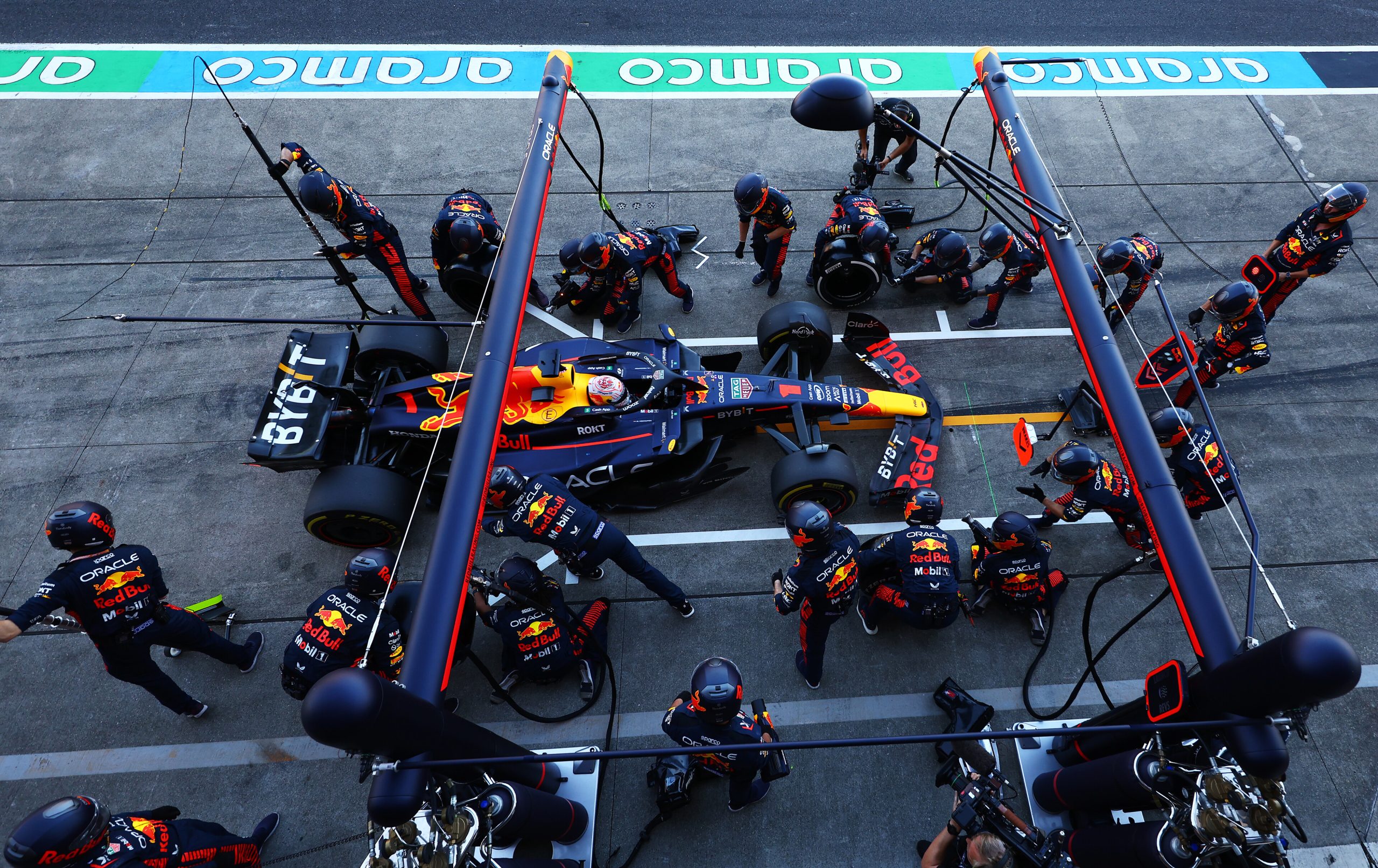
The 2023 Japanese Grand Prix unfolded with Red Bull's Max Verstappen claiming pole position, setting the stage for a riveting contest. McLaren drivers followed closely behind, occupying the first and second rows, while Sergio Perez's fifth-place position divided the Ferraris. This strategic positioning proved crucial as the race progressed.
Amidst the swirling excitement, tire management took center stage. According to Pirelli, tire degradation was a primary concern due to the circuit's tough surface and elevated temperatures. "Getting the strategy right was half of the work for the teams," said a Pirelli representative, highlighting the complexities faced by teams navigating Suzuka’s challenging conditions.
The track layout at Suzuka exacerbates overtaking difficulties. With limited straightaways, overtaking demands an impeccable strategy. Pirelli had chosen the C1, C2, and C3 tire compounds, notably harder than those used in previous races. With drivers struggling to find grip, the harder tires faced issues with overheating, which in turn led to thermal degradation on the asphalt.
Pirelli’s analysis suggested that teams should lean towards a two-stop strategy. "The predicted optimal strategy for the Japanese GP is C3-C1-C1," highlighted Pirelli, pointing to the preferred soft to hard tire switch for optimal race pace. According to the data, drivers could expect to pit around lap 13 to 19 for their first stop, transitioning to a hard-compound tire thereafter. This would lead to two nearly equal stint lengths, with a second pit stop targeted between laps 31 and 37.
Team personnel were keenly aware that the weather would also play a pivotal role in shaping strategies. Last year's dramatic rainfall resulted in a shortened race, but conditions this time were warmer and sunnier, resembling the humidity experienced during the Singapore Grand Prix. "There was no trace of rain in the sky this year, adding an extra layer of strategy consideration for everyone involved," noted a team strategist during pre-race discussions.
As the race progressed, various strategies came into play among the competitors. Some teams opted for aggressive two-stop strategies, hoping to capitalize on early tire performance, while others settled into a more conservative rhythm. “The teams had different options for their strategies, showcasing diversity in execution and planning throughout the race,” remarked a race analyst.
Driver feedback was pivotal during the race. Verstappen, known for his skill in navigating tire performance, shared, "I felt the hard compound was a significant improvement after the initial laps. Managing the transition was key to maintaining pace." Others, like a McLaren team member, pointed out, “Our drivers had to adapt quickly to the conditions; playing the tire strategy effectively was essential to our challenge today.”
In contrast, drivers facing challenges with tire wear often expressed frustration. A Ferrari engineer noted, “We underestimated the amount of sliding. It impacted our race strategy significantly.” This commentary reflected the changing landscape of the race as teams recalibrated based on real-time feedback from their drivers.
In conclusion, the 2023 Japanese Grand Prix exemplified the intersection of skill and strategy, with tire management at the heart of the race’s tactical discussions. Teams employed a variety of approaches, each influenced by track conditions and weather patterns. Going forward, teams will need to evaluate this race critically and adapt their strategies for future events, ensuring that they optimize their readiness for the unpredictable nature of Formula 1 racing. The lessons learned at Suzuka will long impact the season’s progression as teams refine their approaches in pursuit of championship glory.