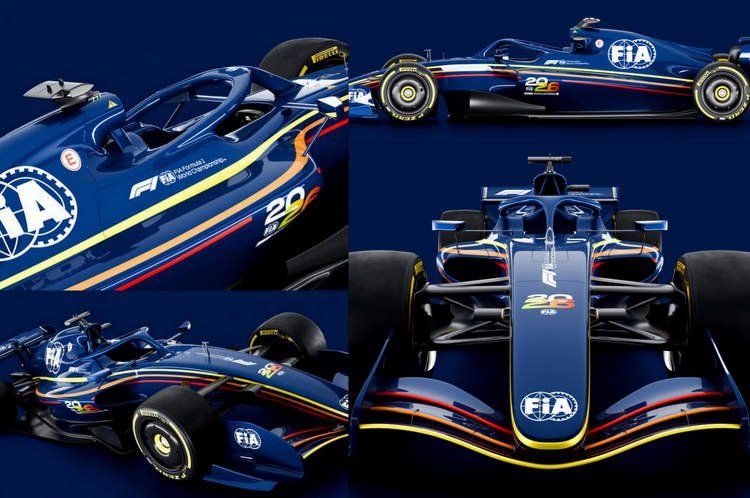
As Formula 1 gears up for the 2026 season, fans and teams alike are preparing for a transformative year. This overhaul isn’t just about tweaking regulations but encompasses a comprehensive reworking of nearly every aspect of the sport, affecting power units, aerodynamics, car dimensions, and race weekend operations.
The forthcoming changes are underpinned by a clear mission: to enhance the agility of the cars, reduce their sensitivity to turbulent air, and put a greater emphasis on sustainability. "We aim to make the cars more agile while ensuring performance aligns with sustainability goals," said a spokesperson from the FIA.
Central to these changes is the power unit. The existing 1.6-litre V6 turbo engine—first introduced in 2014—will now feature a greater emphasis on electrical output, with the motor-generator unit connected to the crankshaft (MGU-K) expected to reach approximately 350 kW. Meanwhile, the MGU-H, which has been part of the current hybrid setup, will be eliminated. This decision to simplify the power unit “will make it easier for new manufacturers to enter the sport,” noted a senior F1 executive.
-competes-with-Ferraris-Monegasque-driver-Charles-Leclerc.jpeg?trim=0,0,0,0&width=1200&height=800&crop=1200:800)
The implications of these modifications are significant. Teams will have to rethink their energy management strategies, necessitating a focus on both performance and efficiency with the new electrical dynamics now front and center. "The tech is moving towards a more efficient and simpler design, which is exciting for the future," reflected a senior engineer from one of the leading teams.
From an environmental standpoint, the regulations also demand a shift towards advanced sustainable fuels. These are not merely cosmetic changes; they pose the challenge of maintaining high performance while staying true to Formula 1's identity. As sustainability becomes vital in motorsport, it’s clear that this transition aims to strike a balance between performance and eco-consciousness.
In terms of aerodynamics, the long-utilized Drag Reduction System (DRS) will be replaced by an innovative active aerodynamic system. This will allow both front and rear wings to adapt configurations during the course of a lap, which is anticipated to improve racing dynamics. "By reducing drag on straights and enhancing downforce in corners, we can expect cars to follow each other more closely with less sensitivity to airflow disruptions," stated a FIA aerodynamics expert.
Another major shift is the design ethos behind the cars themselves. Formula 1 cars have gradually increased in size, but the 2026 regulations will prioritize smaller, lighter, and more nimble vehicles. This includes revised dimensions and a lower minimum weight target. "A leaner design will fundamentally alter how teams approach radiator layouts and weight distribution," conveyed a team principal.
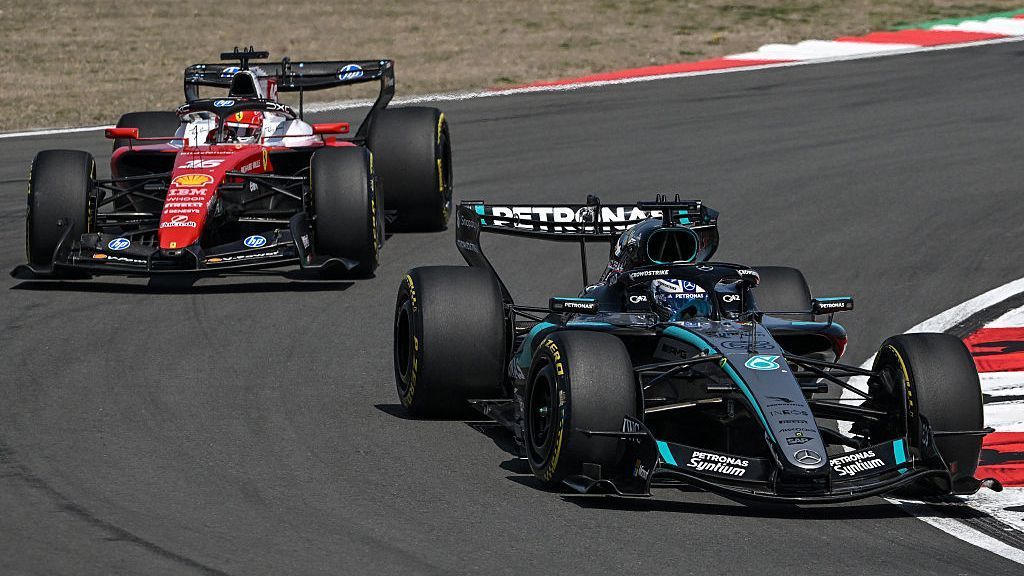
Tyre specifications will also see a revamp to complement the new aerodynamic designs. Given the interplay between tyres and aerodynamics, alterations in one area will necessitate corresponding changes in the other for optimal results.
While the spotlight often shines on high-profile changes, many safety innovations will occur behind the scenes. The FIA will implement stricter requirements for construction and testing, aiming to create rigorous guidelines that eliminate grey areas that could foster ambiguity. "In many cases, it’s the meticulous attention to detail in the regulations that ensures safety improvements will be both effective and visible," highlighted a FIA safety official.
Furthermore, it's not only the vehicles undergoing transformation; race weekends will also see operational changes tailored to support the introduction of these new regulations. Enhanced testing phases at pre-season venues like Barcelona and Bahrain are planned to prepare teams for the upcoming challenges and complexities. F1 officials have also introduced temporary adjustments—all designed to ease teams into this new era—such as changes to personnel allowances at circuits.
Moreover, the calendar is poised to embrace unconventional scheduling with races like the Baku Grand Prix slated for a Saturday, aligning with local logistics and fan engagement strategies. "Such adjustments are important to modernize our approach to race weekends and fan experience," a Formula 1 race director commented.

As 2026 approaches, optimism abounds among teams and stakeholders regarding these ambitious changes. With more variables affecting race strategy and performance, the upcoming season promises to deliver thrilling and unpredictable racing. The Formula 1 of tomorrow may look markedly different, but the commitment to preserving its competitive spirit remains unchanged.