
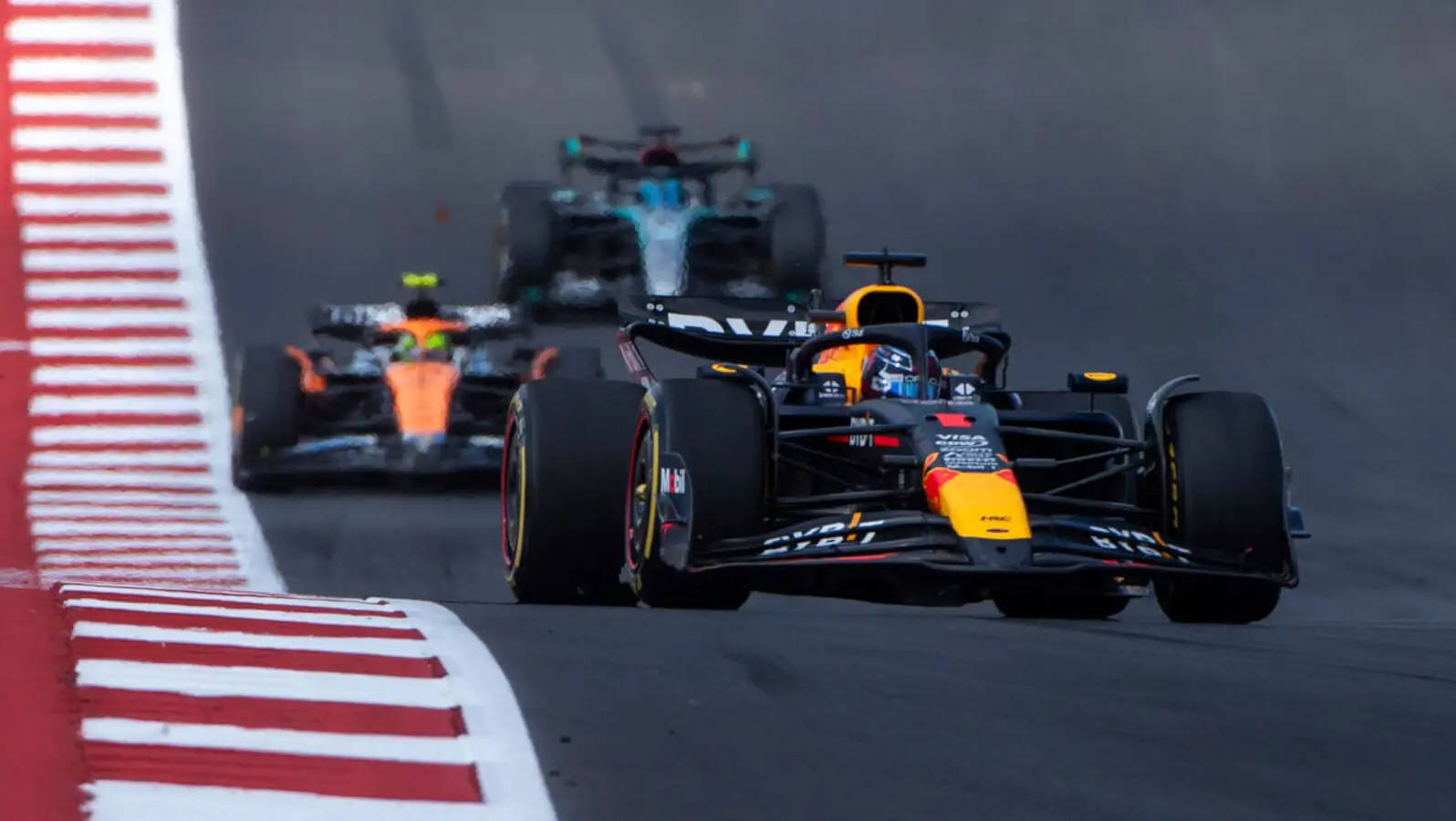
As the Formula 1 season intensifies, Red Bull Racing has reportedly turned a corner, showcasing the benefits of their recent upgrades. Max Verstappen’s performance at the United States Grand Prix underscores this shift, as he expanded his championship lead over McLaren’s Lando Norris.
This exciting dynamic on track compounds the ongoing rivalry between Red Bull and McLaren, both of which have introduced new technical solutions aimed at enhancing their competitive edge.
Before examining these upgrades, it's vital to contextualize the challenges presented by the Circuit of the Americas in Austin. The track layout is known for its diverse demands — featuring long straights combined with a mix of fast and slow corners. "Austin is a challenging circuit for introducing new components," said one technical analyst. This complexity requires teams to adopt a comprehensive strategy rather than a singular focus.
Adding to the challenge, the event marked the fourth sprint weekend of the year, providing teams with just one practice session to fine-tune their setups. Such constraints inherently limit the teams' ability to collect data and make adjustments, particularly when tackling a newly resurfaced track with various upgrade elements.
Interestingly, during this pivotal race weekend, Ferrari, the only top team without recent upgrades, demonstrated dominance, winning decisively, suggesting that timing and context were critical factors in the performance outcomes.
While Red Bull has experienced declines in their race-winning abilities compared to last year, they recently rolled out crucial upgrades aimed at addressing deficits in rear-end aerodynamics. Previously, their performance stagnated, particularly after McLaren showed marked improvements in their own competitiveness, forcing Red Bull to reevaluate their strategies.
"We saw radical changes in Hungary that were aimed at improving rear performance, especially on high-downforce tracks," a Red Bull engineer explained. Following those initial attempts, the team introduced a transformative layout in Azerbaijan, featuring a new diffuser that borrows elements from Ferrari’s design philosophy.
In Texas, spectators witnessed tangible modifications, particularly at the rear of the vehicle. The updates included a redesigned sidepod upper surface and altered floor edges, altogether enhancing airflow management crucial for better diffuser performance. The latest addition is a repositioned flow deflector that directs air towards the rear suspension and diffuser, promising greater stability and reduced drag.
Another notable adjustment involved the central area of the upper sidepod surface, which features a slight depression. This design cue was first seen in McLaren's upgrades introduced at the Miami Grand Prix and represents a clear trend in technical evolution among rival teams. While Red Bull’s recent changes may appear minor, they stem from an accumulation of hard work and strategic experimentation carried out over several months.
Red Bull's engineers have been grappling with challenges inherent to the new ground-effect car generation. The dynamics at high speeds lead to a decrease in floor height, resulting in an unfavorable balance — particularly in fast corners where the front wing generates additional downforce. "This creates a difficult handling scenario for the drivers," remarked a veteran driver strategist.
Conversely, the car feels more balanced during slower corners, leading to a discrepancy in performance that teams strive to mitigate. By concentrating on augmenting rear downforce, Red Bull has made significant progress in achieving a more manageable setup for their car, suggesting an encouraging pathway moving forward.
On the flip side, McLaren has continued to confront various challenges with their own upgrades. Their level of performance at the recent races indicates that while they made strides earlier in the season, consistent results have been elusive. The team remains focused on addressing these difficulties as they look to close the gap on their competitors.
As the competition heats up, the technology race between these two teams provides captivating narrative arcs in the ongoing F1 season, leaving fans and analysts eager for future developments. The interplay of both teams' progress, results from upcoming races, and the influence of evolving track conditions will undeniably shape the championship race in the months ahead.