
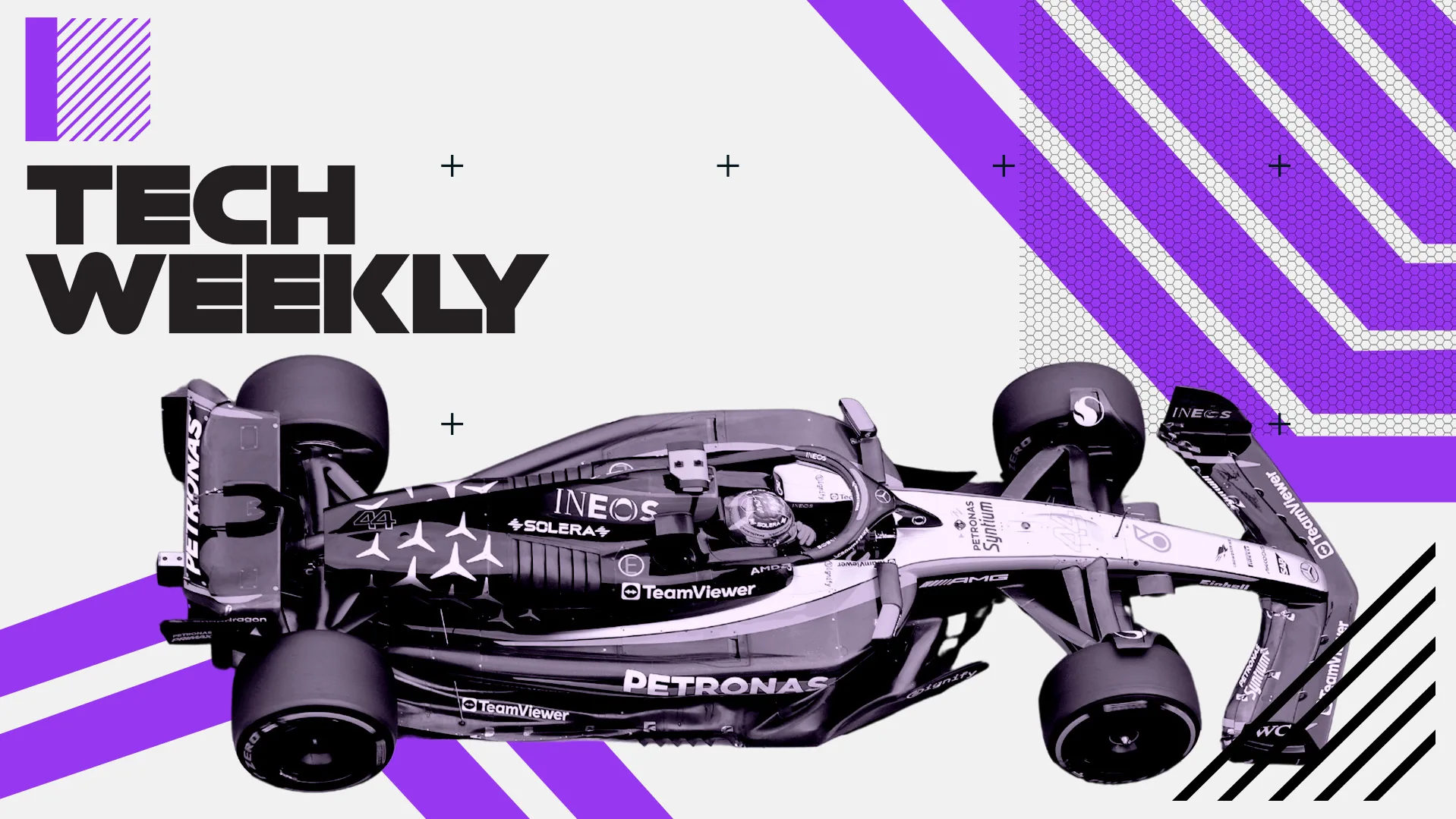
As the 2024 Formula 1 season progresses,Mercedes has made headway in understanding the intricacies of ground effect regulations with their W15 car. Initial comparisons reveal stark differences in performance between the current model and its predecessors that dominated the races leading up to the summer break.
This performance leap did not occur by chance. “Mercedes, three years in, finally seem to have unlocked the secrets of the ground effect regulations,” noted technical contributors Mark Hughes and Giorgio Piola. After grappling with inconsistent simulation results versus track performance, the team’s initial concept for the season was significantly flawed.
Understanding the volatility of ground effect cars was crucial for Mercedes. The team's early struggles positioned them at a disadvantage. They began the season playing catch-up as they struggled to keep pace with evolving performance standards. Acknowledging the earlier missteps, a Mercedes spokesperson emphasized, “Since then, it has been running to catch up – but it has been a moving target.”
Throughout this technical evolution, the team implemented extensive modifications to the W15, allowing drivers to better harness ground effect dynamics. These improvements have led to a notable enhancement in stability and speed on the track.
As they continue refining their approach, Mercedes shows signs of resilience in an intensely competitive environment. Their journey reflects the broader landscape of F1, where innovation and adaptation are key. The evolution of the W15 not only illustrates Mercedes’ commitment but also highlights their strategic alignment with current regulations.
While Red Bull and other teams have been strong, the updates to the W15 indicate that Mercedes is back to a competitive edge. As Max Verstappen succinctly put it regarding his own team's engine performance, “Red Bull engine start ‘very positive’.” This sentiment resonates through the paddock as other teams, including Aston Martin, showcase their aspirations despite early-season challenges.
With anticipation building for the upcoming races, the spotlight shifts to whether Mercedes can maintain this momentum. Their success will depend on their ability to continuously adapt their strategy against rivals who are fast-paced in their innovation cycles.
By committing to an introspective evaluation of their previous shortcomings, Mercedes has positioned itself as a formidable competitor in the 2024 Formula 1 season.
Looking ahead, the question remains: will these developments allow Mercedes to recapture the championship title? Fans and analysts alike are eager to witness how the remaining races unfold as the team strives for excellence amid a landscape of heightened competitiveness. This renewed commitment to understanding and mastering the technical aspects of car design will be crucial as they aim to secure their place at the top once more.