In the high-stakes atmosphere of a title-decider race, McLaren executed a daring dual-tyre strategy that turned heads and shifted the dynamics of the competition. Lando Norris, sitting on the points leaderboard, was set to race with medium tyres while teammate Oscar Piastri opted for hards. This strategy was designed to disrupt Red Bull's Max Verstappen, who was not only the polesitter but also needed a win to claim the championship.
Piastri’s choice of hard tyres was a risky move, potentially jeopardizing his position right from the start. Yet, it was a strategic gamble that McLaren calculated could pay off substantially over the course of the race. The plan was clear: if Piastri could maintain a lead over Norris, he would force Verstappen to push hard, minimizing the risk of Norris’ tyres suffering from graining.
Starting the race, all three competitors—Norris, Piastri, and Verstappen—held their initial grid positions through the first corner. However, this was quickly addressed when Piastri made a bold move around Turn 9 during the opening lap. "I knew what I had to do and didn’t even think about it," said Piastri, reflecting on his decisive maneuver. "We had a plan, and I was determined to implement it."
-competes-with-Ferraris-Monegasque-driver-Charles-Leclerc.jpeg?trim=0,0,0,0&width=1200&height=800&crop=1200:800)
Norris, keen on sticking to the strategy, did not resist Piastri’s advancement. Although he initially retained his second place, the battle for podium positions quickly intensified. As the race progressed, Norris found himself easing back, allowing Leclerc’s Ferrari to hover behind him without being in a direct threat, setting the stage for a potential title victory underpinning McLaren's strategy.
However, the unfolding events posed notable challenges for McLaren. Mercedes’ George Russell, chasing Leclerc, began to encounter serious front tyre graining just as they were closing in on Norris. The ripple effects of Russell’s pit strategy triggered a premature pit stop for Norris on lap 14, pulling him into a conflict with the traffic of cars ahead. Though he was managing his pace effectively, he had to ensure he cleared the pack to remain competitive. "It wasn’t ideal timing for a pit stop, but I had to do what was necessary to maintain position," stated Norris.
One critical moment in the race saw Norris contending with Yuki Tsunoda of Red Bull, who was tasked with aiding Verstappen. Norris, determined not to let Tsunoda stall his progress, communicated clearly over the radio: "I know what to do, so leave me." Despite Tsunoda's attempts to block him by weaving, Norris managed to maneuver past, though his move took him onto the dust-covered part of the track, a risky gamble as stewards would ultimately penalize Tsunoda for his defensive tactics, handing him a five-second penalty.
With Piastri leading the race after Verstappen's pit on lap 23, Norris strategically waited. Piastri’s longer stint would allow him to reclaim a spot while simultaneously creating a safety buffer between himself and Leclerc. This careful orchestration from McLaren was critical and reflected their innovative race strategy. "It’s all about timing and positioning in these races. We had to think ahead," explained a McLaren strategist.
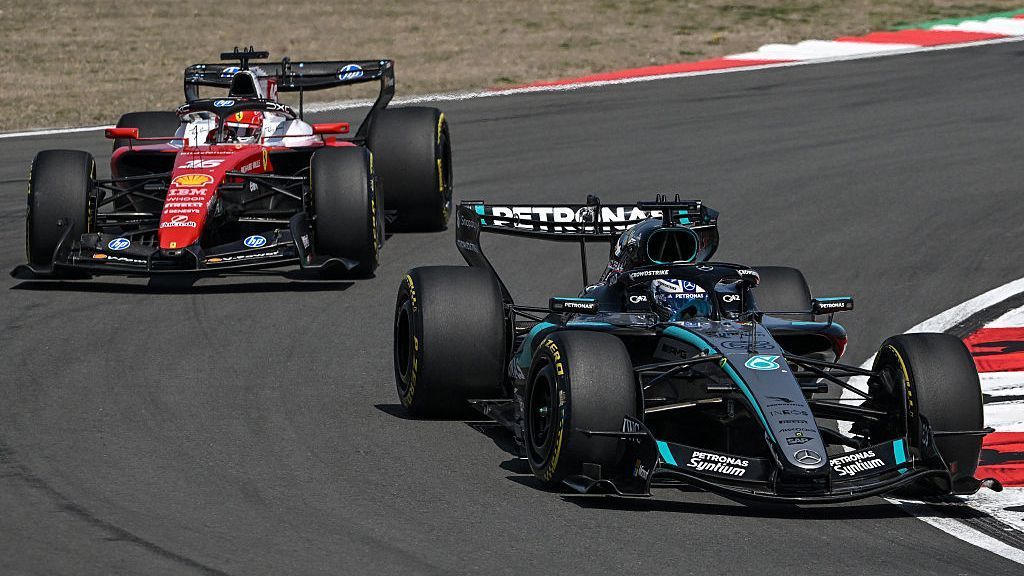
As the laps dwindled, Leclerc pressed Norris fiercely, culminating in his second pit on lap 39, right as McLaren was weighing their next options. The entire strategy hinged on Piastri’s endurance and tire management, illustrating the strength of McLaren's collaborative effort to optimize their drivers’ chances against an aggressive Red Bull.
By the race’s end, Norris consistently maintained his position, and as predicted, Verstappen claimed the victory. Nevertheless, McLaren’s split strategy showcased a shift in their competitive capabilities, exemplifying their resilience and forward-thinking approach. This race not only put them back in the championship conversation but also displayed the effectiveness of tactical innovation in Formula 1 racing.