
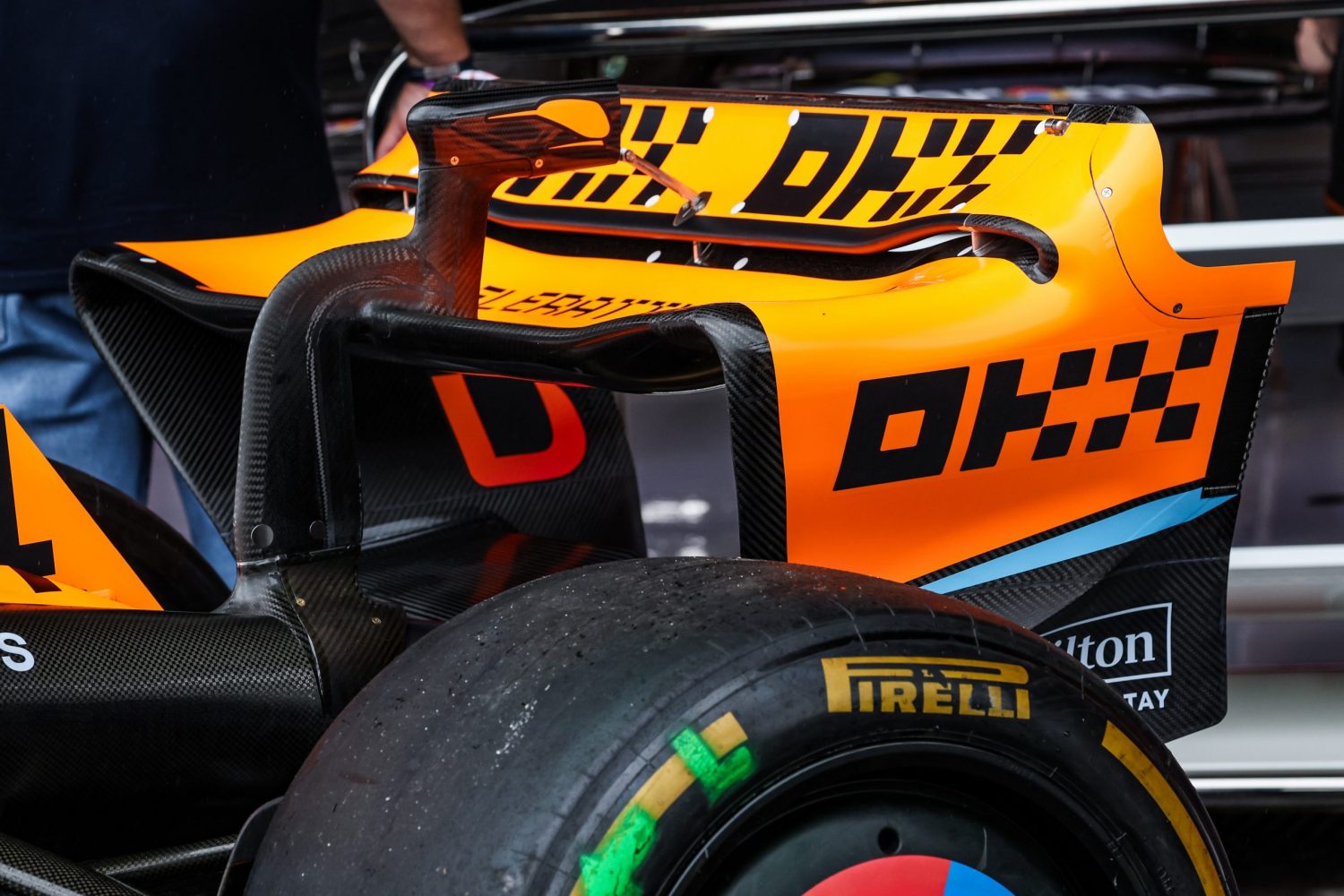
In a move that highlights the ongoing evolution of aerodynamic strategies in Formula 1, McLaren is drawing from the successful designs of Red Bull for its latest rear wing updates on the MCL60. Team principal Andrea Stella has emphasized that these enhancements are part of a multi-stage development program initiated in Hungary, with significant changes recently showcased at the Spa-Francorchamps circuit.
"Red Bull has done a very good job of having a car that is low drag independent of the rear wing," said Stella, providing insight into how the team is analyzing its competition. He further explained the specifics of the changes implemented: "The changes included a modified beam wing, endplates, and different trims to the trailing edge of the rear wing flap element, all of which helped reduce aerodynamic drag and load."
This development is particularly aimed at improving the Drag Reduction System (DRS) effectiveness by expanding the rear wing surface, creating a substantial advantage upon activation. The strategic approach is designed to offset potential aerodynamic drag through these modified elements, aligning with the team's goals for the season's second half.
"The underlying level of drag is more, it has to do with the overall configuration of the car," Stella noted at Spa, underscoring the challenges they face. As the team continues to refine its performance, enhancing the rear wing remains a principal objective. "If I take our case specifically - like in Spa - the main opportunity is to keep working on the rear wing. This is something that was on our to-do list, but kind of we are not there yet."
The competitive landscape of F1 sees teams constantly adapting to gain an edge, and Stella believes that Red Bull's consistent success is no accident. "They seem to have pursued this concept for some time. I think they may be taking some advantage from having had a lot of experience in developing this kind of configuration. This has now become apparent over time," he stated, recognizing the years of research and results that bolster Red Bull's performance.
Stella's assertion not only points to Red Bull's current dominance but also underscores a broader trend in Formula 1 where teams seek inspiration from their rivals to fuel their development. As they forge ahead, Stella acknowledged, "All teams now will try and see what is possible to exploit by developing in this kind of direction."
As McLaren navigates this phase of development, the team is poised to incorporate lessons learned from leading competitors like Red Bull. The outcome of these aerodynamic updates will be critical as McLaren looks to enhance its competitive stance on the grid, particularly as the season unfolds. Advances in technology and design strategy will be key to overcoming the challenges they face in a field where performance margins are razor-thin.
Stella's insights remind us that the quest for improvement in F1 is relentless and often requires teams to look beyond their own methodologies. As they prepare for upcoming races, McLaren's ability to adapt and evolve will be crucial in their pursuit of greater success.