In the high-speed world of Formula 1, tire management is fundamental to achieving victory. Teams strategically optimize their use of tires, balancing performance with durability through data-driven decisions.
"Data is crucial for us, as it informs every aspect of our race strategy, particularly tire usage and pit timings," said an F1 team strategist. Real-time tire data helps squads calculate the best moments to pit, making every decision vital for race outcomes.
The sport relies heavily on various tire strategies. Teams grapple with the choice between one-stop and two-stop tactics, often adjusting their driving styles to prolong tire life. "You have to be smart about tire management; it can mean the difference between crossing the finish line first or not at all," said a seasoned driver.
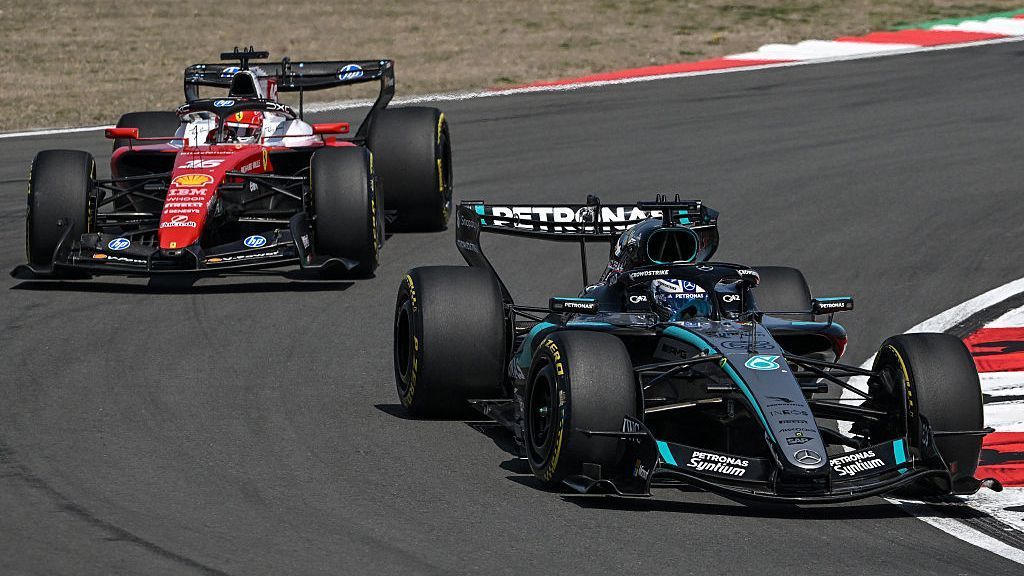
-competes-with-Ferraris-Monegasque-driver-Charles-Leclerc.jpeg?trim=0,0,0,0&width=1200&height=800&crop=1200:800)
Pirelli, the official tire supplier, presents teams with six compounds ranging from C1 to C6 for dry conditions and two types for wet weather—Intermediate (Green) and Wet (Blue) tires. "We choose our compounds based on numerous factors including temperature, track conditions, and previous races," explained Mario Isola from Pirelli, emphasizing the role of data in selecting tires that can provide the most strategic advantage.
Understanding the tire classifications is crucial for a successful race weekend. The hard tires, known for longevity, are best suited for abrasive surfaces, while the soft tires are engineered for maximum grip and speed during crucial moments like qualifying. For example, during a typical race weekend, drivers receive 13 sets of dry-weather tires, allowing for flexible strategy planning based on their performance needs.
"Safety is our paramount concern, followed by ensuring the best racing possible," Isola continued. This careful selection process assists teams in making informed decisions, as they are required to utilize at least two different types of tires during the race, intensifying the strategic element.
Adverse weather conditions introduce another layer of complexity. When rain threatens, teams turn to specialized tires like the Cinturato Green and Cinturato Blue to navigate tricky wet conditions while minimizing risks associated with aquaplaning. With four sets of intermediates and three of wets allocated per driver for each race weekend, teams can quickly adapt to changing circumstances.
Effective tire management encompasses more than just tire selection; it involves intricate tactics surrounding pit stop strategies. Teams must choose between a one-stop and two-stop approach, typically influenced by tire wear rates and track conditions. For instance, a one-stop strategy may help maintain positions but poses the risk of heavy wear, complicating execution. "A one-stop strategy can save pit stop time but requires perfect tire management throughout the race," noted a former race engineer.
Conversely, a two-stop strategy offers flexibility and potential for faster laps, even though it adds to overall pit stop time. Each pit stop can consume valuable seconds, with optimal timing being crucial. The tension escalates as teams analyze whether an early or late pit is advantageous.
"The undercut can be a powerful tool if executed well; it’s about timing your pit stop to gain an advantage over competitors," explained a renowned team principal. The undercut often positions a driver favorably against opponents who might await tire changes. This was evident in the 2019 Singapore Grand Prix when Sebastian Vettel utilized the undercut to leapfrog both Charles Leclerc and Lewis Hamilton, showcasing the impact of precise tire strategy.
On the other hand, the overcut strategy entails staying out longer on the current tires while opponents pit, which can help maintain track position. However, it demands a careful balance of tire durability and race pace.

As Formula 1 races evolve, teams continuously innovate their tire management strategies, utilizing data analytics and past performance to inform their future decisions. With the high stakes of competition, mastering tire management remains an indispensable skill that teams must cultivate to secure victory on the circuit. The interplay of tires, strategy, and racing skill not only defines individual races but also shapes the broader championship narratives as the season unfolds.