In the high-octane world of Formula 1, fans often attribute a car's performance to its driver, horsepower, or aerodynamic design. Yet, the subtleties of race strategy—particularly undercuts and overcuts—often wield more influence over the final standings than mere speed. "It doesn’t matter how fast your car is if a bad pitstop strategy puts you at the back of the field," said one seasoned analyst, highlighting the significance of strategic planning in motorsports.
As the sport has evolved over the decades, the effectiveness of race strategy has surged. With advancements in technology and a narrowing performance gap among vehicles, teams are increasingly relying on smart strategic decisions to gain a competitive edge. A well-timed pit stop can be the difference between victory and defeat.
Historically, race strategies were influenced heavily by the regulations governing fuel usage. Up until 2010, when refuelling was allowed, teams faced a dilemma regarding when to pit based on varying car weights. "The lap time difference between a near-empty car and a heavy, refuelled car was around 1.5 seconds," explained a veteran team strategist. This often shifted the focus to fuel management as the primary factor in crafting an optimum racing strategy.
-competes-with-Ferraris-Monegasque-driver-Charles-Leclerc.jpeg?trim=0,0,0,0&width=1200&height=800&crop=1200:800)
The ban on refuelling transformed the importance of tyres in race strategy. Teams began to emphasize the management of tyre degradation to explore both undercut and overcut scenarios as means to outmaneuver their rivals. According to a former race engineer, "With lines blurring on performance, an optimal pit strategy became crucial in determining race outcomes."
To fully grasp the significance of undercuts and overcuts, understanding tyre performance is essential. Formula 1 tyres are subject to various factors, including temperature fluctuations and wear, which can drastically influence lap times. "There are essentially three main stages of tyre performance: warm-up, stabilisation, and degradation," said a technical analyst. Each compound—Soft, Medium, and Hard—brings different strengths and weaknesses across these stages.
The Soft compound, for instance, delivers rapid lap times due to its quick warm-up capability, but its performance can diminish significantly as wear sets in. Contrarily, the Hard compound may start slower but provides lasting performance over an extended stint, highlighting a strategic trade-off during races.
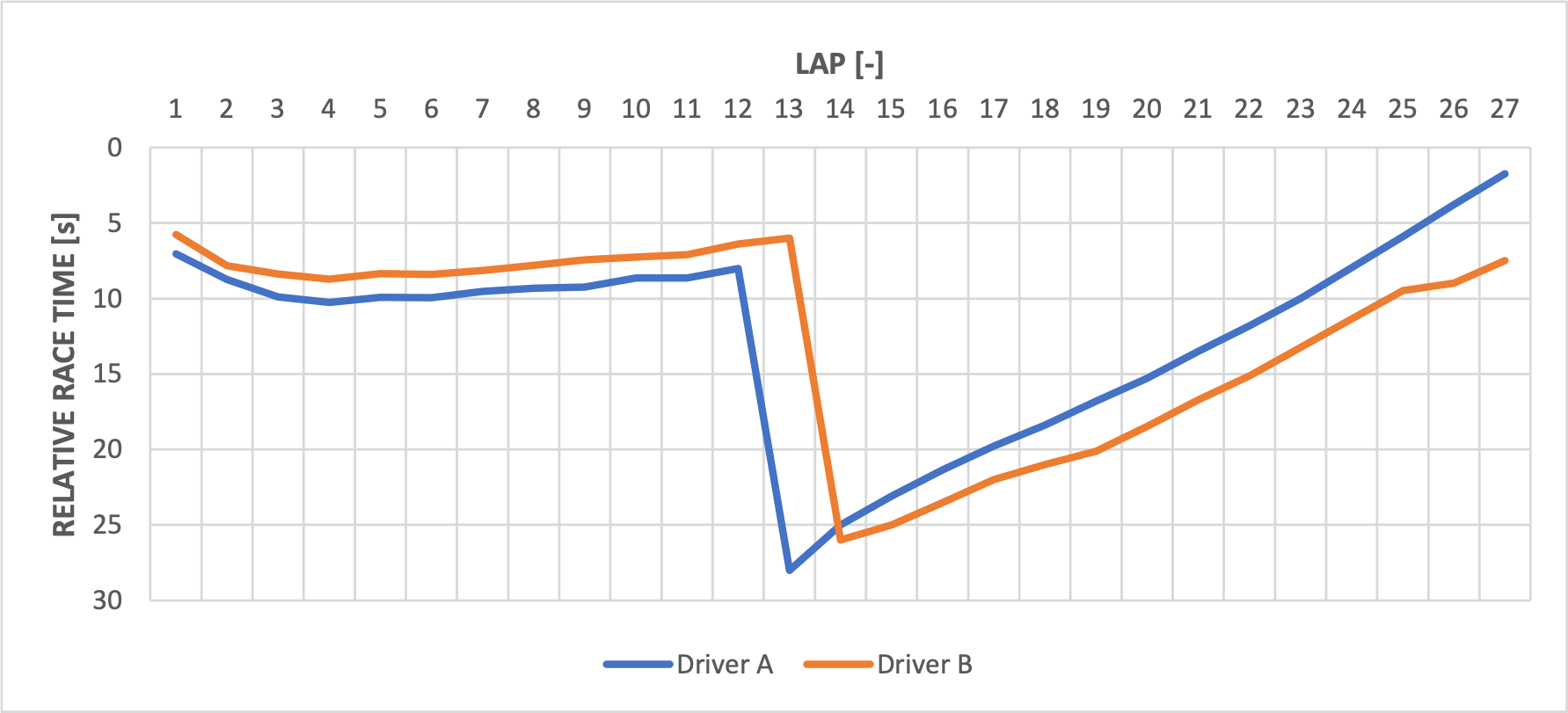
An undercut, in simple terms, is when a driver opts to pit earlier than a competitor to assume an advantage from fresher tyres. The effectiveness of this strategy hinges on a sequence: the in-lap, the actual pit stop, and the out-lap. "In an undercut scenario, Driver A pits first and loses time in the pits, but returns to the track on fresher tyres," detailed a race strategist. Driver A then sets faster lap times than Driver B, who remains on older, worn tyres, ultimately allowing Driver A to overtake once Driver B pits.
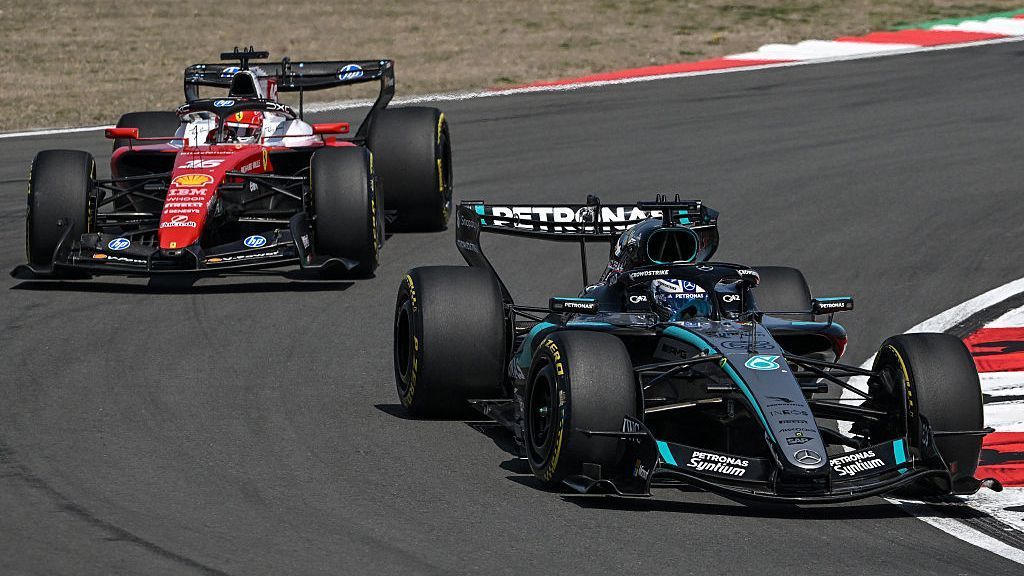
Moreover, circuits with high tyre wear or thermal degradation amplify the potential success of the undercut. "If the timing is executed perfectly, the undercut can be a game-changer, allowing drivers to leapfrog rivals by capitalizing on fresh rubber’s grip," explained a team manager.
Conversely, the overcut strategy involves delaying a pit stop to maximize the performance of existing tyres while hoping rivals suffer with theirs. "The overcut can catch teams out who fall victim to degradation faster, leading to surprising gains in track position," noted a race analyst. This strategy requires keen awareness of competitors’ pitting habits and tire performance.
In modern Formula 1 racing, the interplay between tire strategy, timing, and driver skill is navigated with precision. As drivers and teams continue to hone their practices, understanding the nuances of pitting strategies such as undercuts and overcuts will remain essential elements in the quest for championship glory.
Looking ahead, with the pace of technological advancement in the sport, it is clear that effective race strategy—particularly through the judicious use of undercuts and overcuts—will continue to shape the future landscape of Formula 1 racing. Teams that master these strategies may very well find themselves on the podium more often than not.