The Las Vegas Grand Prix is set to be a thrilling spectacle, highlighted by the surprising grid positions of key drivers. George Russell has achieved his third pole position of the season, while championship contenders Max Verstappen and Lando Norris find themselves sharing the third row in fifth and sixth places, respectively. Given the unpredictable nature of the track, which is known for its excitement and potential for unexpected twists, the strategic approach teams take will be crucial for success.
"Let us not, however, get too excited about grid position," said a team strategist. This sentiment captures the essence of racing at such a dynamic venue, where overtaking opportunities abound, yet the risk of mistakes looms larger than ever. Teams must exercise caution; this race is not simply about starting strong but strategically navigating the track’s challenges.
Pirelli, the official tire supplier for Formula 1, has focused on delineating the best options for teams as they prepare to race in Las Vegas. The complexity of the track demands a well-thought-out tire strategy that can accommodate its peculiar demands. Strategies will likely revolve around balancing tire performance with the need for endurance, as teams weigh the benefits of both speed and durability.
-competes-with-Ferraris-Monegasque-driver-Charles-Leclerc.jpeg?trim=0,0,0,0&width=1200&height=800&crop=1200:800)
With Russell leading the pack, the challenge will be for him to maintain his position without succumbing to the pressure from behind. "The right strategy is going to be vital," a noted analyst remarked, emphasizing the importance of decision-making in the heat of competition. The intricate dance of tire degradation and fuel management will dictate how each driver approaches their stints.
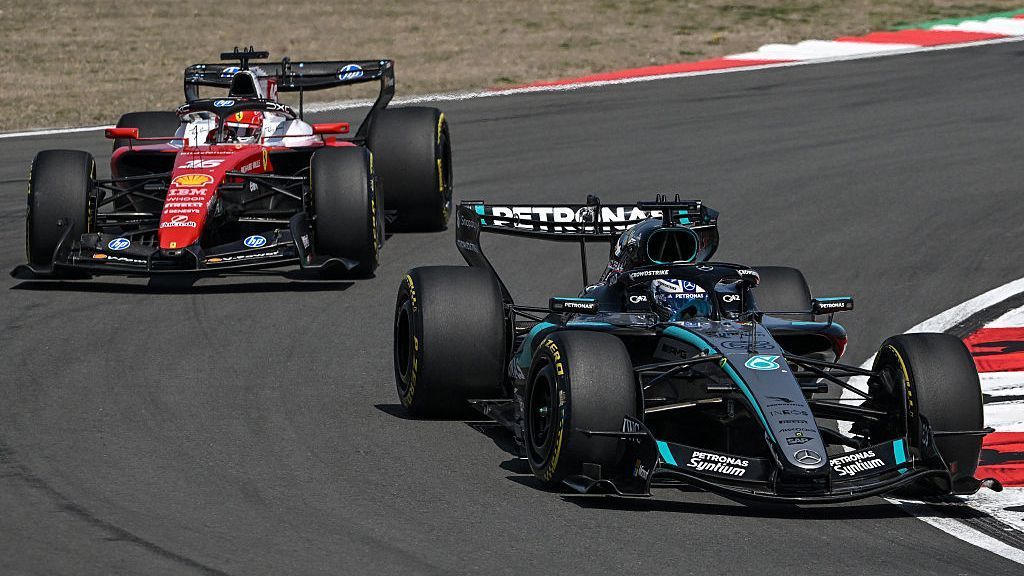
Furthermore, the grid positions of Ferrari and Pierre Gasly, who has secured an impressive third position for Alpine, add more layers to the strategy conversation. Ferrari's strategy will need to cater not only to their drivers’ strengths but also the unique characteristics of the Las Vegas circuit. As these teams forge their path, communication and split-second decisions could mean the difference between a podium finish and a disappointing end.
As the race weekend progresses, teams will gather valuable data during practice runs, allowing for the fine-tuning of their strategies ahead of the main event. "We need to be adaptive in our approach and ready to respond to changes during the race," said a racing engineer, highlighting the need for flexibility as conditions and performance insights evolve.
As Pirelli’s tire strategy guide indicates, capturing the fine balance between aggression and conservatism will be critical. The ongoing dynamics, particularly among the leading drivers, will serve as the nexus for race strategy. Fans can expect a captivating showdown as teams navigate both overtaking opportunities and the inherent risks of pushing too hard too fast.
With the stakes higher than ever, the Las Vegas Grand Prix promises to be a strategic masterpiece, blending high-octane racing with intricate planning and decision-making. As drivers and teams prepare to hit the track, all eyes will be on how their strategies unfold in pursuit of victory.