As the Las Vegas Grand Prix unfolded, the spotlight was firmly set on the critical decisions drivers and teams had to make regarding tyre strategies. This thrilling event took place at the iconic Las Vegas Strip, captivating fans with both the spectacle and the strategic nuances of racing.
The choice of tyres can often be the decisive factor in a race, and the drivers on track were acutely aware of how their selections could impact their performance. "Every compound reacts differently depending on the track conditions and temperature," noted Max Verstappen, reigning world champion. His remark highlights the challenges drivers face in adapting their strategies to the dynamic nature of the race environment.
Tyres in Formula 1 are classified as soft, medium, and hard, each with its own characteristics molded for various situations. The teams gathered on the grid, ready to experiment with their choices. "We prepared multiple strategies to ensure we could adapt as the race progressed," explained Lewis Hamilton, a seasoned veteran of the sport.
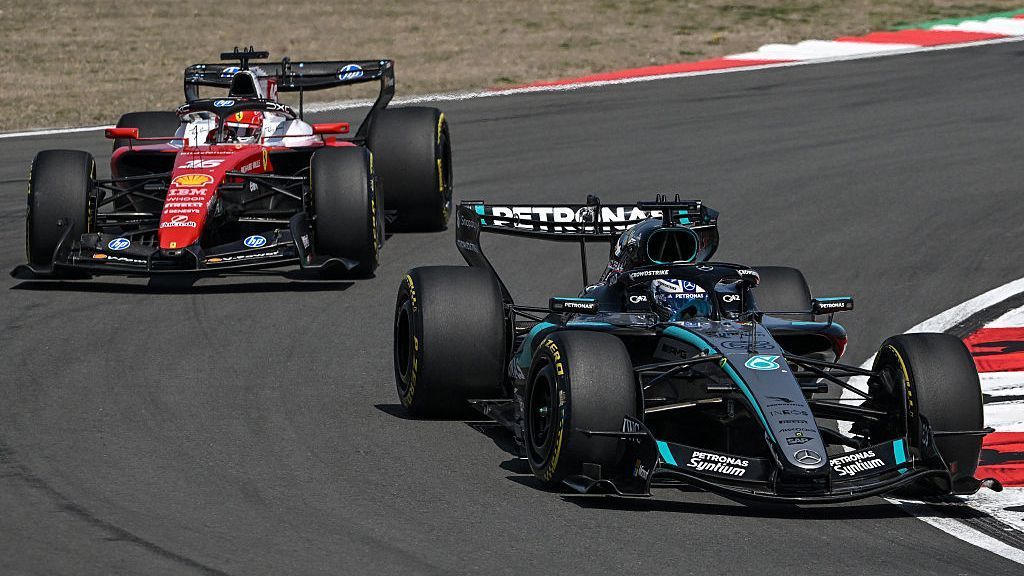
-competes-with-Ferraris-Monegasque-driver-Charles-Leclerc.jpeg?trim=0,0,0,0&width=1200&height=800&crop=1200:800)
As the race commenced, the fluctuating weather and track conditions played a pivotal role. Drivers not only had to navigate opponents but also make quick judgments on when to pit based on tyre degradation. "You need to be flexible in your approach during the race, as things can change in an instant," commented Sergio Perez, Verstappen's teammate, who has often faced similar situations in previous competitions.
The excitement built significantly as teams observed how competitors performed with different tyres. "Understanding our rivals’ strategy can give us an edge, so we are constantly analyzing the data during the race," said Fernando Alonso, emphasizing the constant battle between intuition and calculated decision-making in Formula 1.
The extensive planning that occurs before the race often needs adjustment once the track action begins. Some teams chose early pit stops, hoping to gain advantageous track positions as others battled tyre wear. "We decided to go for an aggressive strategy to take advantage of the fresh set of tyres," remarked Carlos Sainz, underlining his team's approach to capitalize on the race's developments.
Pit stops became a focal point. Teams needed to execute them flawlessly to maintain or gain positions. “A perfect pit stop can alter the course of our race significantly,” said George Russell, reflecting on the crucial role of teamwork and precision during these high-pressure moments.
As the race unfolded, the varying tyre strategies contributed to an unpredictable atmosphere, underscoring the delicate balance between speed and longevity. The drivers had to gauge their limits carefully. "Pushing too hard on the softer compound can lead to disaster if they wear out before expected," cautioned Charles Leclerc, demonstrating awareness of the trade-offs inherent in tyre choices.
The fans in attendance witnessed nail-biting action as drivers navigated both their opponents and the challenges presented by their chosen tyres. Ultimately, the race became a testament to the importance of strategy in Formula 1 racing. "When everything works out, the satisfaction is immense," exclaimed Lando Norris, capturing the essence of triumph in the arena of motorsport.
This year's Las Vegas Grand Prix highlighted not only the thrill of racing but also the strategic elements that dictate outcomes in Formula 1. As teams analyze the data and reflect on the day’s lessons, they prepare for future events, eager to refine their approaches and improve their standings. "In F1, learning is continuous, and every race gives you something new to work with," concluded team principal Christian Horner, summarizing the relentless pursuit of excellence in the sport.
As we look to upcoming races, the insights drawn from Las Vegas will undoubtedly influence strategies across the grid. Teams will refine their approaches, balancing risk and reward, as they head into a competitive season ahead. The next challenges await, promising more twists and turns in the ever-exciting world of Formula 1.