
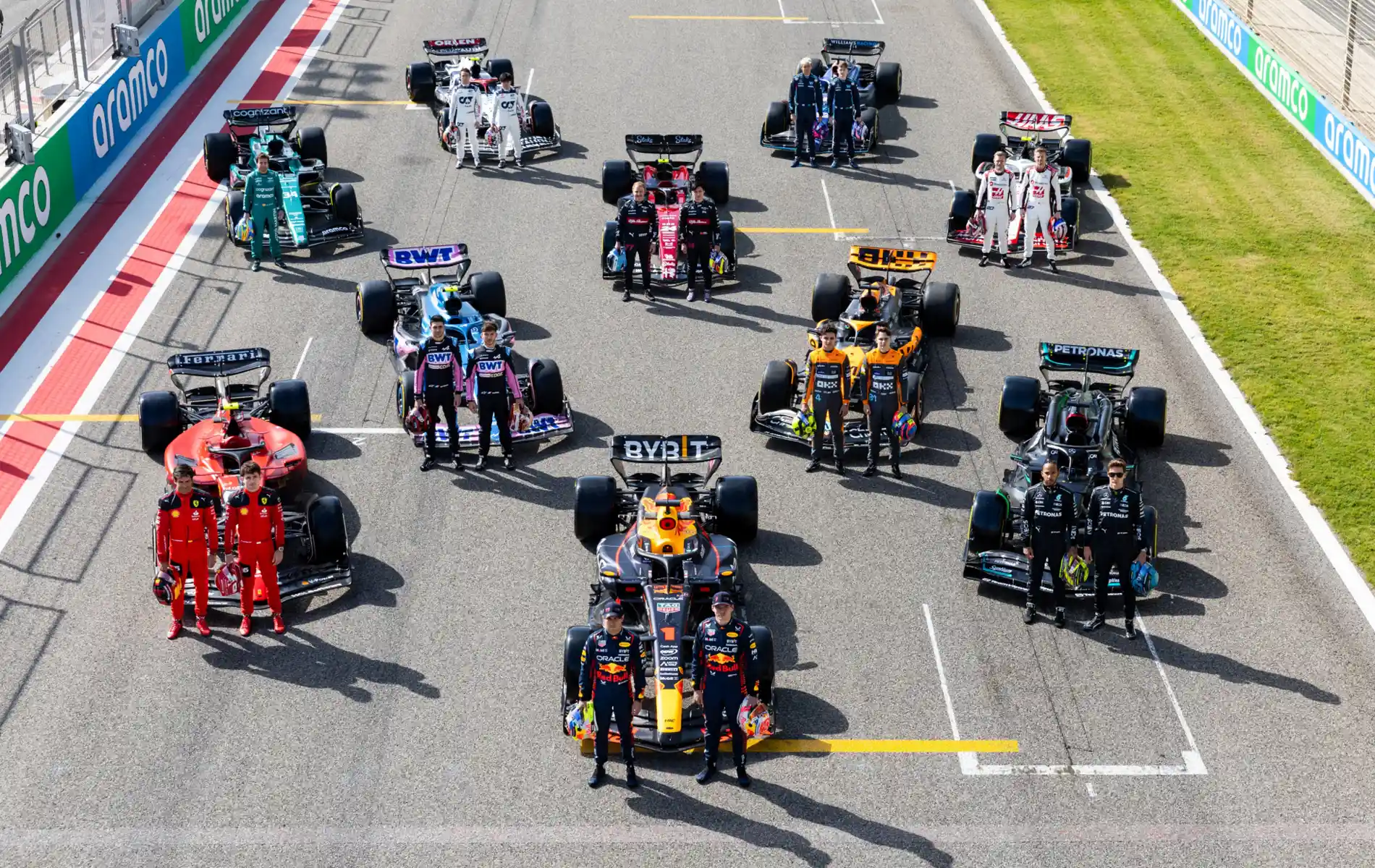
As the highly anticipated 2024 Formula 1 season approaches, teams and drivers are preparing to navigate through new regulatory changes aimed at refining the competition landscape. Notably, while the regulations remain largely stable compared to previous years, there are several key updates that participants must keep in mind.
"The goal of these updates is to maintain competitive integrity while also ensuring that teams are held accountable for their actions," said a representative from the FIA, reflecting the organization's commitment to enhancing the sport.
The first significant change involves the alteration of the appeal timeline for teams that wish to contest stewards' decisions. Previously, teams had two weeks, or 14 days, to submit an appeal. However, this period has now been slashed to just four days, or 96 hours. "This reduction aims to expedite the decision-making process, which is crucial for maintaining the momentum of the championship," shared FIA officials.
Teams now face an additional requirement: they must pay a deposit when filing an appeal, which will be determined by the governing body each year. This deposit is refundable only if the appeal is successful or deemed valid by the FIA, representing a shift designed to eliminate frivolous challenges. "We want teams to be succinct and clear about their arguments before any hearing takes place," explained an FIA spokesperson.
Another major update pertains to fines. The maximum penalty that can be imposed by stewards has increased dramatically from €250,000 to €1 million. "These updated figures reflect a need for stricter financial accountability within the sport, especially as we move towards more sustainable practices," remarked a strategic analyst familiar with the developments.
The adjustments also encompass tighter restrictions around power unit usage. For the previous season, teams were allowed to use up to four units of several components without penalties. However, in 2024, the rules revert to allowing only three units of internal combustion engines and related components throughout the season. "We expect this change will prompt teams to focus on reliability right from the start, rather than relying on backups mid-season," noted a team principal from one of the top constructors.
In addition, the roll hoops, which play a crucial role in vehicle safety, will now undergo more stringent load testing. "The latest modifications are about enhancing the overall safety of the sport while ensuring compliance with our rigorous standards," commented a safety engineer directly involved in the reformation process.
Among other updates, the role of telemetry in spectating has also been revised, allowing for more transparency in how teams deploy different strategies during a race. "We are keen to keep the fans engaged and informed, showcasing the intricate decisions made in real time," stated a marketing executive for the sport.
The redistribution of financial rewards is another point of focus. Based on performance metrics from the previous season, F1 is working to ensure that the distribution process drives competitive balance. "Financial equity among teams is vital, and these adjustments are an attempt to promote a more even playing field," indicated a racing analyst familiar with team dynamics.
As the teams gear up for the season opener, which kicks off in Bahrain in March, the hope is that the rules will cultivate an environment of heightened competition and prompt more strategic racing. "It's an exciting time for the sport, and these regulations are crafted to enhance the drama and intrigue that F1 fans cherish," said a renowned commentator.
Overall, the 2024 Formula 1 season promises to tread a careful line between tradition and innovation. Stakeholders across the board are keenly aware that each regulatory change has the potential to reshape fan engagement and the competitive nature of the sport itself. With these updates in mind, teams will need to adapt quickly to maintain their edge on the track, setting the stage for another thrilling year in motorsport history.