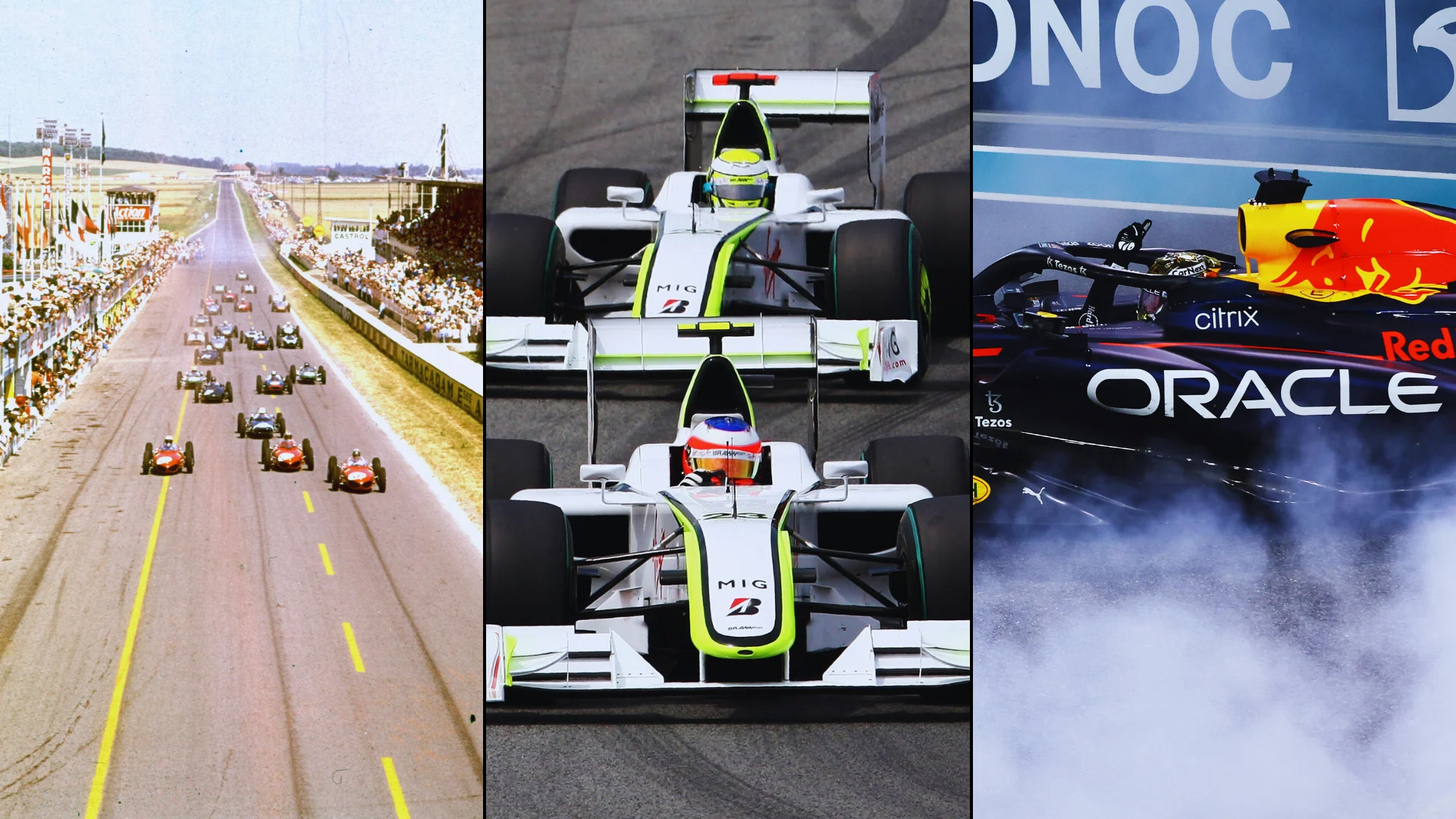
Formula 1 is on the brink of a new era in 2026, introducing revamped cars and power units that will reshape the racing landscape. However, it's essential to reflect on the substantial regulation changes of the past and the teams that excelled amid these shifts. This overview illuminates how historical changes have impacted the sport and the frontrunners who capitalized on them.
In 1961, Formula 1 underwent a critical transformation with a new engine formula that slashed the maximum engine capacity from 2.5 liters to 1.5 liters. Additionally, a minimum car weight of 450 kg was established. "Ferrari were the best prepared for the new regulations, given the British teams that had dominated previously felt, wrongly, that their influence would lead to the rule changes being dropped," noted Edd Straw, emphasizing the miscalculations of rivals who failed to adapt timely. Ferrari, armed with their 1.5-liter V6 Formula 2 engine modified for F1 and the aerodynamic Sharknose 256 chassis, exhibited sheer dominance throughout the season, clinching five out of seven World Championship races. Phil Hill ultimately triumphed, securing the title following the heartbreaking loss of teammate Wolfgang von Trips in a crash at Monza.
Fast forward to 1983, the sport experienced another major regulation shift with the banning of ground-effect designs, which had been pioneered by Lotus. Colin Chapman’s innovative Lotus 78 harnessed underbody aerodynamics to gain speed, altering the racing scene drastically. However, amid increasing safety concerns and faster cornering speeds, the FIA mandated flat-bottomed cars from the 1983 season onwards. With a late rule confirmation in November 1982, teams had little time to adapt. Yet, Brabham responded decisively, creating the turbocharged BMW-powered BT52 in just six weeks. This car stunned the world by winning its debut race at the Brazilian Grand Prix, with driver Nelson Piquet eventually securing the Drivers' Championship by a narrow two-point margin over Alain Prost, further supported by critical mid-season upgrades.
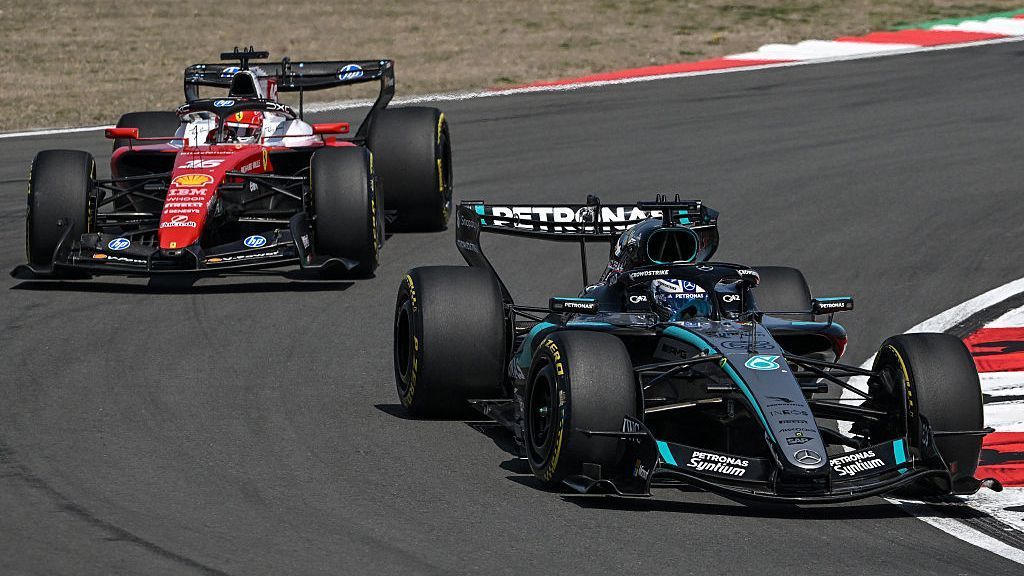
-competes-with-Ferraris-Monegasque-driver-Charles-Leclerc.jpeg?trim=0,0,0,0&width=1200&height=800&crop=1200:800)
The 1989 season marked the end of an era as turbo engines faced prohibition following years of growth. Renault led the charge in turbo technology, introducing the first turbocharged car in 1977. However, escalating safety concerns regarding the power levels they produced prompted the FIA to impose restrictions, culminating in a complete ban of these powerful engines. "Not that it stopped McLaren and engine partners Honda, who followed up an almost perfect 1988 season with another commanding display in 1989,” explained analysts of that era. McLaren defended both their Teams’ and Drivers’ Championships with Alain Prost emerging victorious over his teammate Ayrton Senna.
The 1994 season signaled a significant turning point in driver assistance technology, leading to the banning of electronic driver aids. The early 1990s had seen a high-tech revolution in F1, with Williams’ FW15C exemplifying this trend. The car featured sophisticated electronic systems that not only enhanced performance but also made it a dominant force on the track. However, by 1994, the FIA aimed to improve safety and ensure a level playing field, consequently prohibiting these advancements. This shift demanded a new era of strategy and skill, aligning driver capabilities more closely with vehicle performance.
These historical regulation changes illustrate the dynamic nature of Formula 1 and how these adjustments have shaped the competitive landscape. Teams that have successfully adopted and thrived under new rules, such as Ferrari in the 1960s and McLaren in the 1980s, have established themselves as icons of adaptive excellence. As we peer into the future with the upcoming 2026 regulations, teams will certainly need to demonstrate similar resilience and ingenuity to maintain their competitive edge. The ability to navigate regulatory changes has repeatedly proven to be a hallmark of success in Formula 1, making the sport a thrilling spectacle of strategy and innovation.