The anticipation for the 2025 Formula 1 season is paired with notable regulation changes that will impact the teams and drivers. With a mix of sporting and technical updates, teams will need to adapt quickly as the new rules come into play. Among the most prominent revisions are adjustments to scoring and component usage that could reshape strategies on the track.
One of the most talked-about changes is the elimination of the fastest lap bonus point. This regulation was voted on before the end of the previous season but takes effect starting with the Australian Grand Prix. Now, a driver will no longer receive an extra point for recording the fastest lap, irrespective of their finishing position.
This rule has seen a controversial history, having been originally introduced in 1950, removed from 1959 to 2019, and then reinstated. The decision to remove it again stems primarily from an incident during the 2024 Singapore Grand Prix, where Daniel Ricciardo, racing for VCARB, claimed the fastest lap by making a late pit stop. Ricciardo explained, “I did so with Red Bull in mind,” given the tense competition between his teammate Max Verstappen and McLaren’s Lando Norris.
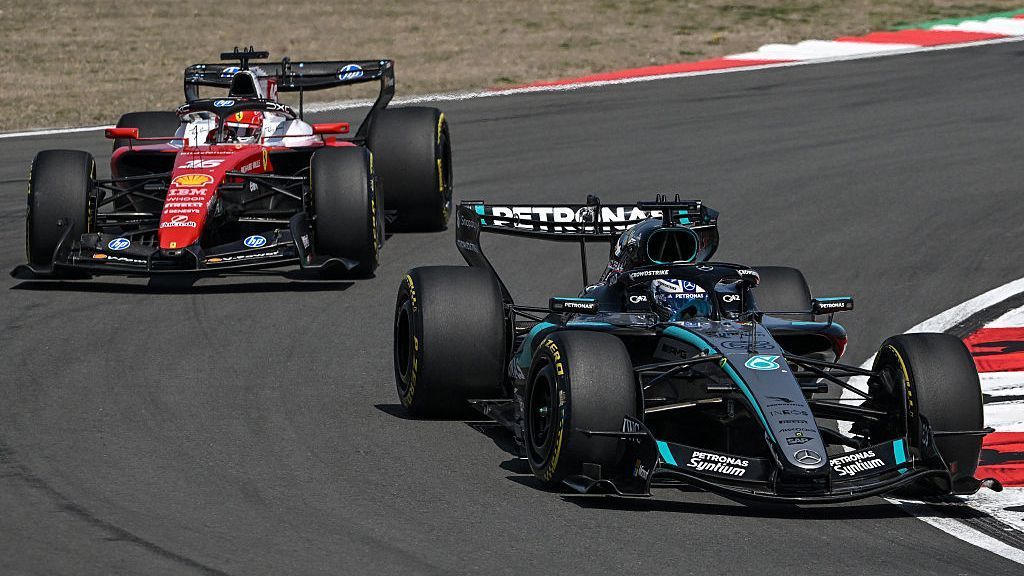
-competes-with-Ferraris-Monegasque-driver-Charles-Leclerc.jpeg?trim=0,0,0,0&width=1200&height=800&crop=1200:800)
Critics of the bonus point included McLaren CEO Zak Brown, who remarked, “It’s a nice A/B-team sporting thing that I didn’t think was allowed.” Although the drivers’ championship did not hinge on that solitary point during the 2024 season, many drivers felt the rule did not fulfill its intended purpose.
Carlos Sainz commented on the inefficacy of the regulation: “Right now, that point goes to the one that has a free pit stop one lap to the end of the race. It’s not showing who is the fastest guy in the race, and he deserves one point for being the fastest.” He emphasized that drivers often gain the point due to fortunate race circumstances rather than outright performance. The question remains whether missing out on what could amount to 24 bonus points over a season will impact a tightly contested championship.
The World Motorsport Council (WMSC) has also made adjustments regarding the usage of gearbox components. Previously, teams faced strict limitations on the number of gearbox components they could utilize over a season, alongside potential penalties for exceeding this limit. However, Article 29 has now been completely removed from the Sporting Regulations, lifting these restrictions. This may lead to more strategic possibilities with gearbox management without the fear of incurring penalties for excessive usage.
As teams gear up for the upcoming season, these regulation changes promise to shift team strategies, race dynamics, and ultimately, the competition landscape in Formula 1. As F1 leaders and teams prepare for the track, the broader implications of these adjustments are likely to fuel discussions and speculations across the motorsport community.
In summary, the 2025 Formula 1 season is set to begin with significant regulatory updates that will require teams to rethink their strategies. The elimination of the fastest lap bonus point and relaxed gearbox restrictions will be key areas of focus, potentially altering the competitive balance and how drivers approach races. The implementation of these changes will become clearer as the season progresses and teams adapt to the evolving landscape of Formula 1 racing.