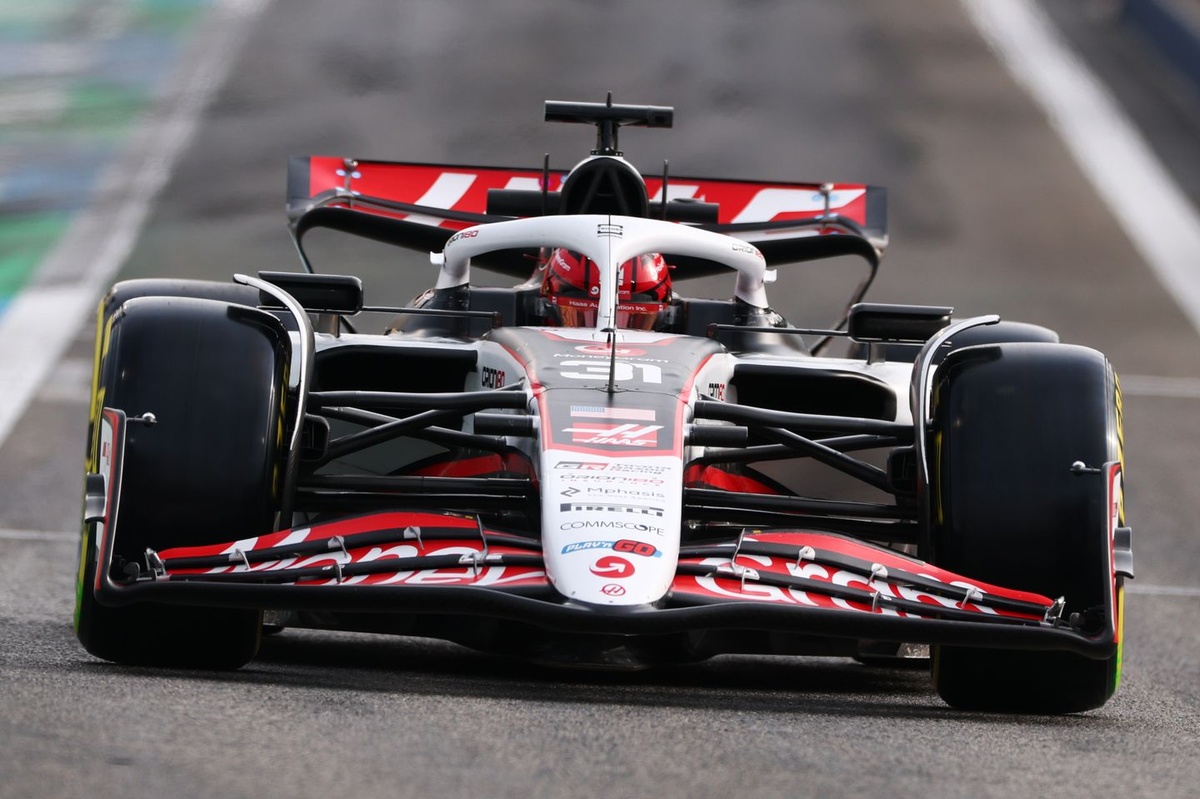
The upcoming Formula 1 season in 2025 marks the end of the current regulations cycle, and while many expect drastic changes when the new rules arrive in 2026, the 2025 regulations also feature important updates that teams must grasp ahead of the season.
The season is set to kick off in Australia at Albert Park, where drivers and teams will unveil their latest innovations. Although the 2026 season promises the most significant overhaul of the technical rules in a long time, the 2025 regulations are crucial for teams aiming to finish strong in the last year of the existing structure.
One of the most notable adjustments was made for the 2023 season, when the floor height was reduced by 15mm, and the diffuser 'throat' was raised by 10mm. This caused quite a stir in the paddock, as it was a direct response to the porpoising issues that plagued many teams during the previous season. "These changes were essential in ensuring a safer and more competitive environment for drivers," said a senior F1 official.
-competes-with-Ferraris-Monegasque-driver-Charles-Leclerc.jpeg?trim=0,0,0,0&width=1200&height=800&crop=1200:800)
Looking forward, teams must continue developing their cars under the current rules while strategizing for the changes that will come in 2026. The 2025 season serves as a critical period for teams to refine their machines, squeezing out the performance that will be essential for the next rule cycle.
In the context of these adjustments, several team principals have weighed in. “We’re focused on maximizing our performance this year, as it will set the stage for what’s to come,” stated a team representative. They emphasized the importance of adapting to regulatory changes while also preparing for the significant shifts on the horizon.
Another critical aspect of the 2025 regulations involves engine manufacturers. As part of the transition, modifications to the compression ratio checks have been greenlit by F1 engine makers and the FIA. "We are committed to maintaining fairness and competitiveness within the framework of the sport," shared an engine manufacturer executive. This change reflects an ongoing effort to maintain equilibrium in performance while enhancing safety and environmental standards.
As the sport gears up for a pivotal year, the stakes are high for teams eager to capitalize on the final year of the current regulations. Both drivers and engineers recognize the importance of this season in terms of preparation and performance benchmarking ahead of the significant changes anticipated in 2026.
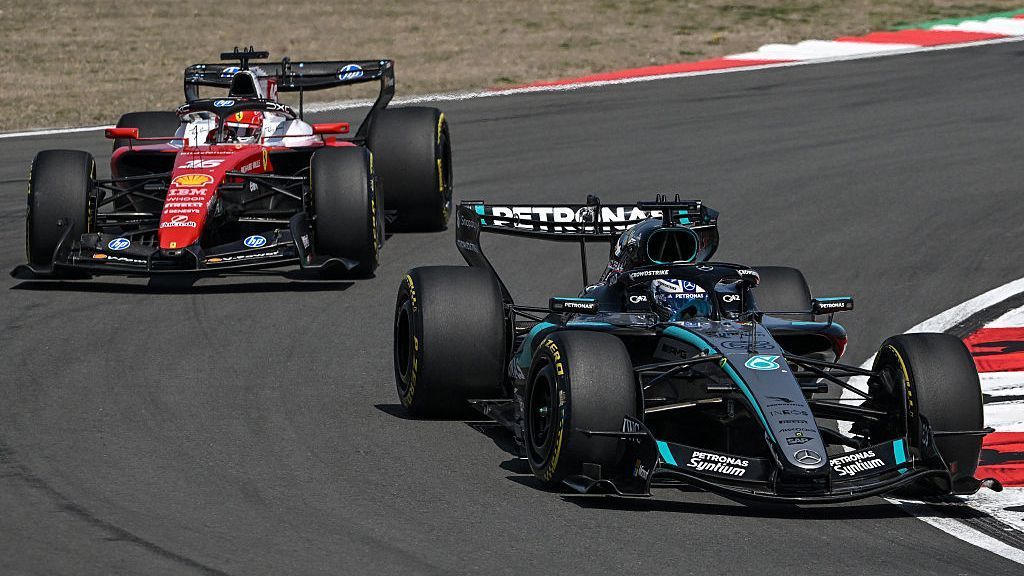
“This year represents a unique challenge, but we are ready to tackle it head-on,” said one driver, expressing optimism for the upcoming races. This sentiment echoes across the grid as competitors finalize their strategies, knowing that 2025 could be a defining year for many teams.
Looking ahead, the F1 landscape is on the cusp of transformation, ensuring that the anticipation for both the 2025 season and the upcoming 2026 regulations fosters an engaging competitive environment. As teams adapt to these rule changes, the stage is set for an exciting season filled with both legacy and innovation.