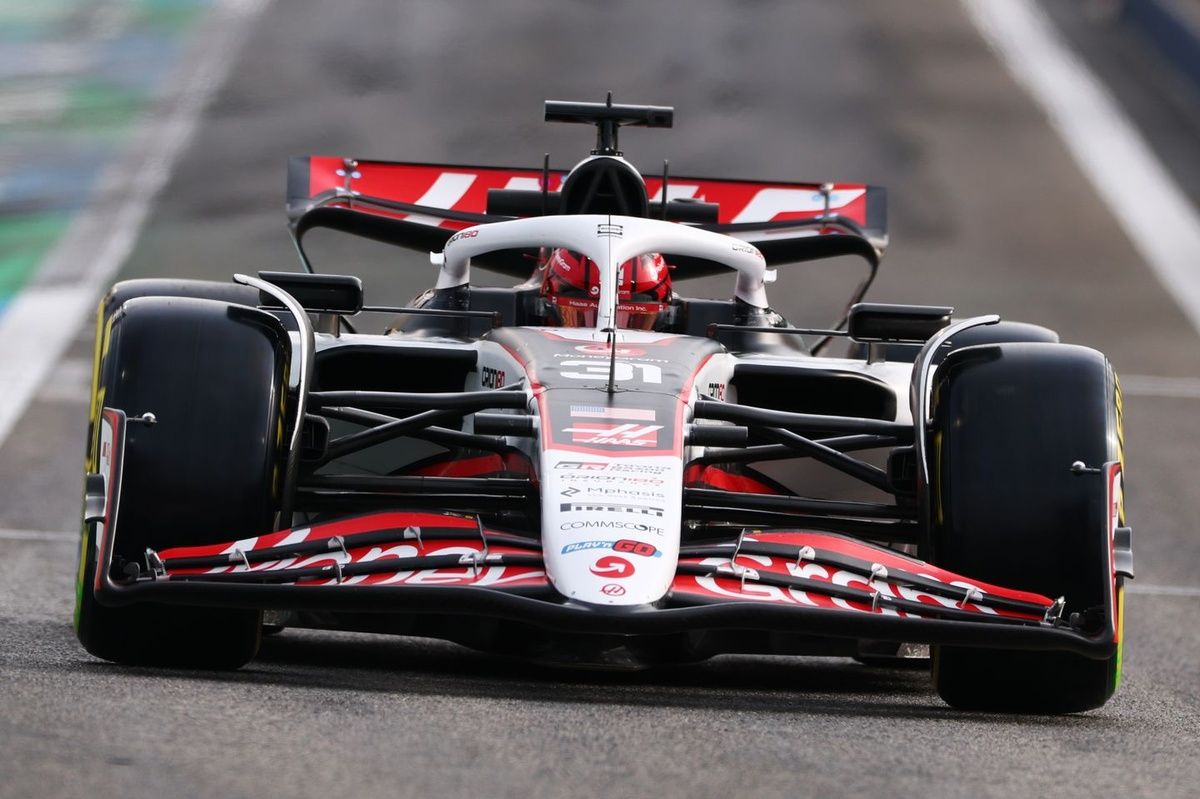
Formula 1 is gearing up for its 2025 season, which will launch at Albert Park in Australia. While the excitement surrounding this season is palpable, it's essential to highlight the changes in regulations that will impact teams and drivers once they hit the track.
"The 2025 season serves as a bridge to the major shifts we expect in 2026," remarked a member of the FIA. Teams have had to adapt to a relatively stable rule set since the introduction of the current generation of cars in 2022, but 2025 will see some key updates.
Among these updates, the FIA is refining its existing standards to further enhance safety and competitiveness. "We are focused on ensuring that the sport remains challenging and exciting, while prioritizing driver safety with these new regulations," said an FIA spokesperson.
-competes-with-Ferraris-Monegasque-driver-Charles-Leclerc.jpeg?trim=0,0,0,0&width=1200&height=800&crop=1200:800)
Notably, the current power unit configurations will continue, with an emphasis on optimizing efficiency. According to Red Bull's Team Principal, "The 2025 regulations will allow teams to fully maximize the potential of their existing engines, which is crucial ahead of the major overhaul that comes in 2026." This consistency is essential as teams prepare for a more significant shift in technical regulations next season.
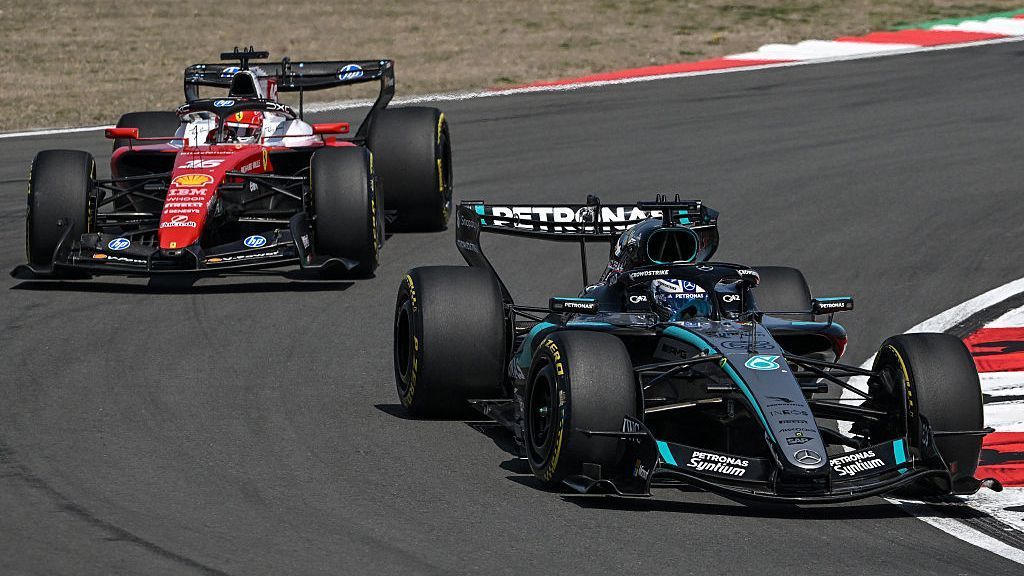
Furthermore, the FIA has hinted at adjustments to aerodynamics aimed at promoting closer racing. "Aerodynamic changes are necessary to increase overtaking opportunities, which is key to maintaining viewer engagement," said a senior FIA engineer. These modifications could alter the airflow dynamics around the cars, creating a more competitive environment on the track.
As the season opener approaches, several teams, including Ferrari and Mercedes, are expressing their anticipation for the new regulations. "We welcome the updates and look forward to seeing how our engineers can exploit them. It's part of the challenge that makes F1 exhilarating," said Lewis Hamilton, a veteran pilot in the sport.
The 2025 regulations also emphasize sustainability, building upon the ongoing commitment of F1 to be more eco-friendly. The FIA is keen on continuing the integration of biofuels and other sustainable practices within the sport. "Our goal is to lead by example in sustainability while still pushing the envelope of performance. 2025 is a stepping stone to a greener future for F1," stated a prominent FIA official.
Fans can expect these changes to dramatically reshape the experience of the 2025 Formula 1 season. Each regulation serves as a crucial element in maintaining the competitive spirit while ensuring the races are safe and enjoyable for everyone involved. As we look ahead, the anticipation surrounding the 2026 regulations will undoubtedly influence strategies and innovations within teams this season.
In summary, the forthcoming changes in the F1 2025 regulations reflect an ongoing evolution within the sport, balancing performance, safety, and sustainability. This year will set the tone for a major transformation expected next year, keeping teams on their toes as they adapt to the new landscape of competitive racing.