
As the 2018 Formula 1 season unfolds, fans and teams alike are abuzz with the introduction of key changes that promise to reshape the competitive landscape of the series. These adjustments are not merely cosmetic; they include regulatory updates and technical modifications that will impact racing dynamics and team strategies.
One of the most significant changes involves the introduction of new driver statistics and the revised points system, which aims to reward overall performance across the season. "It's all about fairness and pushing the limits," said Ross Brawn, Managing Director of Motorsports. The intention behind these revisions is to inject more excitement and unpredictability into the races.
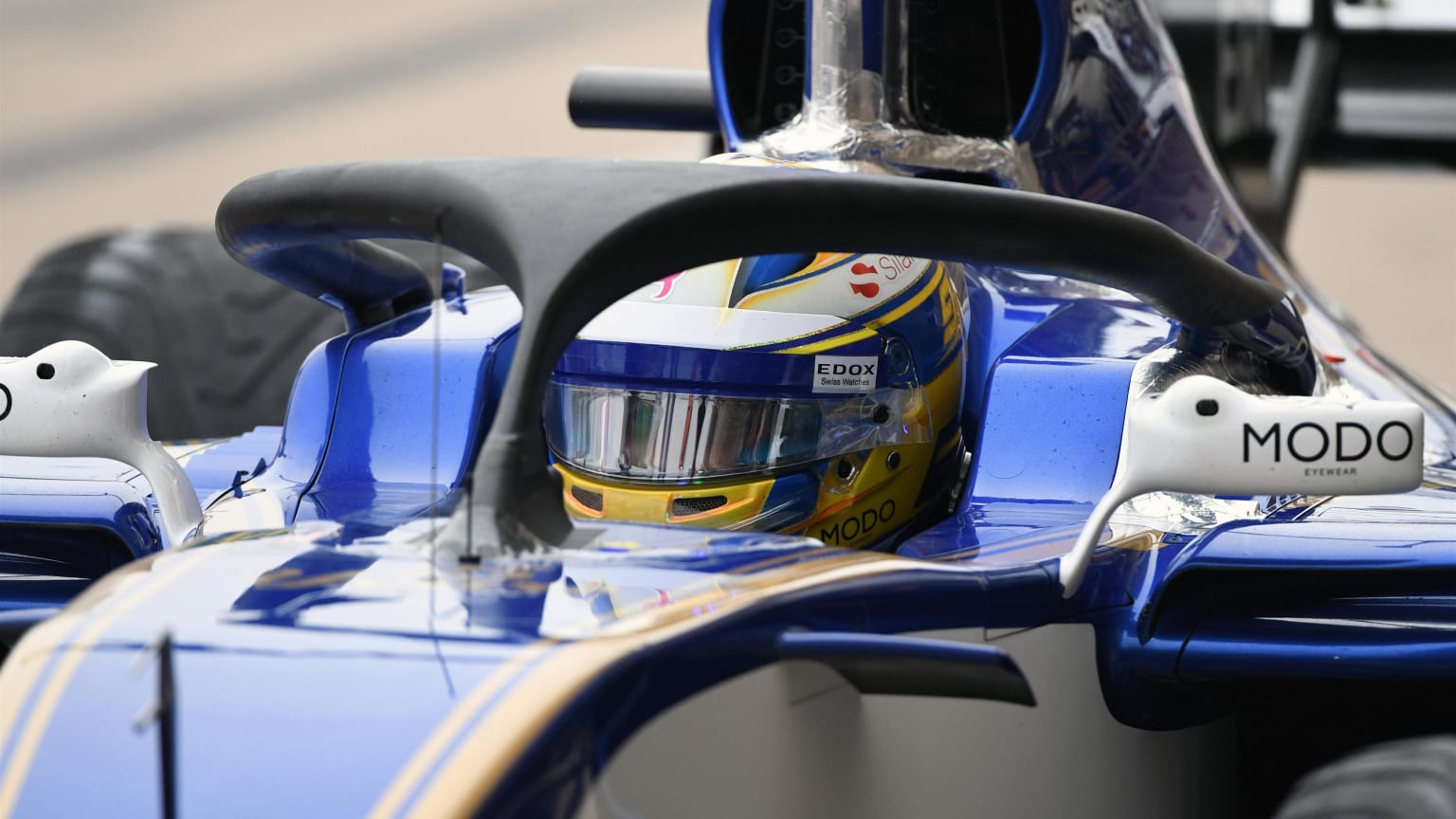
The new year also sees revisions to the halo head protection system that was implemented in 2017. This improvement emphasizes driver safety while maintaining the car's aerodynamic efficiency. "We took driver feedback very seriously, and the adjustments should enhance both protection and performance," said FIA President Jean Todt. This commitment to safety reflects the sport's ongoing evolution, prioritizing the well-being of its athletes amidst high-speed competition.
Additionally, teams will face stricter regulations regarding their power units. The 2018 season limits drivers to three engines per season, curtailing the number of components allowed. "It requires us to be strategic about our usage and to ensure reliability is paramount," stated Mercedes team principal Toto Wolff. This regulation is a clear attempt to level the playing field among teams and encourage more strategic racing decisions.
Another notable update revolves around the tire selection process. Teams must now submit their tire choices in advance for each race weekend, adding an element of strategy that many team managers find intriguing. "This is going to force teams to think more about tire longevity and performance from the very start," noted Pirelli's Motorsport Director Mario Isola. The change is aimed at promoting tire management skills and enhancing overall race strategy.
The launch of a new format for qualifying sessions also draws attention. The top ten drivers will now have to use the same tires they set their fastest time in Q2 for the start of the race, a shift from previous years. "This adds a new layer of strategy and skill to the qualifying rounds, which should make for a thrilling start to each race," explained Scuderia Ferrari's team principal Maurizio Arrivabene.
As the season progresses, drivers and teams will adjust to these regulations and explore their full potential. The interplay between competition and innovation is set to define the 2018 season, promising an engaging spectacle for fans worldwide.
In conclusion, the 2018 Formula 1 season stands poised to offer a fresh and exciting chapter in the history of motorsport. With new regulations and safety enhancements in the mix, the coming races are sure to deliver captivating drama and competitive racing. As the teams gear up, it will be fascinating to see how they adapt and thrive under the new rules, ultimately, shaping the outcome of the season.