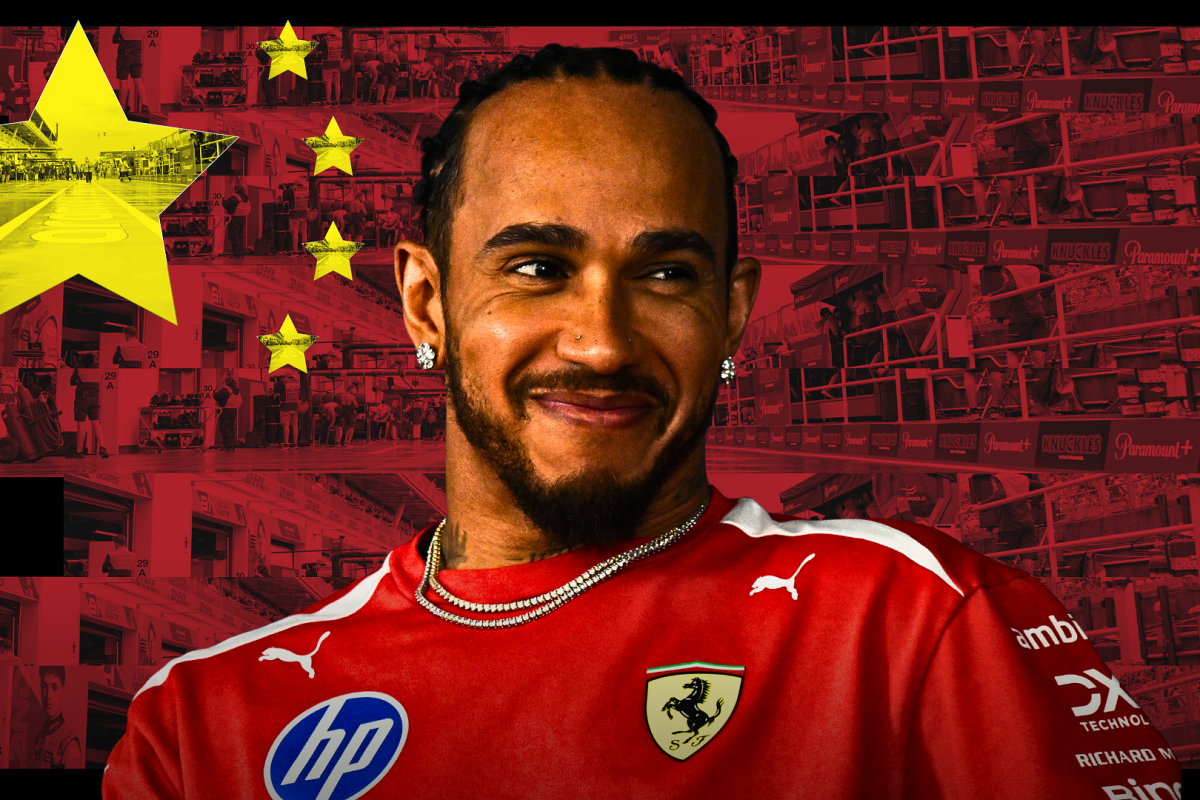
The Italian Grand Prix at Monza unfolded with significant strategic implications, particularly for Ferrari's Charles Leclerc, who emerged victorious in a race teeming with unexpected turns. With a backdrop of high track temperatures and a newly resurfaced circuit, team strategies were set to play a pivotal role, and Ferrari's decision to gamble on a one-stop race strategy proved to be a game-changer.
"We had predicted that the Italian Grand Prix would bring a lot of excitement," noted a spokesman from Ferrari prior to the race. The anticipation was palpable, but even within the Ferrari camp, there was skepticism about their chances of clinching victory.
Pirelli's insights leading up to the race had provided a clear picture on the tire strategies, suggesting a cautious approach due to potential wear issues, especially on the softer compounds. "The soft tires were almost unused; the only one to use them was Lance Stroll for just two laps at the end," highlighted a tire strategy analyst. However, that prediction quickly unraveled as conditions on the ground deviated from expectations.
-competes-with-Ferraris-Monegasque-driver-Charles-Leclerc.jpeg?trim=0,0,0,0&width=1200&height=800&crop=1200:800)
As the race unfolded, temperatures soared above 50°C, impacting tire performance dramatically. "The track's new adhesive surface caused a lot of graining," emphasized a chief engineer, shedding light on why many teams opted for a two-stop strategy. Most teams, including McLaren, were not prepared for the heightened wear, particularly on the hard compound, causing them to abandon their initial plans.
Ferrari’s risk to stick with one stop paid off immensely, with Leclerc seizing the lead for an unexpected win. "Charles Leclerc won unexpectedly, Carlos Sainz secured fourth place," stated a race strategist, clearly indicating the effectiveness of Ferrari's decision-making amid the chaos. In contrast, McLaren faced disappointment. "We underestimated the wear on the hard tires," admitted McLaren's team principal, casting a shadow over their strategy execution.
The race strategies played out distinctly among the competitors. A recap of the various approaches demonstrated how closely teams monitored the evolving conditions. Leclerc’s victory came from a solid Medium-Hard strategy, allowing him to outpace competitors like Alexander Albon and Kevin Magnussen, who also earned points despite a penalty. Meanwhile, McLaren's two-stop approach put them behind, scrambling to recover at the finish.
"The top ten at the second lap of the Italian GP showed Piastri leading, followed closely by Leclerc and Norris," explained an F1 analyst. This early lineup highlighted how quickly fortunes could change. Lando Norris had a promising start but fell victim to the strategic miscalculations as graining issues cropped up early in the race.
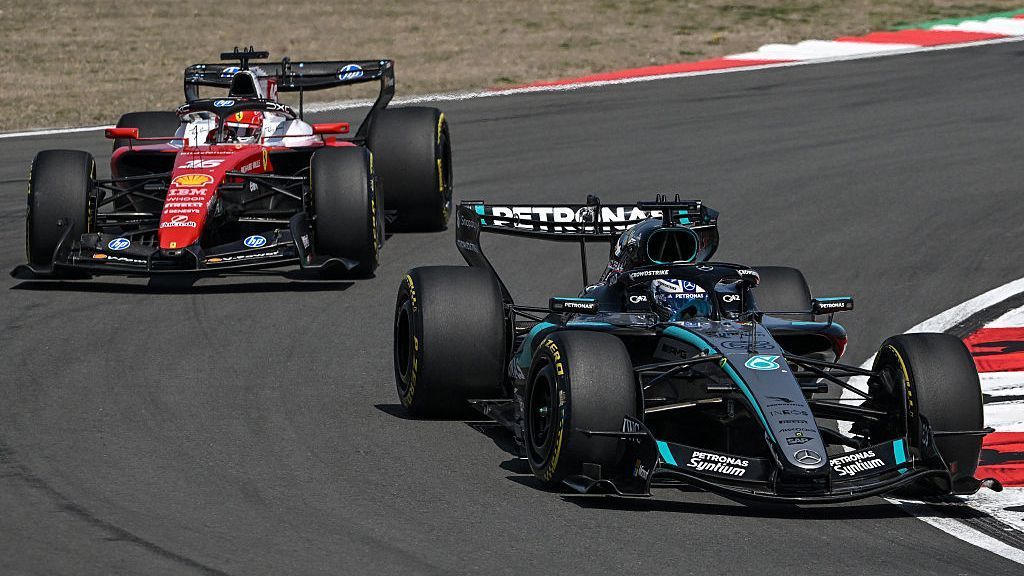
The tipping point for Ferrari arrived when Russell, making an early pit stop for hard tires, inadvertently signaled potential trouble to the rest of the field. "The fact that Russell was one of the first to pit likely set off alarm bells for everyone," stated one of the race engineers. As teams adjusted their strategies based on tire performance, most shifted to the safer two-stop methods, except for Ferrari, who tapped into a sense of daring and secured the win that had seemed unlikely before race day.
As the laps dwindled, Leclerc's mastery became increasingly clear. Despite losing ground during the pit stop phase, he regained his form and capitalized on McLaren's missteps. "Charles Leclerc lost second place to Lando during the pit stop," conveyed a race commentator, but Leclerc’s ability to manage his tires better than his competitors became instrumental in his climb back to the front.
In conclusion, the Italian GP served as a compelling reminder of how strategy and timing can alter the course of a race. Ferrari's decision to bet on tire longevity has reinvigorated their standing in the championship race, while McLaren will need to reassess their strategy following the race's revelations. The outlook for both teams as the season progresses is one of vigilance and adaptability, aiming to learn from the insights gained at Monza.