Honda is gearing up for a return to Formula 1, officially partnering with Aston Martin starting in 2026. This decision marks a notable shift as the company previously exited the sport at the end of the 2021 season. Despite this, Honda engines continue to power the Red Bull teams, which have consistently praised their performance, particularly under the skillful management of Max Verstappen.
The driving factor behind Honda's decision to re-enter F1 is the sport's commitment to carbon neutrality by 2030. "In pursuit of its goal in achieving carbon neutrality by 2030, starting in the 2026 season the FIA will mandate the use of 100% carbon-neutral fuel," explained Koji Watanabe, president of Honda Racing Corporation. He noted that the new regulations will also significantly increase the electrical performance of the engines.
The upcoming regulations will require that about 50% or more of an F1 car's power output come from electrical sources, a steep increase from the current level of 20% or less. Watanabe emphasized, "With this massive increase in electrical power, the key to winning in F1 will be a compact, lightweight and high-power motor with a high-performance battery that is capable of swiftly handling high power output as well as the energy-management technology."
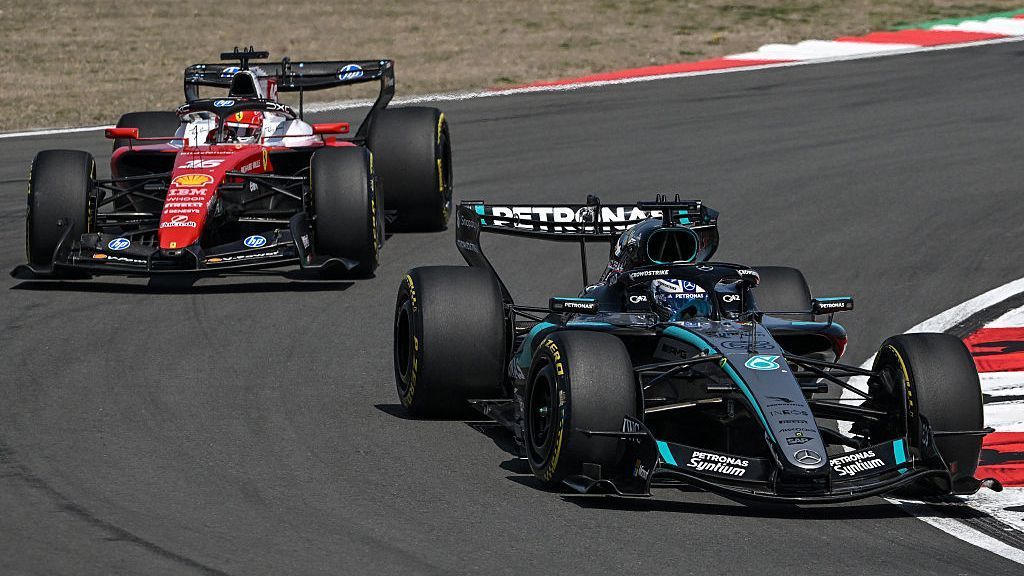
-competes-with-Ferraris-Monegasque-driver-Charles-Leclerc.jpeg?trim=0,0,0,0&width=1200&height=800&crop=1200:800)
This transition towards enhanced electrification aligns closely with Honda's broader strategy to innovate and apply new technologies toward mass-production electric vehicles. Watanabe added, "I believe the technology for electrification will be useful for us in producing vehicles in the future."
The strategic decision was also influenced by the recent extension of F1’s cost cap to include engines. This modification creates a more conducive environment for long-term participation in the sport, making it easier for Honda to commit to sustained involvement alongside Aston Martin.
While some may wonder why Honda chose Aston Martin over continuing its relationship with Red Bull, the latter has opted to develop its own engine in collaboration with Ford. Red Bull's success, led by Verstappen, has been remarkable, dominating the earlier races of the season and firmly establishing its place at the top of the constructors' standings.
Aston Martin, on the other hand, has made impressive strides this season, currently sitting second in the constructors' championship. Their momentum has been bolstered by significant investments and a restructuring initiative that culminated in the completion of a new factory, expected to open before the end of the month.
Martin Whitmarsh, the group CEO of Aston Martin Performance Technologies, expressed enthusiasm about the partnership, remarking, "Aston Martin is building a team to win in F1. To partner with a global motorsport titan like Honda is an extremely exciting and important further step for the team. Both organizations share the same relentless ambition to succeed on track."
Whitmarsh has a history with Honda, having played a pivotal role in its return to Formula 1 in 2015 while he was at McLaren. He reiterated that the upcoming 2026 regulations will necessitate a seamless integration of chassis and power units, stating, "It's very clear from what we've seen from Honda and our recent learnings, they have a huge passion, they want to win, that is what they want to do, and that is our goal."
With all eyes now on Aston Martin's performance in upcoming races, the excitement builds within the F1 community as Honda sets the stage for a new era in its Formula 1 journey. As teams prepare for the changes ahead, Aston Martin's partnership with Honda may play a pivotal role in their pursuit of success on the track. The outlook for both entities remains optimistic as they mobilize towards the 2026 season, fueled by innovation and shared ambition.