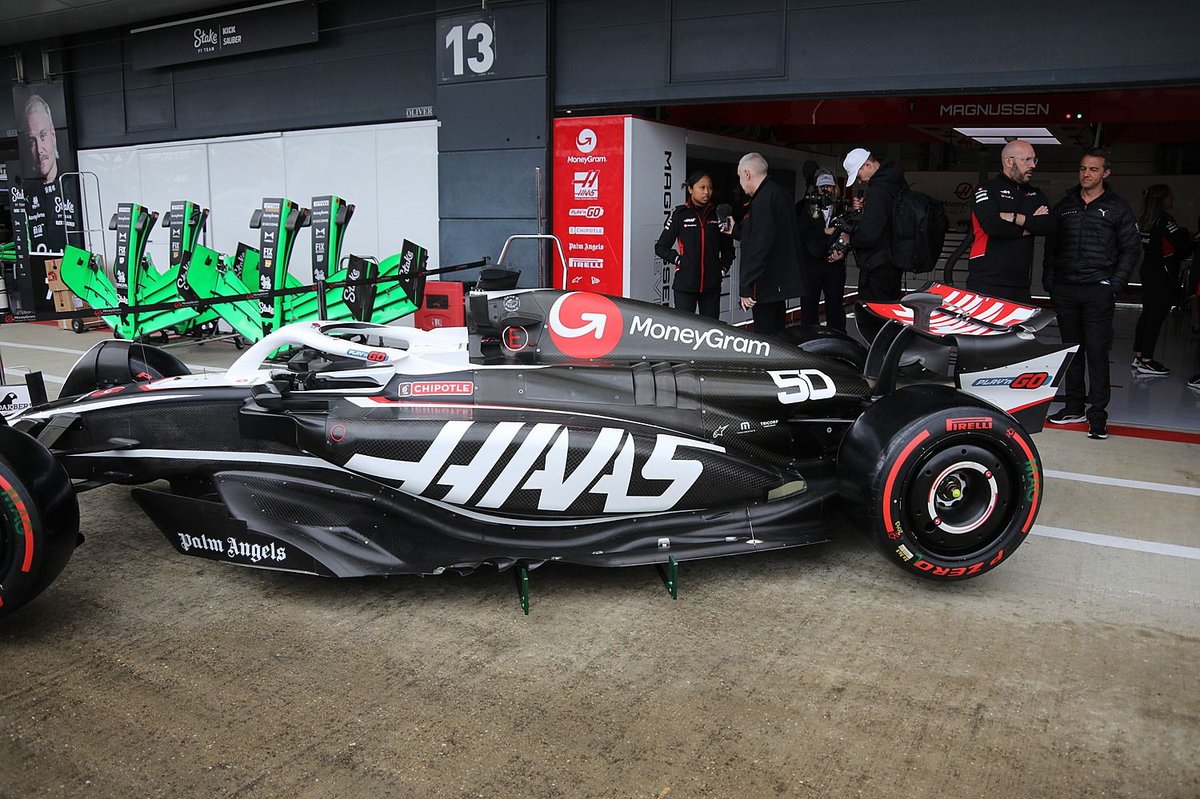
Haas Formula 1 Team is making waves this season, showcasing a surprising resilience in the midfield with their VF-24 car. What stands out is their recent upgrade package for the British Grand Prix, which intriguingly draws on strategies typically associated with the McLaren team.
The team’s journey has transformed since the start of the season. Initially plagued by doubts about their performance and vehicle dynamics, Haas has turned those concerns into tangible results. "It’s encouraging to see the VF-24 scoring points consistently, especially in light of our pre-season expectations," said a team spokesperson. This transformation indicates not only improved engineering but an evolution in the team’s strategic direction.
The upgrade to the VF-24 is particularly noteworthy as it appears to tackle one of the most critical aspects of racing: tire degradation. Unlike some of their competitors, Haas has managed to maintain a balance that minimizes tire wear while enhancing overall performance. "Our focus this season has been to create a car that handles well without sacrificing tire life," emphasized Chief Engineer Jay Wetherill.
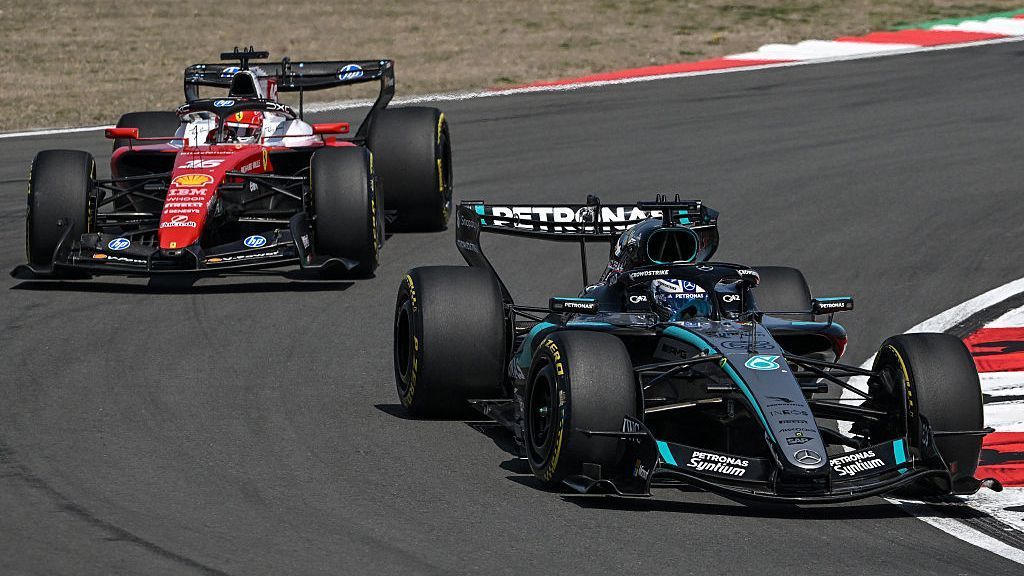
-competes-with-Ferraris-Monegasque-driver-Charles-Leclerc.jpeg?trim=0,0,0,0&width=1200&height=800&crop=1200:800)
Past attempts at upgrades had faltered for Haas, often failing to deliver noticeable improvements on track. However, this year has seen a shift in that dynamic. The upgrade package introduced at the Chinese Grand Prix proved beneficial, setting a precedent for subsequent developments. "The Chinese GP upgrade acted as a confidence booster for the team, and we’ve continued to build on that success," said Team Principal Guenther Steiner.
As the team arrived at Silverstone for the British GP, anticipation was high. The upgrades implemented were a clear nod to the methodologies and innovations used by McLaren. Their attention to aerodynamic efficiency and balance has served as an inspiration for Haas. "We’ve looked closely at how McLaren has approached their car's development and adapted elements that suit our philosophy," Steiner added.
Fans and analysts alike have noted the strategic parallels between Haas and McLaren. The latter’s improvements have historically placed them in contention, and Haas aims to replicate that success. With an eye towards maximizing performance, the recent upgrades look to enhance the car’s competitiveness even further. "By borrowing some techniques, we're hoping to unlock additional speed and stability," a senior engineer mentioned before the British GP.
The Silverstone upgrade package may have significant implications not just for the race, but for the remainder of the season. If their strategies yield positive results, it could mark a turning point for Haas in their pursuit of becoming more than just a midfield team. "We're continuously aiming higher and seeking ways to push the envelope," stated Wetherill.
Ultimately, Haas's Scottish GP updates signify a broader intent within the team to challenge the status quo and build on their recent successes. With upcoming races on the horizon, the real test will be in the execution on race day. This could potentially redefine their trajectory this season if the British GP proves to be a launching pad for further advancement. "Every race is key for us, and we hope to show that our upgrades have worked well in real-world scenarios," said Steiner.
As the teams eye the future, the sport's landscape continues to evolve with every passing race weekend. Haas is showing that they are not just participating but aiming to be contenders in the ever-competitive world of Formula 1.