Formula 1 is poised for a seismic shift in 2026 as the sport prepares to implement a new set of regulations that goes beyond simple adjustments. This overhaul will fundamentally change how teams design and execute their race strategies, affecting everything from car dimensions to performance power sources.
The forthcoming regulations will see cars shrinking in size and lowering in weight, while the power units will achieve a remarkable balance, splitting their performance 50/50 between combustion engines and electric power. This adjustment marks a significant departure from the hybrid era that began in 2014.
At the heart of this transformation lies a crucial question: "What will define success in this revamped landscape? Will it be the innovation of aerodynamics departments, the strength of engine manufacturers, or the prowess of drivers?"
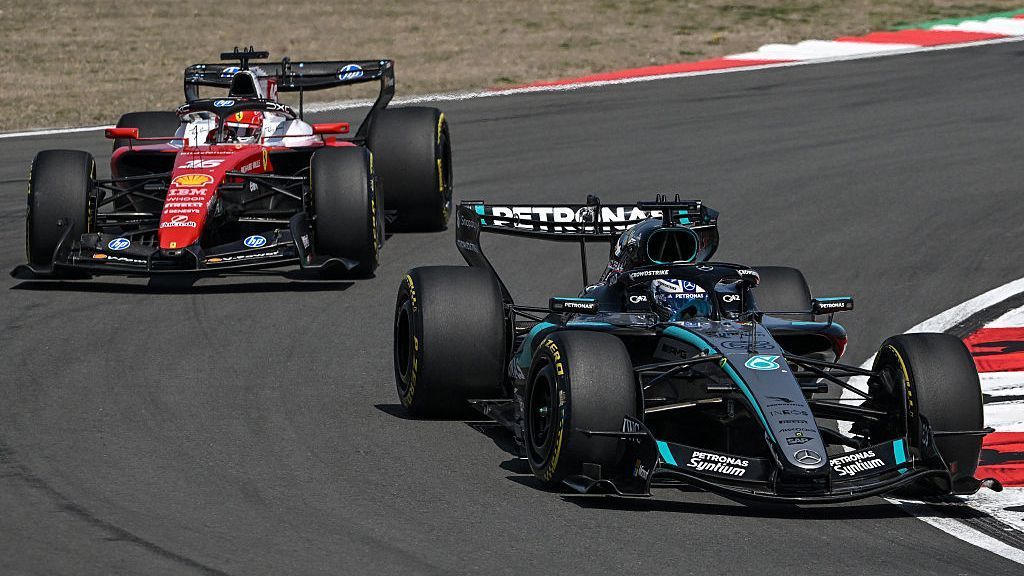
-competes-with-Ferraris-Monegasque-driver-Charles-Leclerc.jpeg?trim=0,0,0,0&width=1200&height=800&crop=1200:800)
The Aerodynamic Shift
Aerodynamics have become increasingly critical in recent competitions, with Red Bull's Adrian Newey showcasing the power of design in their dominance, claiming five of the last six championships. As teams adapt to the new 2026 rules, the focus will shift from maximizing downforce to enhancing maneuverability on the track.
"The 2026 aero regulations signify a shift toward adaptability and overtaking rather than just peak performance," said a senior figure in aero development. The introduction of active aerodynamics—featuring distinct modes for different racing conditions—will redefine how drivers engage with their vehicles.
Consequently, this engineering evolution mandates a 30% reduction in downforce and a 55% cut in drag. Therefore, teams will no longer rely on simply overpowering their rivals with speed.
"It’s about mastering dynamic setups and optimizing aerodynamic modes during racing conditions, rather than merely increasing grip," remarked an aerodynamicist familiar with the new rules. Aston Martin is anticipated to benefit from this inclusive design revolution, especially with Newey's influence.
Moreover, competitors like Red Bull might struggle initially to hold onto their aero advantages as they navigate organizational changes.
Engine Evolution

Alongside the aerodynamic changes, F1's engine regulations in 2026 will introduce a pivotal modification to the power unit philosophy. This setup will yield equal power outputs from both the internal combustion engine and the hybrid electrical system, each contributing significantly to overall performance.
"For the first time, we will see a genuine 50/50 split, with the V6 turbo producing around 536bhp and an upgraded MGU-K delivering another 470bhp," explained a top engineer in power unit development. This substantial alteration suggests that managing energy deployment will be critical for competitive success.
As the electrical components provide increased power compared to current hybrids, every lap will require drivers to skillfully blend fuel and electric propulsion for optimal effect. The impending switch to 100% sustainable fuels further complicates matters, adding another layer of strategy for engine manufacturers.
"These changes are not just about horsepower; they will fundamentally redefine race strategies as teams must adapt to completely new energy management tactics," emphasized an analyst with a long history in motorsport technology.
Conclusion
As Formula 1 approaches the 2026 season, the integration of new aerodynamic and engine regulations promises to place emphasis on adaptability and skill. The question remains: which element—be it aerodynamics, engineering, or driver ability—will take precedence in defining success? With a blend of innovation and competition on the horizon, teams are urged to prepare for a landscape that is expected to bring them closer together on the racetrack while demanding more creativity than ever before in their approach.
The 2026 revolution could redefine the essence of racing, with an exciting blend of technology and driver strategy steering the future of Formula 1.