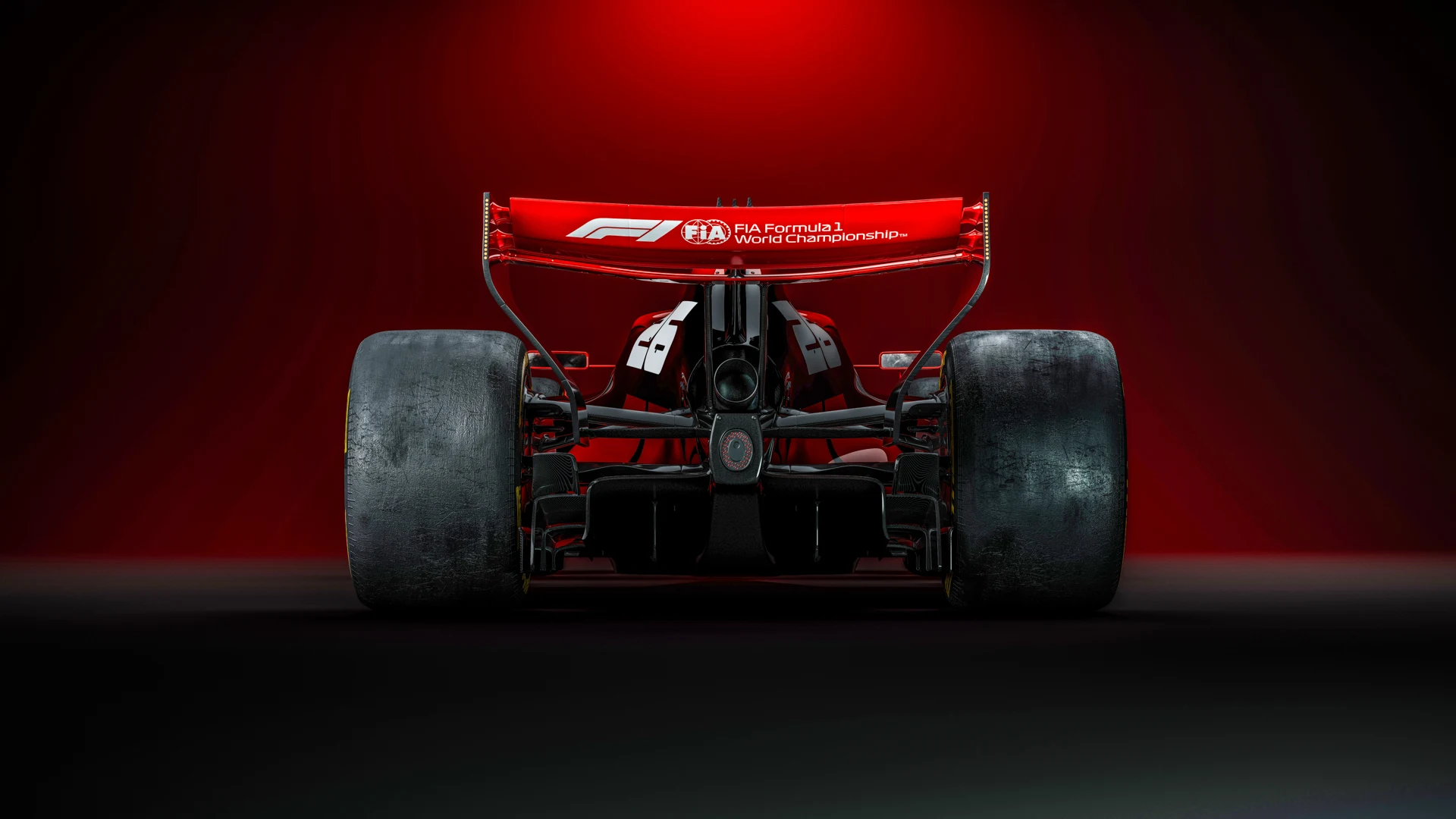
In 2026, Formula 1 will embrace Advanced Sustainable Fuels, heralding one of the most significant transformations the sport has experienced in over ten years. With changes not only to power units but also in aerodynamic design and sporting regulations, the introduction of these fuels has the potential to be groundbreaking, even if it does not dominate the headlines.
"Nobody will notice when we do it right," said Matt Youson, a special contributor to F1 discussions. This encapsulates F1's approach toward its fuel transition, aiming for seamless integration into the race day experience without compromising performance.
The rationale for this shift stems from Formula 1's commitment to achieving Net Zero emissions by 2030, a goal that seeks to transform various operational aspects of the sport. From using renewable energy sources such as solar and repurposed vegetable oils in garages and paddocks to completely eliminating single-use plastics, the initiatives are far-ranging. "Switching over to use sustainable fuels in F1 power units is a potent statement," Youson added, emphasizing the significance of F1 as a trailblazer in sustainability.
-competes-with-Ferraris-Monegasque-driver-Charles-Leclerc.jpeg?trim=0,0,0,0&width=1200&height=800&crop=1200:800)
So, what exactly constitutes an Advanced Sustainable Fuel in the context of F1? These fuels are essentially e-fuels derived from state-of-the-art processes such as carbon capture, municipal waste conversion, and utilizing non-food biomass. "Chemists can cherry-pick the molecules they want for their blend – and it's independently certified to meet strict sustainability standards," Youson explained. Crucially, none of the fuel components will originate from crude oil, marking a notable departure from traditional sources.
As sustainability remains a critical focus, questions about the environmental efficacy of these fuels arise. Although producing these advanced fuels can be energy-intensive, the end goal remains clear: the processes should rely entirely on renewable energy rather than fossil fuels. Additionally, the specifications for the fuels ensure they are produced from waste biomass instead of crops that could otherwise feed people, thereby enhancing the sustainability aspect.
But do these fuels require different kinds of engines? The answer is no. These fuels are classified as ‘drop-in’ solutions, implying they can seamlessly replace fossil fuels in existing engines without any modifications. "They would work in road cars, and we’ve also seen plenty of demonstrations on track," Youson noted. Such validation has been seen through Sebastian Vettel's ‘Race without Trace’ initiative, where sustainable fuels were demonstrated in iconic F1 cars.
Each generation of F1 fuel is specifically designed for the engines of its time, and with the previous engines being around for 12 years, fuel technology had reached a level of maturity. With the upcoming introduction of new power units in 2026, the challenge of crafting fuels that offer competitive performance while being environmentally friendly becomes crucial. This pivot towards sustainable solutions certainly adds complexity to the already demanding technical landscape for fuel manufacturers.
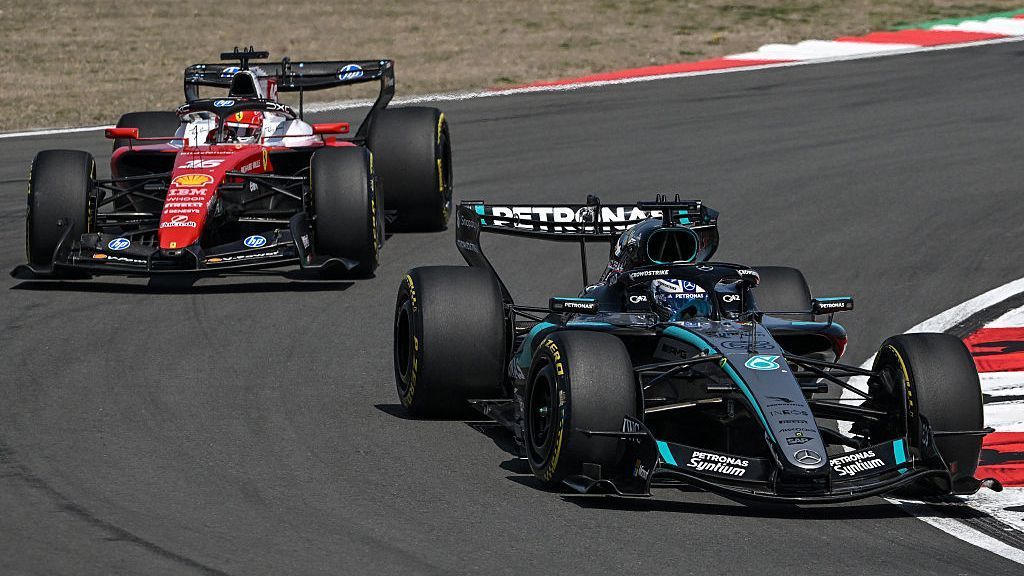
The final question revolves around performance: do these sustainable fuels equate to the energy output of their fossil counterparts? At present, the consensus is that there is uncertainty surrounding this aspect. "In terms of bang-for-buck, fossil fuels are exceptionally calorific," Youson remarked, alluding to the inherent power density that fossil fuels provide. Nevertheless, expectations lean toward these new fuels offering performance close to that of fossil fuels, with rapid improvements anticipated over time.
As Formula 1 continues to innovate with hybrid systems that already contribute nearly 50% of the power from recovered electrical energy, the integration of Advanced Sustainable Fuels adds another layer to the evolving narrative of the sport.
In conclusion, the shift towards Advanced Sustainable Fuels in 2026 represents a pivotal moment for Formula 1, aligning technological advancements with a strong commitment to sustainability. This initiative reflects not only the sport’s ambition to lead by example but also its efforts to maintain competitive integrity and showcase innovative engineering on a global platform.