In a recent assembly, Formula 1 leadership took a significant step toward shaping the future of competition by agreeing in principle on mechanisms meant to assist engine manufacturers who may fall behind under the revised 2026 regulations.
"The F1 Commission discussed in principle refinements to the energy management strategy for 2026," said a representative from the FIA. This development highlights the ongoing dialogue concerning engine performance discrepancies in the wake of the sport's evolving rules.
Yet, not all proposals found favor during this critical meeting. Specifically, a plan to reduce the allowable electrical energy during races was not adopted. This proposal, intended to minimize instances of cars running out of electrical deployment along certain circuits, will be revisited in subsequent discussions among F1 power-unit manufacturers.
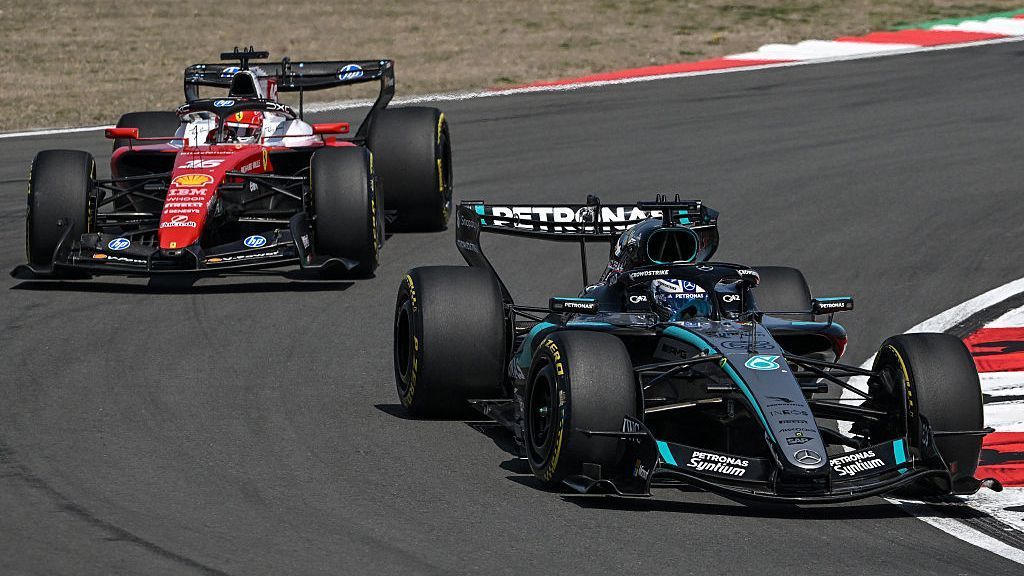
-competes-with-Ferraris-Monegasque-driver-Charles-Leclerc.jpeg?trim=0,0,0,0&width=1200&height=800&crop=1200:800)
The upcoming regulations will maintain the 1.6-litre turbo hybrid engines but will simplify their architecture while significantly increasing the reliance on electric power. "The hybrid aspect of the rules was critical in attracting Audi to the sport and in convincing Honda to stay in F1," remarked a motorsport executive. It is anticipated that electric power will represent roughly 50% of the total engine output going forward, up from the current 20%.
As more manufacturers like Red Bull Powertrains and Audi join the competition alongside present suppliers, including Mercedes, Ferrari, and Honda, concerns about performance gaps have grown. Some teams feel strongly about retaining the current regulations, including the competitive use of electrical power. "We think the sport should stick to the rules as they are and retain the electrical part of the engine as a potential performance differentiator," said a representative from Mercedes during a meeting at the Bahrain Grand Prix.
Despite these ongoing discussions, the F1 Commission also postponed deliberations on potential changes to the engine formula before the 2030 season. While no consensus was reached regarding the specifics of how manufacturers could mitigate performance shortfalls, preliminary ideas have been forwarded to the power-unit working group for further examination. Suggestions include enhanced dynamometer testing allowances or adjustments to the engine budget cap for those needing assistance.
One of the pressing issues surrounding the 2026 rules relates to energy recovery from the rear axle, which is essential for maximizing electrical power output over the course of a race. “The aerodynamic rules have already been changed to accommodate this,” an insider noted, referencing recently introduced movable aerodynamic elements meant to minimize drag for better top speeds. However, there are concerns that some drivers may need to ‘lift-and-coast’ prematurely during laps to optimize energy deployment and overall performance.
Variability in circuit layouts contributes to these worries; specific circuits might result in cars having insufficient energy while others could see an excess, potentially undermining the new push-to-pass electrical boost system that will replace the current drag reduction system (DRS). Notably, Red Bull has expressed strong support for a strategy that would reduce allowed electrical power deployment from 350kw during races to 200kw (roughly 270bhp) to ensure smoother and more consistent usage across laps.
Opposition to this idea is robust, notably from Mercedes. Team principal Toto Wolff sharply criticized the proposal, describing it as “a joke.” Mercedes maintains that predicting the impact of these changes is premature until teams have tested the updated cars.
"We have no certainty that this will be a problem next year," asserted Wolff. He emphasized that quick adjustments could be made if issues arise after on-track evaluations.
As the discussions advance, the FIA appears committed to balancing innovation and competitive equity in Formula 1, emphasizing the necessity for ongoing dialogue among manufacturers to refine these crucial regulations and ultimately enhance the sport.