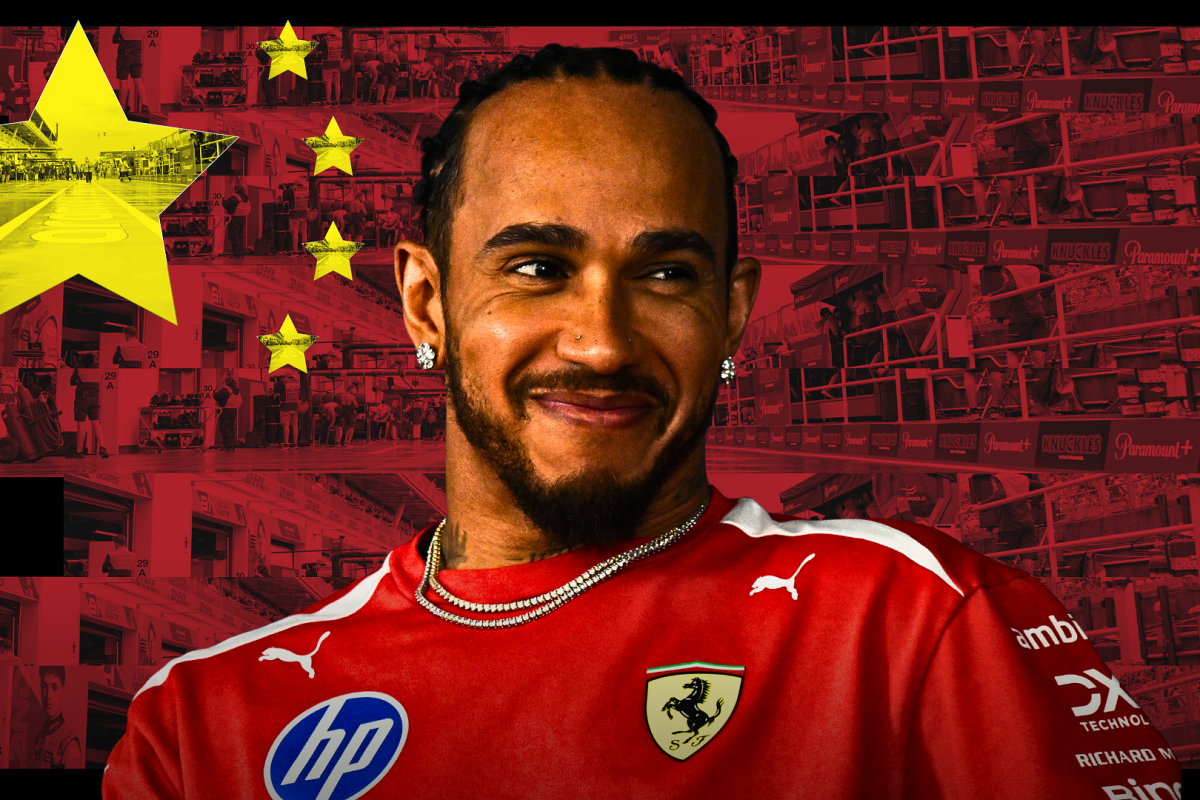
With the dawn of the 2026 Formula 1 season set to begin with the Australian Grand Prix, discussions surrounding new regulations and their implications for racing have intensified. Drivers are vocal about their concerns regarding these changes, particularly as some liken the upcoming style of racing to 'Mario Kart'.
"It’s just something we all have to adapt to, so let's see how it goes and give this era a chance," stated George Russell, the Mercedes driver. Russell's sentiment reflects a cautious optimism among several competitors as they gear up for the season.
The Australian Grand Prix is scheduled to kick off this new chapter in Formula 1, prompting fans and teams alike to consider how the modified rules will affect the racing landscape. Many wonder whether these changes could lead to unforeseen challenges, both on and off the track.
-competes-with-Ferraris-Monegasque-driver-Charles-Leclerc.jpeg?trim=0,0,0,0&width=1200&height=800&crop=1200:800)
In a pivotal moment, Lewis Hamilton weighed in on the upcoming modifications, labeling them as "the most challenging" changes he’s experienced in his illustrious career. Hamilton’s perspective adds a layer of complexity to the discussions, as he has been a driving force in the sport for over a decade. His insights serve to highlight the significance of these alterations and their potential effects on driver performance and race strategy.
Concerns have also been voiced about the physical toll these changes may take on the drivers. The Aston Martin team announced it would be limiting laps to mitigate the risk of nerve damage among its competitors. The decision marks a serious acknowledgment of the new demands placed on the athletes within the altered framework of races.
As the world fixes its gaze on the Formula 1 calendar, one particular question lingers in the air: Will the rising tensions from global events, such as the situation between the US and Iran, impact the scheduling and execution of races? Experts remain cautious, with various scenarios being evaluated to understand how external factors could disrupt the sport.
Amidst the uncertainty, excitement still thrives within the sport. McLaren’s star driver, Lando Norris, has made headlines for his outstanding performance leading into the 2026 season, claiming his hopes for the title with confidence. Norris joins a contingent of talented racers who are eager to measure their abilities against the backdrop of these new regulations.
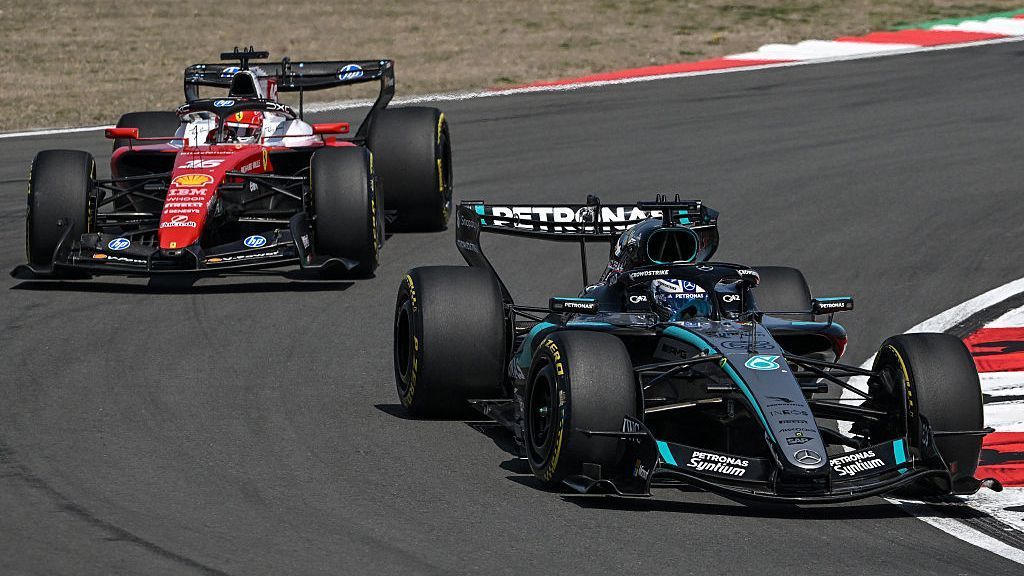
As the season schedule unfolds, anticipation simmers both within competitive circles and among fans. In the wake of recent events, including the disqualification of the top two drivers at the Las Vegas GP, unexpected twists have become a staple in Formula 1 storytelling. Spectators are encouraged to catch the action live and witness how the drama will unfold.
Aside from the on-track developments, Formula 1's popularity is rising steadily in the United States, drawing in a diverse audience that includes a significant number of women. A recent survey underscored this trend, marking a pivotal moment for the sport as it seeks to expand its reach and engagement across demographics.
As fans prepare for an exhilarating season, the proverbial engine is revving. How the drivers, teams, and governing bodies adapt to these evolving circumstances will define the essence of the 2026 Formula 1 season. Stakeholders must be attentive to the inherent challenges and opportunities that lie ahead, setting the stage for what promises to be a transformative era in the world of racing.