In just six months, the highly anticipated Formula 1 cars for the 2026 season are set to be unveiled during private testing sessions in Barcelona. The new designs remain largely confidential, generating buzz and curiosity among engineers and teams alike. As the FIA continues to tweak regulations, the technical framework is in a constant state of flux, making it challenging for teams to finalize their car designs.
"With just six months until the 2026 cars hit the track in Barcelona, the regulatory environment is still highly dynamic and far from stable," said an FIA representative, commenting on the ongoing adjustments to the technical regulations.
On July 31, 2025, the FIA released the 13th version of the Formula 1 Technical Regulations, which aims to revolutionize the landscape of F1 engineering. In coordination with eleven teams, including newcomers like Cadillac, the FIA is refining various articles to prepare for what is being touted as a monumental shift in technical regulations.
-competes-with-Ferraris-Monegasque-driver-Charles-Leclerc.jpeg?trim=0,0,0,0&width=1200&height=800&crop=1200:800)
"These changes are so innovative that very few people have a clear understanding of what the 2026 cars will ultimately look like," remarked an F1 technical analyst, emphasizing the uncertainty surrounding the upcoming models. These new vehicles are expected to depart significantly from the ground-effect designs that have dominated since 2022.
FIA President Mohammed Ben Sulayem is also utilizing this technical revolution as a platform for his re-election campaign, which will conclude by the end of next year. Notably, he has suggested the possible return of naturally aspirated V8 engines with minimal KERS, hinting at a potential departure from the new generation of hybrid power units.
"We’re looking at potentially bypassing the next-gen F1 hybrid power units," said Ben Sulayem. This announcement strikes a controversial chord, particularly because the agile car designs stem from strategic decisions made by executives with limited racing experience. These leaders have been invited to contribute ideas for new power units, which include remarkable concepts such as aligning the outputs of internal combustion and electric engines.
While appealing in theory, these suggestions may prove costly and complicated to implement. The FIA has also aimed to define what the 2026 car's overall concept should look like, but its evolution has been challenged by issues in the hybrid powertrain. For instance, the MGU-K may struggle to recover sufficient energy on certain circuits, resulting in diminished performance when batteries are partially depleted.
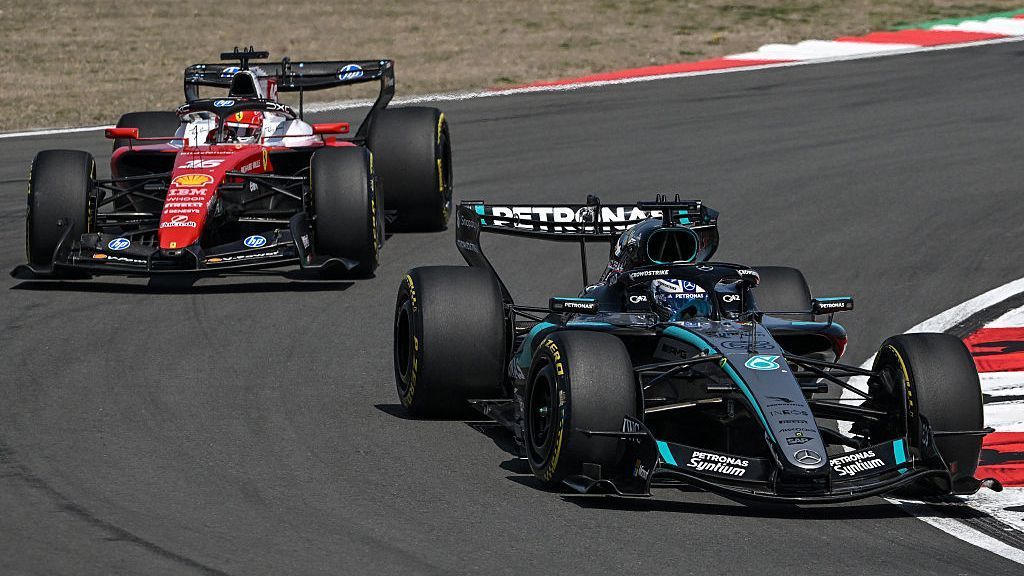
To overcome these challenges, the 2026 Formula 1 cars are being developed to be approximately 30 kg lighter than their predecessors. Teams are working with a shorter wheelbase reduced from 3,600 mm to 3,400 mm, and bodywork that is slimmer, going from 2,000 mm down to 1,900 mm. Additionally, the new vehicles will utilize 18-inch wheels, presenting changes of 25 mm narrower at the front and 30 mm at the rear. The design also includes a flat floor configuration to enhance aerodynamics and overall maneuverability.
In a significant shift, the FIA is promoting the use of active aerodynamics, moving away from the conventional drag reduction system (DRS). This strategy involves implementing movable wings at both the front and rear of the cars. The goal is to reduce overall aerodynamic downforce by at least 20% compared to current models, which will challenge drivers, especially in high-speed corners where downforce is crucial.
Adrian Newey, Managing Technical Partner at Aston Martin, initially voiced concerns regarding the restrictive nature of the 2026 regulations. However, upon joining Silverstone, his perspective seems to have evolved positively. "There are development opportunities for next year’s cars," he hinted, suggesting optimism amid the restrictions.
Designed with a focus on enhancing overtaking opportunities and improving following performance, the 2026 regulations aim to allow cars to travel in another's slipstream more effectively. This is expected to create a more thrilling on-track spectacle. The 2026 rules are determined to maintain the essence of ground-effect cars while avoiding previous pitfalls of optimizing downforce at the detriment of clean air flow.

As teams gear up for the impending changes, the FIA's restrictive front wing design is intended to channel airflow more efficiently around the front wheels and along the vehicle body. With aerodynamic teams continuing their research, the upcoming years promise to reshape the future of Formula 1 racing.