
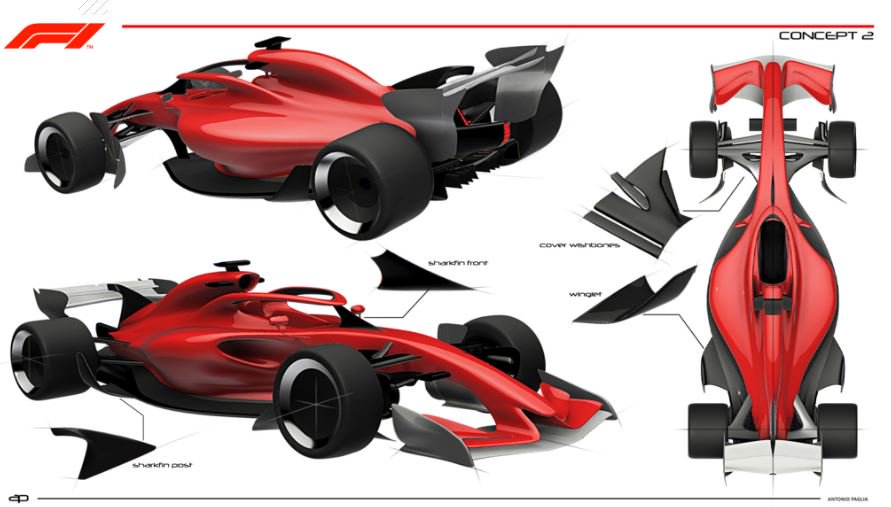
As Formula 1 prepares for a new era in 2026, the FIA is advancing its plans for a groundbreaking overhaul, primarily aimed at reducing the weight of F1 cars. This move marks a significant shift, especially considering the technological changes regarding power units and fuels.
The FIA is set to eliminate the MGU-H component from the power unit, while increasing electric power output significantly. This shift is a part of a broader initiative towards sustainability, which includes the use of 100% sustainable fuels. "However, the weight of the engines is expected to increase by about 30% compared to the current ones," remarked Nikolas Tombazis, a prominent figure in the regulatory discussions. Many within the sport are voicing concerns that these changes could lead to Formula 1 losing some of its fundamental essence.
A pivotal goal of the new regulations is to lessen the minimum weight of the cars. Currently, the lower weight limit stands at 798 kg, but the FIA aims to reduce this by 40 to 50 kg. "We want to make the cars less bulky, with width reduced by 10 centimeters and length by 20 centimeters," Tombazis stated, highlighting a push for more agile designs.
While the ambitious target of lowering minimum weight is clear, Tombazis is wary of completely abolishing these limits. "It would start an endless competition, with unpredictable consequences," he explained, emphasizing the need to maintain a regulated framework. "There will be no more concessions if the tires or any control units become heavier than expected. The minimum weight will remain at the value we have set," he added, suggesting that some cars might still be considered overweight even with the new regulations.
As discussions around the 2026 regulations progress, Tombazis expressed optimism, stating, "We are on the right track with the 2026 car. The driving characteristics will be quite similar to the current ones, which will yield better performance in traffic, making overtaking easier. We are also working on the DRS system.” This focus on enhancing overtaking capabilities reflects a commitment to improve the overall spectacle of the sport.
Moreover, the FIA appears to be exploring the potential of active aerodynamics at both the front and rear of the cars. Such technology could not only ease overtaking but also improve the efficiency of electric power management and recovery.
"Currently, these ideas are still in embryonic stages, but we could soon see further developments," expressed a source involved in the discussions. This adaptability indicates a future where technological advancements align closely with performance and sustainability goals.
As the automotive world shifts towards sustainable practices, the changes set for 2026 in Formula 1 could serve as a benchmark for other racing formats. While challenges remain in balancing innovation with tradition, the FIA's outlined goals aim to create a more competitive and engaging racing experience.