The recent Italian Grand Prix showcased a complex interplay of tyre strategies among the competing teams, which proved pivotal in determining their performances throughout the race. Given the unique characteristics of the Monza circuit, teams were faced with critical decisions that could make or break their results.
"The key was managing your tyres effectively throughout the race," said Max Verstappen, driver for Oracle Red Bull Racing. His insights reflect the importance of tyre longevity at a track known for high-speed straights and demanding corners.
Throughout the weekend, teams strategized on a combination of soft, medium, and hard compounds, weighing their choices based on practice performances and weather conditions. "We knew we had to stay competitive and make a quick decision without compromising our pace," remarked Lewis Hamilton of the Mercedes-AMG Petronas Formula One Team.
-competes-with-Ferraris-Monegasque-driver-Charles-Leclerc.jpeg?trim=0,0,0,0&width=1200&height=800&crop=1200:800)
One of the unexpected turns in the race came from Ferrari's hometown advantage. "We had to play our cards right with the strategy to give us the best chance on home soil," said Charles Leclerc. The local team's approach to tyre usage was closely monitored, particularly as the race unfolded under varying track temperatures.
The decision to pit early or late also came into play. "It was about finding the right moment to switch compounds, and that’s what our engineers really excelled at this weekend," noted Sergio Perez from Red Bull. His strategy of conserving tyres for a later push paid off, showcasing the significance of in-race adaptability.
Pirelli's involvement cannot be overlooked either, as the tyre supplier worked closely with teams to optimize performance under race conditions. "We've gathered a lot of data here that will help us in the upcoming races,” stated Mario Isola, Pirelli’s head of motorsport. This reflects Pirelli’s ongoing commitment to enhancing the quality of the racing spectacle through informed tyre choices.
The competitive nature of the midfield required additional scrutiny of tyre strategies. "We were not just fighting at the front; it was essential to balance pace and durability against rivals like McLaren and Alpine," shared Fernando Alonso from the Aston Martin team. His team implemented an aggressive strategy, aiming to outpace opponents through strategic pit stops.
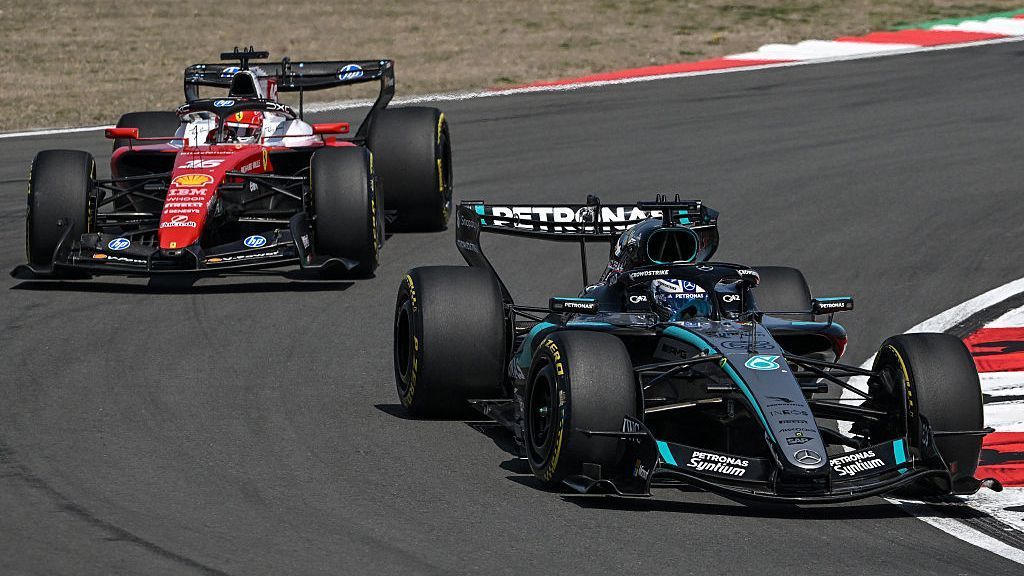
The pacing of the race highlighted how crucial these tactical decisions were. "In Formula 1, it often comes down to milliseconds, especially with tyre management," explained Lando Norris of McLaren. His commentary illustrates the razor-thin margins that define success at this level of motorsport.
As the race approached its conclusion, the track conditions played a pivotal role in the final laps. "The tyre performance varied greatly as the track evolved; we had to adapt on the fly," added Carlos Sainz from Ferrari. The need for real-time decision-making underlines the dynamic nature of the championship as teams strive for supremacy.
Reflections on the race strategy were not only confined to those at the forefront. "We learned and collected valuable data to build upon for the next races," stated George Russell, who acknowledged the learning experiences from the strategic choices made during the Italian Grand Prix.
The outcome in Monza emphasizes the ongoing evolution of strategic approaches in Formula 1 and the critical role tyres play in the competitive landscape. As teams look ahead to future races, they will undoubtedly reflect on the insights gained from their experiences in Italy. Their ability to adapt strategies on the track may well determine the outcome of the championship as it progresses.

With the conclusion of the Italian Grand Prix, the teams will carry forward vital lessons learned regarding tyre performance and race strategy, setting the stage for continued fierce competition in upcoming events. As they prepare for more challenging circuits, how these strategies evolve will be closely watched by fans and analysts alike.