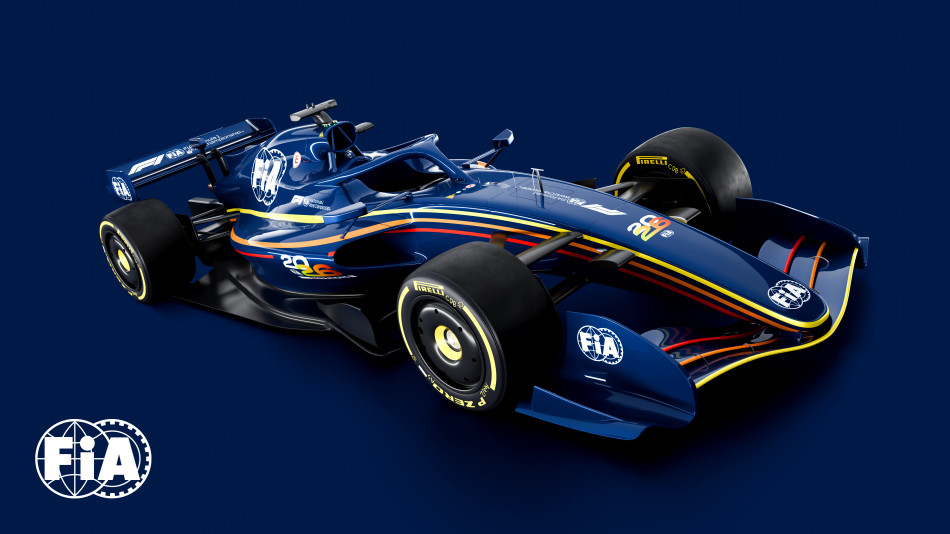
Formula 1 is poised to embark on a transformative journey in 2026, as new regulations are set to reshape car design and racing dynamics. After years of discussion, changes aim to enhance the sport’s sustainability and rigor, impacting teams, drivers, and fans alike.
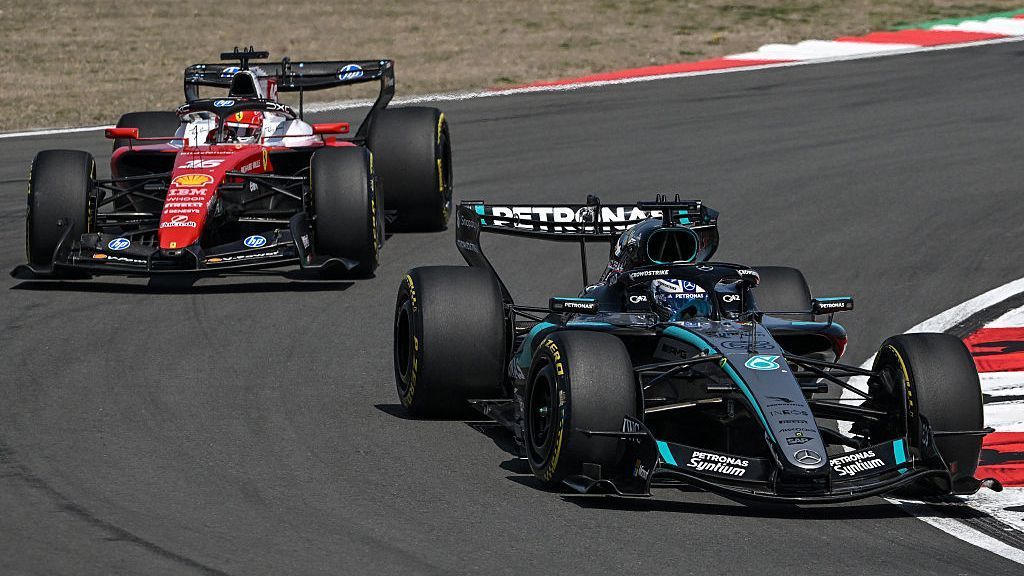
The upcoming switch in regulations marks a distinct shift from those in place between 2022 and 2025. This previous era focused on improving racing quality by minimizing the disruptive effects of 'dirty air.' "The design changes helped teams like Red Bull and McLaren find consistent performance," said a seasoned analyst familiar with the teams' strategies. During this time frame, engine development remained dormant, allowing manufacturers to get ready for the major innovations expected in 2026.
The move to 2026 has been discussed extensively within the motorsport community, with sustainable changes taking center stage. The new regulations emphasize hybrid power systems and prioritize driver talent. This direction signals a significant evolution in the design philosophy adopted by the teams.
-competes-with-Ferraris-Monegasque-driver-Charles-Leclerc.jpeg?trim=0,0,0,0&width=1200&height=800&crop=1200:800)
The designs of 2026 cars will notably differ in size and weight. “The new racing car will be 200mm shorter and 100mm narrower,” described an expert familiar with the technical regulations, comparing the dimensions to those of a banana and a bagel. Additionally, these cars will be 32 kg lighter than their predecessors, translating to better agility on the track.
When it comes to tires, the new regulations maintain the 18-inch wheel diameter but modify the width. Front tires will see a decrease from 305mm to 280mm, while rear tires will drop from 405mm to 375mm. The absence of front wheel arches will also help in minimizing drag, contributing to a cleaner aerodynamic profile, which should further alleviate the effects of dirty air.
The aerodynamics of the cars will also undergo an overhaul. Teams are no longer required to set their vehicles low to the ground, which could potentially reduce the chance of porpoising. “A smaller rear diffuser and a flatter floor design will help maintain stability,” noted an engineering consultant. Furthermore, the front wing width will shrink by 100mm, now featuring a two-flap active system designed to lower turbulence, while the rear wing will transition to a simpler three-element layout.
In a groundbreaking shift, 2026 introduces active aerodynamics with new adjustable elements that evolve during races to improve performance. “We’re moving away from DRS and adopting a Manual Override Mode (MOM) that brings substantial power boosts,” stated a team principal. This system allows drivers to temporarily enhance performance with up to 350kW of additional electric power, a thrilling prospect for competitive racing.
Additionally, racers will have two distinct configurations during events: the X-Mode and Z-Mode. The X-Mode, tailored for straights, operates similar to the current DRS, increasing speed by reducing drag, while Z-Mode is meant for corners, maximizing downforce for better grip. "The synergy between these modes will give drivers a strategic advantage during races," explained a technology executive from one of the leading teams.
Finally, the heart of the 2026 car, the power unit, undergoes a significant transformation with the removal of the complex MGU-H component. This simplifies engines, which now depend more heavily on the Kinetic Motor Generator Unit (MGU-K). "This will lower costs and potentially democratize technology across the grid," commented a senior engineer. The adjustments to the power unit signal the ongoing commitment to both performance and sustainability, setting the stage for an electrifying season ahead.
As Formula 1 looks forward to the 2026 season, these regulatory changes encapsulate a shift towards agility, performance, and sustainability in racing. With teams preparing for an uncertain future, one thing is clear: the landscape of Formula 1 is about to experience a dramatic metamorphosis, drawing in fans and competitors into a new chapter of motorsport history.