The recent Hungarian Grand Prix saw Max Verstappen, the reigning world champion, finishing in a disappointing fifth place. This marked a noticeable dip for Red Bull, particularly after a promising qualifying session against McLaren rivals. "The strategic errors compromised the final result," Verstappen reflected, indicating that the team's recent upgrades failed to yield the expected performance boosts.
With McLaren showcasing growing dominance on the track, the stakes are high for Red Bull as the constructors' championship comes increasingly under threat. "If this keeps to be the trend for the next races, the Constructors’ Championship seems more and more in McLaren’s hands," Verstappen stated, hinting at the urgent need for Red Bull to rectify their performance.
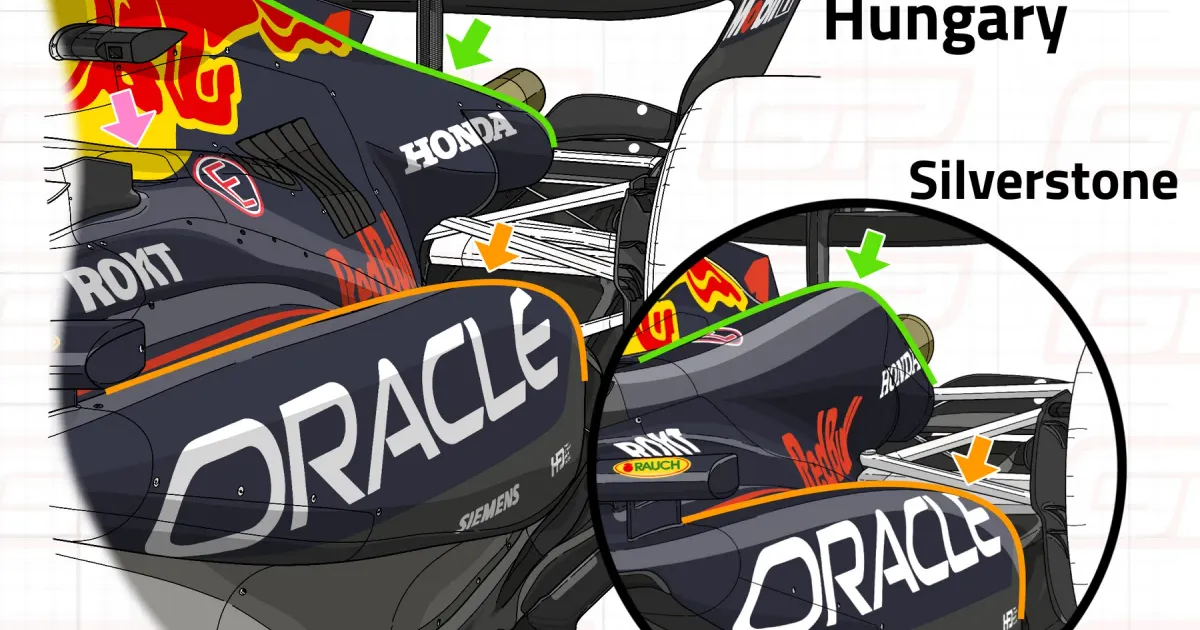
Amid this backdrop, Red Bull introduced a significant upgrade package at the Hungarian GP, initially planned for the Zandvoort race. The upgrades, however, were only deployed on Verstappen's car throughout the weekend. At the heart of these modifications were pivotal changes to the front wing, engine cover, and cooling inlets.
-competes-with-Ferraris-Monegasque-driver-Charles-Leclerc.jpeg?trim=0,0,0,0&width=1200&height=800&crop=1200:800)
The front wing underwent a complete redesign. According to sources, the new wing features a flatter profile in its central section, diverging from the more spoon-shaped design that aimed to increase airflow. This shift aimed to enhance downforce at medium to high speeds, a necessary improvement as both Verstappen and his teammate Sergio Perez had complained about understeering in previous races. "The new front wing didn’t seem to have solved the issues, as Verstappen was complaining a lot of understeering especially during the first stint of the race," noted analysts observing the race dynamics.
In examining the RB20’s bodywork, observers noted a departure from the previous design. Pierre Waché's engineering team opted for a more conventional style reminiscent of the RB18, with modifications to optimize airflow and heat evacuation. The engine cover now boasts a more linear profile towards the rear, aimed at facilitating better air management. Moreover, previous air intakes have been eliminated in favor of a design that enhanced airflow towards the beam wing and diffuser.
Changes extended beyond just the visual aesthetics; they were intended to improve the car’s handling and cooling efficiency. The revised cooling inlets, positioned differently, also exemplify the redesign's intent to enhance overall car performance. "The modifications aimed at guiding the air more effectively, pushing towards the channels needed for optimal aerodynamics," explained a technical analyst.
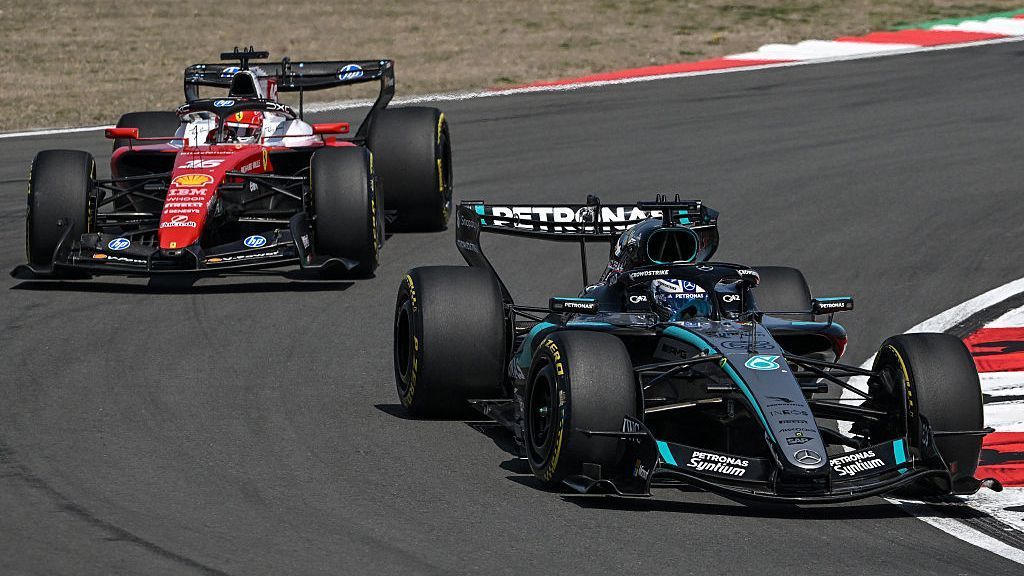
Despite these thorough revisions, the race revealed persistent issues related to tyre management, particularly under high loads. Verstappen’s struggles were compounded by the heat generated by the competing McLarens, which he candidly expressed during his discussions post-race. "The hot air coming from the two McLarens in front put a lot of stress on my medium tyres," he commented, underscoring the challenges faced on the circuit.
As Red Bull reflects on these developments, both the team and Verstappen must address the factors contributing to their underwhelming performance. The anticipated returns from their innovative upgrades offer a glimmer of hope, but questions remain about their execution under competitive conditions. The need for immediate adjustments to counter McLaren’s upward surge cannot be understated.
Looking ahead, Red Bull's performance trajectory will be closely scrutinized in subsequent races. The ongoing rivalry with McLaren could shape the trajectory of the Constructors' Championship, making strategic assessments and technical adjustments paramount for Red Bull as the season progresses. In the high-stakes world of Formula 1, lapses in performance may determine the championship outcome, and Red Bull’s technical prowess will be tested against the swift adaptability they need to showcase in the coming races.