In the world of Formula 1, adherence to official regulations is crucial for both the safety and fairness of the sport. The Federation Internationale de l’Automobile (FIA), the governing body of motorsport, plays an essential role in establishing these rules, ensuring that the competitive environment remains robust and secure. "Without the FIA’s rules and regulations, F1 racing and most other organized motorsports could not exist," said an F1 spokesperson.
Since its establishment in 1904, the FIA has worked tirelessly to foster a competitive atmosphere while prioritizing safety measures across motorsport disciplines. Acknowledging the persistent evolution of the sport, the FIA publishes annual updates to its rulebooks. These updates reflect advancements in technology, materials, and safety protocols.
For the upcoming 2023 season, the FIA has outlined three key sets of regulations: technical, sporting, and financial. Each year, these documents undergo revisions to better align with contemporary technological advancements and competitive requirements. "The FIA adds, drops, and modifies regulations as it sees necessary to keep up with technologies and to fulfill its mission," remarked a FIA representative.
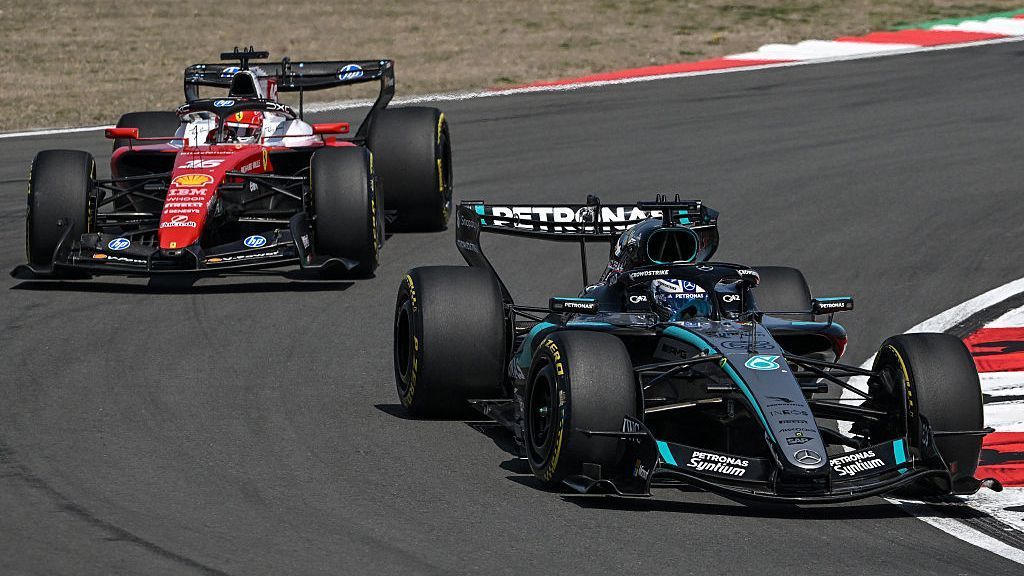
-competes-with-Ferraris-Monegasque-driver-Charles-Leclerc.jpeg?trim=0,0,0,0&width=1200&height=800&crop=1200:800)
In anticipation of the 2026 season, the governing body has already published draft regulations targeting new power unit standards, implying a proactive approach to future developments.
Understanding F1 Sporting Regulations
Among the most critical of these documents are the FIA Formula 1 sporting regulations, which dictate the conduct of teams, drivers, and races. The 2023 guidelines cover essential aspects including race schedules, point allocations, and requirements aimed at promoting safety.
The format of an F1 race weekend is structured to include a variety of events. This year, the regulations permit a maximum of 24 race weekends, with up to 6 potentially featuring two races: a sprint event on Saturday followed by the main Grand Prix on Sunday. "The number and order of events are defined in the sporting regulations," explained a racing analyst.
Championship Points System
Drivers and teams vie for two prestigious titles during the season: the World Drivers Championship and the World Constructors Championship. The sporting regulations provide a detailed framework outlining how points are accrued, reflecting performance on the track.
The allocation of points is pivotal to competitive strategy, making every race a critical opportunity for teams and drivers alike. Clearly defined criteria ensure that each participant understands the importance of their performance throughout the season.

Conduct Standards for Drivers and Teams
Furthermore, the sporting regulations delineate acceptable conduct for drivers, pit crews, and team members—covering behaviors on the track, including overtaking maneuvers and defensive strategies. Penalties for rule infractions are also detailed. `"The regulations cover on-track behavior... and the penalties for infractions," emphasized a team operations specialist.
Additionally, the rules encompass guidelines for pit stops, team orders, and a variety of operational protocols that must be followed during race weekends. This exhaustive attention to detail is a reflection of the sport's commitment to integrity and competition.
F1's regulatory framework serves a dual purpose: it not only ensures safety and fairness but also enhances the competitive spirit of the sport. As Formula 1 continues to grow and adapt, keeping abreast of these regulations is vital for fans and participants alike. 'Staying updated with the rules enables enthusiasts to better appreciate the intricacies of racing,' noted an F1 commentator.
In conclusion, as the FIA continues to evolve its regulations to align with technological advancements and safety concerns, both fans and teams are reminded that understanding these rules is a fundamental aspect of the racing experience. The competitive nature of Formula 1—combined with strict adherence to the rules—ensures that every race is a thrilling spectacle driven by strategy, skill, and precision.