The recent Dutch Grand Prix showcased a predominantly singular approach to tyre strategy among F1 teams, with only Mercedes diverging by opting for a two-stop strategy. Pre-race anticipation suggested a tight contest between one and two-stop strategies but ended up favoring the one-stop method for most competitors.
Aston Martin's performance director, Tom McCullough, emphasized the variables teams faced at Zandvoort. "We don’t have as much historical data here as a lot of circuits. We’ve not been coming here that long and it’s amazing how much we use historical data. When you don’t have it, it just pushes your current understanding, simulations and models even harder," he explained.
McCullough laid out the challenges that come with racing at Zandvoort, especially during unpredictable weather changes that alternated between wet and dry conditions. "When you have a weekend like this where it’s wet, dry, wet, dry, this is a race we’re coming back to with the same construction, same tyres, as last year, but the cars have moved on and the way they use the tyres has changed," he noted. This adaptation was crucial in determining the best strategies for the race, as tire performance varied from previous years.
-competes-with-Ferraris-Monegasque-driver-Charles-Leclerc.jpeg?trim=0,0,0,0&width=1200&height=800&crop=1200:800)
Understanding tyre degradation is key in F1, as it measures the loss of performance throughout a race. McCullough clarified the distinction: "A tyre can still have most of its tread but be essentially finished, its core no longer able to provide sufficient support for the tread. Alternatively, at some tracks the tyre can still be delivering great performance with very little tread left." This complex relationship between degradation and wear adds a layer of strategy, especially on a demanding track like Zandvoort.
Additionally, McCullough elaborated on how the evolving performance of the cars impacts tyre endurance. "With the cars quicker they are putting more energy into the structure of the tyre. But the extra downforce can protect the tread. It is a combination of the two. Relative to last year we’re harder on the tyres, but we’re going quicker," he stated. This increased downforce affects how drivers manage their tyre usage, making strategy a dynamic aspect of the race.
The race proved challenging in terms of overtaking opportunities, leading to a considerable emphasis on maintaining track position. McCullough stated, "It’s hard to overtake here, so it’s very much a track position race." Teams had to take this into account when planning their pit stops and overall race strategies, further highlighting the critical importance of effective tyre management.
The approach taken by Aston Martin contrasted sharply with Mercedes, who gambled on the two-stop strategy, indicating how divergent tactics can be pivotal in determining race outcomes. Despite the lack of extensive historical context to inform decisions, teams like Aston Martin were forced to be agile, reacting live to the race’s conditions as McCullough pointed out: "It’s a one or two-stop, and we have to react live during the race depending on what’s happening."
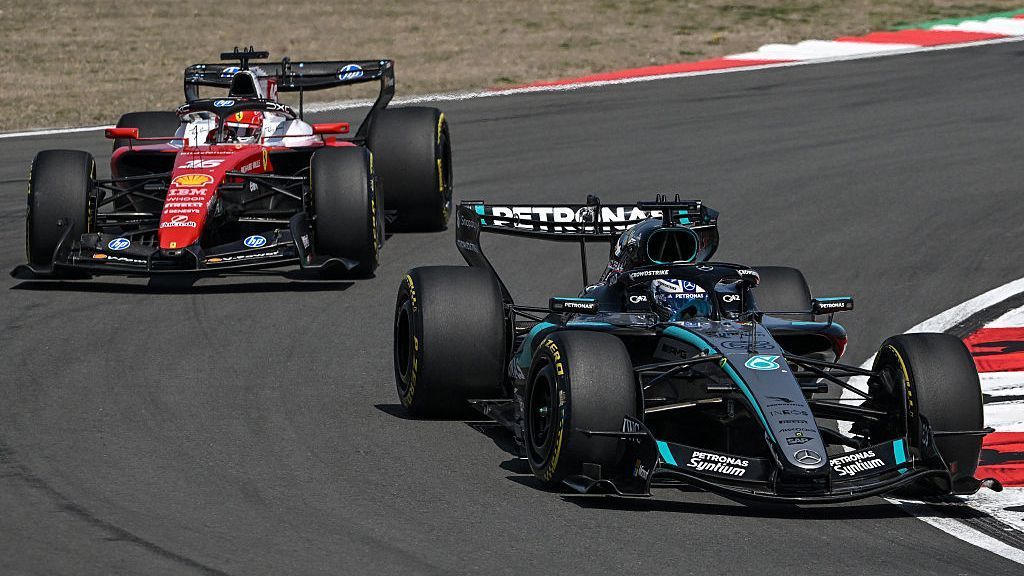
Ultimately, the race illustrated the balance teams must strike between strategic planning and adaptability in response to evolving race conditions. The reflection on Zandvoort's challenges underscores the ongoing complexities of tyre strategy in Formula 1, with each race presenting unique variables to navigate.
Looking ahead, the insights gained from races like the Dutch GP may shape future strategies as teams continue to refine their approaches to such multifaceted and unpredictable factors. As F1 moves forward, the ability to adapt will remain a critical component of success on the track.