As the Brazilian Grand Prix nears, Formula 1 teams find themselves entangled in a web of complex strategic decisions. Several factors, including the new track surface, the timing of the sprint race, tire selections by Pirelli, and uncertain weather conditions, have combined to create a challenging environment for race engineers.
The resurfacing of the Interlagos circuit has brought about a notable increase in grip levels. However, teams remain uncertain about tire degradation and wear. This lack of clarity stems from the unpredictable track conditions experienced on the opening day. "It's unbelievable degradation here. This track is made out of sandpaper, so it will make it interesting,” said Alex Albon, a driver for Williams. His sentiments reflect the perplexing nature of the circuit, where high temperatures have significantly affected tire performance.
During the opening practice session, track temperatures soared to mid-50 degrees Celsius, resulting in severe tire wear. This rough surface and resultant graining added to the complications, making tire management critical. As the day progressed, conditions improved slightly during the late-afternoon sprint qualifying, with temperatures dropping into the 40s. Teams, however, remain cautious, especially with the sprint race scheduled for 11 a.m. local time on Saturday, when conditions may revert to hotter temperatures.
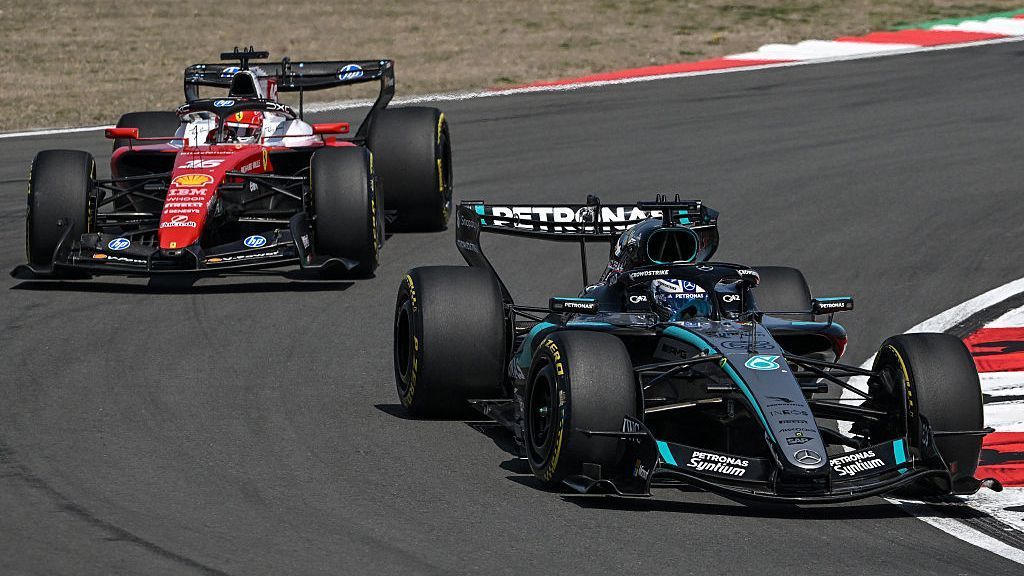
-competes-with-Ferraris-Monegasque-driver-Charles-Leclerc.jpeg?trim=0,0,0,0&width=1200&height=800&crop=1200:800)
Pirelli's decision to supply the most aggressive tire compounds for this weekend presents an additional layer of complexity. With the soft tires proving ineffective for longer stints due to their short lifespan, teams will likely gravitate towards medium or hard tires for the sprint. The ramifications of this choice are significant, as teams' tire supplies are restricted, heightening the stakes for strategy calls.
In light of these conditions, race strategists are left pondering their most effective course of action. The lack of definitive data following the practice sessions complicates the decision-making process further. As teams deliberate their optimal approach, the reality of their situation becomes increasingly pronounced—ample strategy flexibility will be crucial in navigating both the sprint and the main race.
"The best route forward is not clear right now," said a team strategist who wished to remain anonymous. This uncertainty surrounding tire allocation and performance, paired with the unpredictable nature of the Brazilian climate, means teams will need to adapt quickly based on not just performance data but also the conditions experienced on race day.
To compound these tactical issues, the teams are also grappling with the potential impact of weather changes, which can drastically affect tire choices and overall vehicle performance. With a delicate balance necessary between speed and tire conservation, team principals and strategists will be on edge as they prepare for a racing environment that promises to test their adaptability like never before.
As the atmosphere in the paddock thickens with anticipation, all eyes will be on how teams navigate these strategic complexities. The Brazilian GP weekend is set to serve as a crucible of strategic planning, where every decision could mean the difference between podium glory and mid-field obscurity.
In summary, the upcoming Brazilian GP underscores the continual evolution of race strategy within Formula 1. With tire management, surface conditions, and unpredictable weather at play, the race may very well hinge on the teams' ability to respond dynamically to changing conditions and information, emphasizing the importance of strategic acumen in modern motorsport.