The 1989 Monaco Grand Prix, held on May 7 at the exquisite Circuit de Monaco, was a critical event in the Formula One calendar, marking the third round of the 1989 World Championship. Ayrton Senna emerged victorious in this prestigious race, demonstrating his unrivaled skill by winning from pole position in his McLaren-Honda.
"It was an incredible weekend, and to win at Monaco is always special," said Senna, reflecting on the significance of his triumph. He completed the 77-lap race, covering a distance of 256.256 kilometers (159.230 miles), with his teammate Alain Prost finishing in second place, while Italian driver Stefano Modena claimed third in a Brabham-Judd.
As the cars lined up for the race under warm and sunny conditions, anticipation hung in the air. The event was officially named the 47e Grand Prix de Monaco, showcasing the allure and prestige associated with this iconic venue. Senna's pole time of 1:22.308 set a strong foundation for his performance throughout the race.
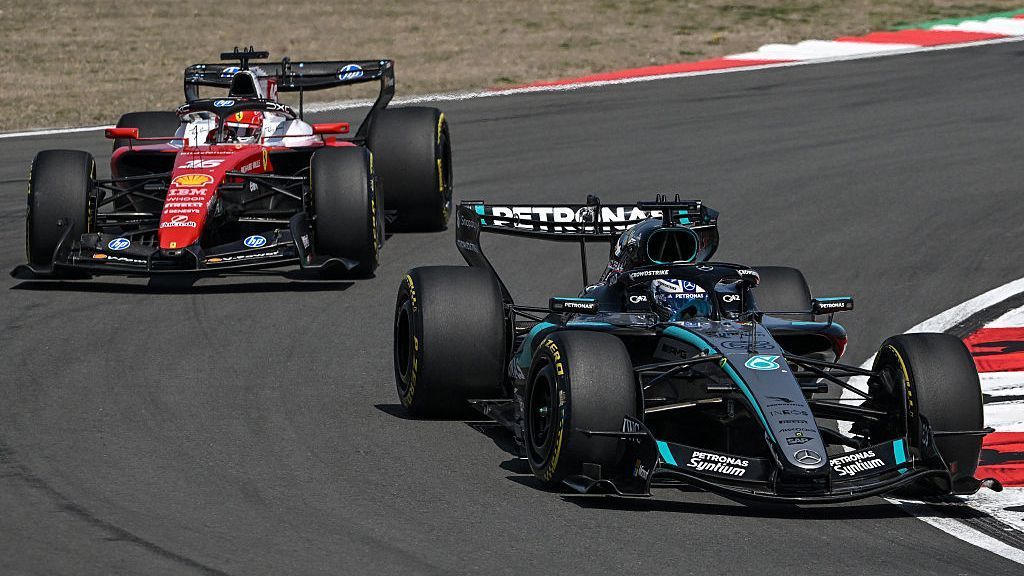
-competes-with-Ferraris-Monegasque-driver-Charles-Leclerc.jpeg?trim=0,0,0,0&width=1200&height=800&crop=1200:800)
In a competitive qualifying session leading up to the Grand Prix, various teams made strategic updates to their vehicles. "We brought new modifications hoping to improve our performance, but it's always a challenge at Monaco," expressed a team engineer from Brabham. Notably, Scuderia Ferrari encountered difficulties; they elected to enter only one car due to a prior incident that had left Gerhard Berger unable to compete.
"The lack of a second car was a blow for us, but we still aimed to make the best out of the situation," said Ferrari’s then-team principal. The team, however, wasn't able to apply certain planned upgrades due to time constraints following an accident at the previous race in Imola.
The qualifying rounds took place on May 4 and May 6, with the remaining teams, including notable ones like McLaren, Williams, and Lotus, bringing updates or new solutions for their cars. According to a source close to one of the teams, "Adrian Newey’s CG891 made its debut here, marking a significant moment in our season."
The race itself unfolded smoothly for Senna, as he maintained his lead from the start. "Monaco is all about keeping your composure, and I felt in control throughout the race," Senna remarked after his victory. Alain Prost, his closest competitor, noted that while Senna's performance was formidable, his own second place was a solid finish given the circumstances. "It's always tough racing here, and we had some good battles, but Ayrton was simply quicker today," Prost admitted.
The atmosphere during the race was electrifying, with spectators lining the streets of Monte Carlo, soaking in the excitement as cars zipped by on the narrow, twisting streets. The challenging characteristics of the circuit added an extra layer of difficulty, with many drivers expressing their thoughts. "Every corner is a test, and you need confidence to push hard here," said Modena, who was pleased to secure third on the podium.
The event concluded with an impressive display of sportsmanship and skill, reaffirming the legendary status of the Monaco Grand Prix in the world of Formula One. As teams packed up and prepared for the next race, Senna’s performance continued to resonate, cementing his legacy in the sport.
Reflecting on the race, analysts observed that Senna’s victory seemed a signals for the season ahead, with his consistency established from this moment forward. The Formula One community buzzed with discussions about the upcoming races, eager to see how this iconic season would unfold.