
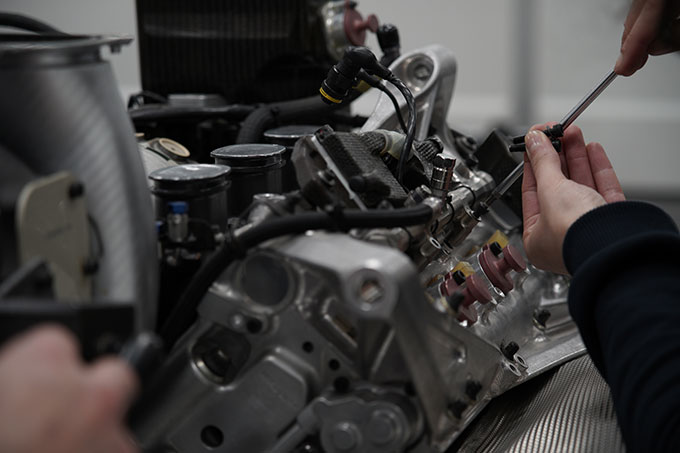
In the fast-paced realm of Formula 1, the sport continues to captivate fans and drivers alike with its thrilling races and advanced engineering. However, the announcement of new engine regulations for 2026 has ignited a wave of debate among teams, fans, and industry experts. Following approval from the FIA World Motor Sport Council in August 2022, these regulations are set to introduce significant changes, shifting the focus towards sustainability while maintaining performance standards.
"The 2026 regulations are a crucial step towards a more sustainable future for F1, but we need to ensure that they do not compromise the spirit of racing," said a senior team strategist. The new engine rules prioritize eco-friendly practices, aiming for net zero carbon emissions by 2030. As the sport evolves, the balance between environmental responsibility and competitive performance is at the forefront of many discussions.
One of the standout features of the new regulations is the introduction of a 100% carbon-free fuel, designed to eliminate fossil fuel carbon emissions during races. This move has garnered attention as it solidifies F1's commitment to sustainability. An executive from a major engine manufacturer expressed optimism about the potential benefits: "Switching to completely carbon-free fuel will not only reduce our carbon footprint but also position F1 as a leader in environmentally responsible racing."
The regulations also include a significant increase in electrical power. The MGU-K unit, responsible for recovering energy during braking, is set to generate nearly three times more energy—up to 350 kilowatts compared to the current system’s 120 kilowatts. "This is an exciting transition; the possibilities for increased power and efficiency are vast," mentioned an F1 analyst.
However, not all feedback has been positive. The reduction in allowed fuel for a Grand Prix race has raised eyebrows. Teams will see the maximum amount of fuel lowered from 100 kilograms to just 70 kilograms by 2026, a sharp decline from the 160 kilograms allowed in 2013. Despite this, engineers are tasked with ensuring that their cars maintain over 1,000 horsepower outputs. A prominent team manager expressed concern, stating, "While we understand the need for sustainability, drastically reducing fuel limits complicates our car development significantly."
The regulatory changes also entail the removal of the MGU-H component, a decision that has been met with skepticism. This system has historically captured energy from exhaust gases and converted it into electrical power. An engineer from a leading team noted, "The absence of the MGU-H presents both challenges and opportunities. We have to rethink energy recovery entirely, and that can lead to a loss in performance consistency."
Critics of the removal have pointed out potential issues such as turbo lag, which may arise without the MGU-H's ability to aid acceleration. "Drivers may experience delays in response when accelerating out of corners, which fundamentally alters how the cars behave at high speeds," explained a veteran driver. This potential hurdle has led teams to reconsider their driving strategies for the upcoming seasons.
In an effort to mitigate costs and encourage new manufacturers, the FIA has mandated recycling of batteries and materials used in F1 cars. This move aims to bring down operational costs by standardizing certain components and limiting sophisticated systems like the MGU-H. "It's a double-edged sword; while the costs may be reduced, the competitive edge some teams have could also be diminished," remarked a team principal.
To ensure that no team gains an unfair advantage, limitations have been placed on dyno testing hours and the number of power units allowed per car in a season, set at three. These measures sparked mixed feelings within the paddock, with various team representatives urging for a more comprehensive evaluation of these rules before they are fully implemented.
As the F1 community navigates these changes ahead of the 2026 season, the dialogue surrounding engine regulations continues. While the FIA remains steadfast in their belief that the new rules will not impede the quality of racing, many stakeholders are calling for further analysis. With sustainability goals and performance capabilities at stake, the future of Formula 1 presents both challenges and exciting possibilities.