In June 2024, the FIA and Formula 1 unveiled their long-awaited regulations for the 2026 season, signaling a transformative era for the sport. With an emphasis on sustainability and competitive racing, the new rules represent a comprehensive overhaul of how F1 cars will perform and operate.
"Our goal is to create a racing environment that is more sustainable while enhancing the excitement for fans," said F1 CEO Stefano Domenicali. He highlighted that these regulations are designed not just for performance but also to align with global environmental objectives.
One of the most notable changes is the significant reduction in car weight. By dropping the minimum weight from 798kg to 768kg, the new regulations aim to yield cars that are lighter and more agile. This redesigned physics is expected to foster closer racing dynamics, setting the stage for exhilarating wheel-to-wheel action.
-competes-with-Ferraris-Monegasque-driver-Charles-Leclerc.jpeg?trim=0,0,0,0&width=1200&height=800&crop=1200:800)
"Lighter cars allow for better handling and are crucial for our future racing strategies," remarked Chief Technical Officer of F1, Pat Symonds.
The heart of the new regulations lies in the advanced hybrid power units. While the current 1.6-liter V6 turbo engines will remain intact, the role of electric power will significantly expand. The electrical component will nearly triple, providing an impressive 350kW (roughly 475hp) solely from the MGU-K.
"The aim of these advanced power units is to ensure we continue pushing the boundaries of motorsport technology," said F1 Executive Director for Engineering, Nikolas Tombazis. He also confirmed that the MGU-H unit will be eliminated to simplify the engines and cut costs further.
Moreover, these engines will run exclusively on sustainable fuels, a step that aligns with F1's commitment to achieving net-zero carbon emissions by 2030. "Transitioning to 100% sustainable fuels is pivotal for the sport's future," emphasized FIA President Mohammed Ben Sulayem.
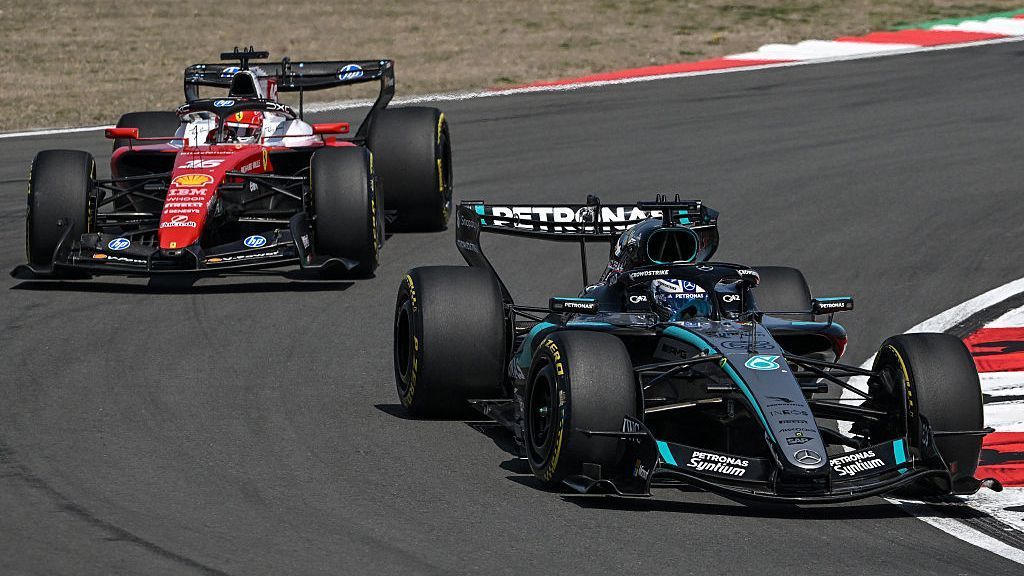
Aimed at transforming the overtaking game, the regulations also introduce active aerodynamics. Cars will be equipped with movable front and rear wings that reduce drag on straights, similarly to DRS, but are designed to adapt for necessary downforce in corners. This innovative approach intends to diminish the issue of 'dirty air', enabling drivers to follow closely.
"With these aerodynamic advancements, we hope to see a new era of overtaking opportunities," said Renault’s Director of Racing, Alan Permane. He underscored the need for such innovation in fostering a competitive sports environment.
The update also emphasizes safety and cost control measures. Enhanced safety standards, such as stronger roll hoops and improved crash structures, will be implemented to protect drivers effectively. Additionally, teams will encounter stricter budgetary constraints to limit excessive spending, reflecting Formula 1's commitment to a more financially viable model.
"Safety is our utmost priority, and we believe these new regulations will further secure our drivers while maintaining the sport's competitive edge," commented FIA Safety Director Adam Baker.

The implications of the 2026 regulations are profound for the future of racing. With lighter cars, increased hybrid power, and revisited aerodynamic rules, it sets the stage for potentially thrilling races. Teams will need to rapidly adapt to these changes, suggesting a shift in competitive order as new manufacturers, like Audi and Cadillac, join, and Honda associates with Aston Martin.
"Embracing these changes is crucial for our ongoing success in the sport," stated Christian Horner, Team Principal of Red Bull Racing. He indicated that adapting quickly to these evolving regulations will be vital for teams aiming to thrive in this new landscape.
As fans and teams prepare for the upcoming season, the anticipation is palpable. Stay tuned for further analysis and updates as the 2026 Formula 1 season approaches, heralding a fresh chapter in the legacy of racing.