The landscape of Formula 1 will undergo a significant transformation starting in 2026, as new powertrain regulations aim to enhance sustainability while attracting more manufacturers to the sport. However, this shift comes with a notable decrease in engine power.
"The lower power is all part of the plan," shared insights from an Engineering Explained video detailing these impending changes. Under the revised rules, the hybrid powertrains, or "power units," will maintain a turbocharged 1.6-liter V-6 configuration but will lose approximately 33% of their power, reducing the output to around 560 horsepower.
This reduction in power arises from a new regulation that governs fuel flow based on total energy rather than fuel mass. According to the guidelines, there will also be a decrease in fuel tank capacity, and for the first time, fuel octane levels will be regulated. As elaborated in the same video, "That means less combustion, and thus less power."
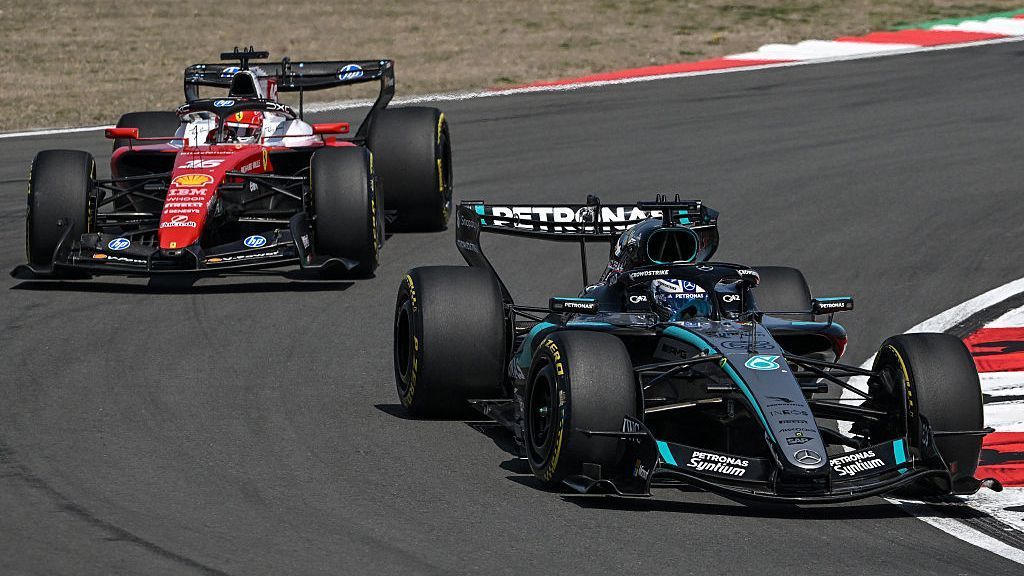
-competes-with-Ferraris-Monegasque-driver-Charles-Leclerc.jpeg?trim=0,0,0,0&width=1200&height=800&crop=1200:800)
The shift not only aims to minimize fuel consumption but also mandates the use of sustainable fuels, which will be derived from processes other than refining crude oil. The goal is to present Formula 1 as more environmentally responsible, even though it’s acknowledged that emissions from the cars during races are minimal compared to the carbon footprint generated by teams and spectators traveling to each event.
A crucial aspect of the 2026 regulations involves changes to the electric components of the hybrid powertrains. Presently, electric power is sourced from two components—Motor Generator Unit Kinetic (MGU-K) and Motor Generator Unit Heat (MGU-H). The upcoming rules will see the elimination of the MGU-H, while the MGU-K will receive a substantial increase in output from 160 horsepower to 470 horsepower.
"That should make up for the loss of power from the combustion engine," one analysis reported, highlighting the impact of this adjustment. However, the battery capacity is set to remain at approximately 1.1 kWh, raising new challenges for engineers. The enhanced power of the MGU-K could lead to quicker battery drainage on longer straights, thus complicating power management strategies during races. "Electric motor output will also be limited at higher speeds," the assessment noted, indicating that despite the reduction in combustion engine power, teams will likely depend heavily on their electric motors.
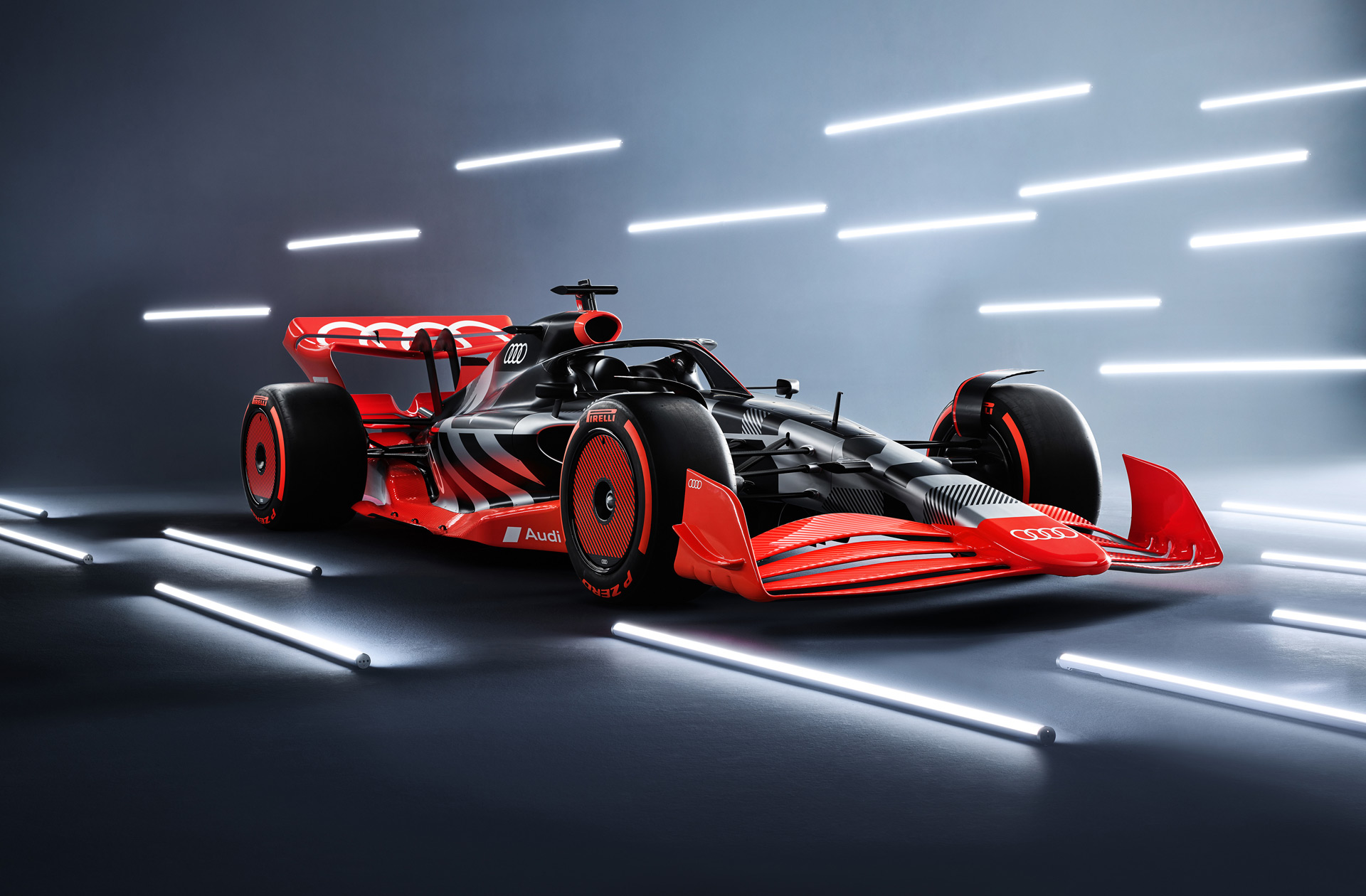
As the start of the 2026 F1 season looms, anticipation builds around how these new regulations will influence the racing experience. Interestingly, the changes have already stirred interest from additional automakers in the sport. Ford is set to make its return through a partnership with Red Bull Racing, while Sauber is transitioning from its current Alfa Romeo branding to Audi in anticipation of their debut.
"Cadillac aims to enter F1 with Andretti, a move that, if approved, would structure the General Motors luxury brand's entrance into the sport after the new regulations are implemented," an industry insider remarked, emphasizing the growing appeal of F1 with its revamped guidelines.
As Formula 1 gears up for this new era marked by reduced power but enhanced focus on sustainability, stakeholders remain curious to see how these shifts will play out on the track and impact the sport's dynamics moving forward. With new partnerships and a commitment to greener technology, the future of F1 looks to be evolving rapidly beneath its high-speed surface.