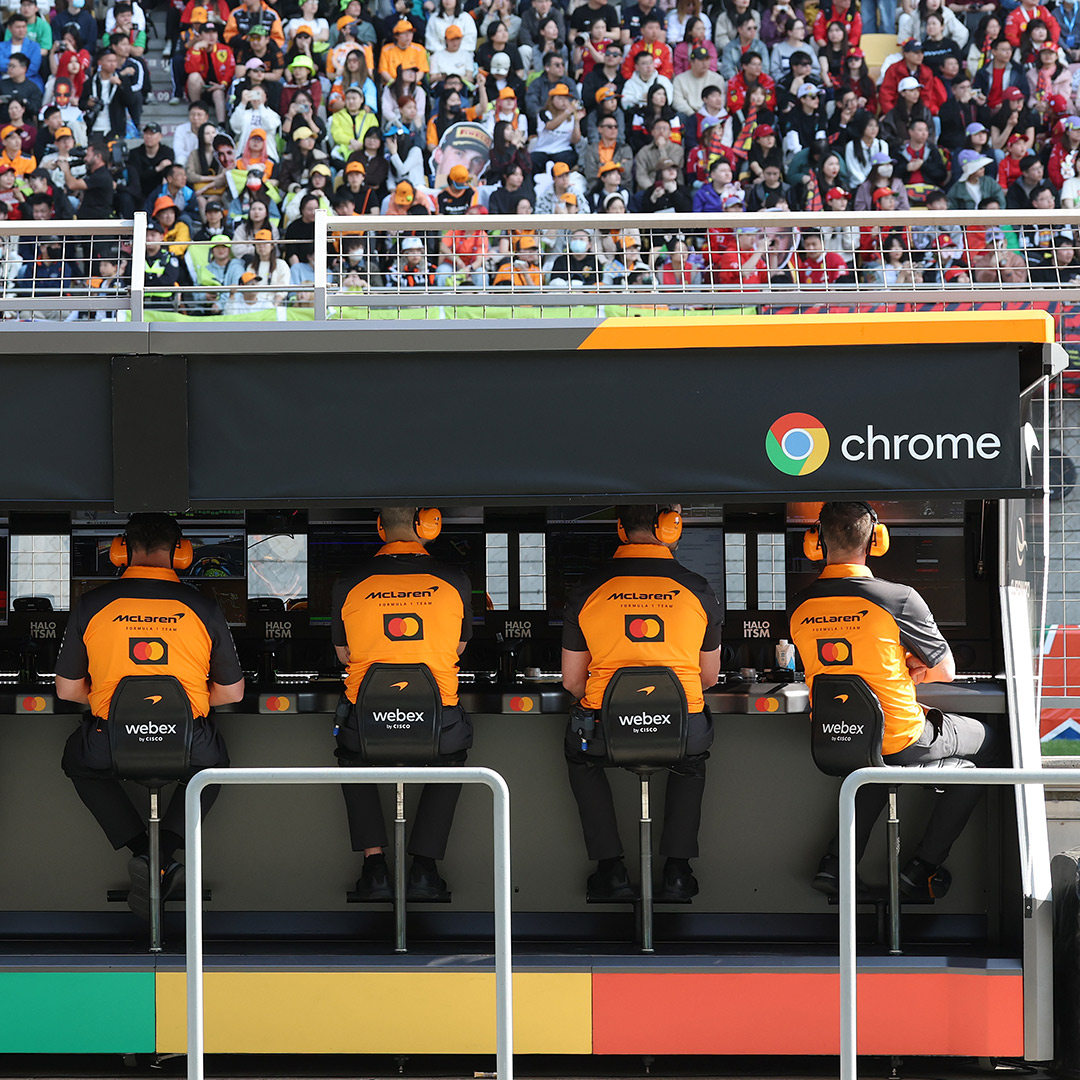
The 2025 Formula 1 season culminated on December 12, highlighted by the end-of-season FIA prize-giving ceremony in Uzbekistan. With Team Principal Andrea Stella, CEO Zak Brown, and drivers Lando Norris and Oscar Piastri in attendance, the team celebrated a grand achievement, bringing home the Constructors’ Championship trophy and the Drivers’ Championship trophy. Alongside 14 race-winning trophies and 34 podium finishes, this marked a successful season worth noting.
"It’s been an incredible year for us, with so many victories and podiums, better reflecting our strategic developments on the track," said Zak Brown, emphasizing the significance of the season's achievements.
As teams adapted to the technical regulations, which remained largely stable from 2024, the strategies evolved subtly. Drivers and teams were consistently searching for an edge amid stiff competition as the regulations period wound down.
-competes-with-Ferraris-Monegasque-driver-Charles-Leclerc.jpeg?trim=0,0,0,0&width=1200&height=800&crop=1200:800)
One notable area of change was tyre management. Pirelli revamped their tyre compounds for the 2025 season to accommodate increasing downforce as teams geared up their performance. The C2 compound was calibrated to bring it closer to the performance range of the C3, while the C4 and C5 compounds had adjustments to reduce their susceptibility to graining. The introduction of C6, a softer variant suitable for low-energy circuits, also drew interest.
"We aimed for a more robust tyre range this year, and I believe we've seen some impact with fewer two-stop races," said a Pirelli spokesperson, underlining their expectations for race strategies with the new compounds. However, the expectation diverged from reality as teams faced challenges in successfully integrating the compounds into their strategies.
For instance, four races – including key circuits like Imola, Monaco, Canada, and Azerbaijan – saw the introduction of the new C6. However, teams showed reluctance towards this new option, primarily utilizing it in practice and qualifying rather than race conditions.
"The C6 wasn’t a hugely popular compound during the season, it largely ended up as a qualifying tyre," said one analyst, describing how it failed to contribute to race-winning strategies across various events. Throughout the season, McLaren opted to not run a single racing lap on the C6, pointing to a broader trend of teams eschewing its use in favor of more established performance options.
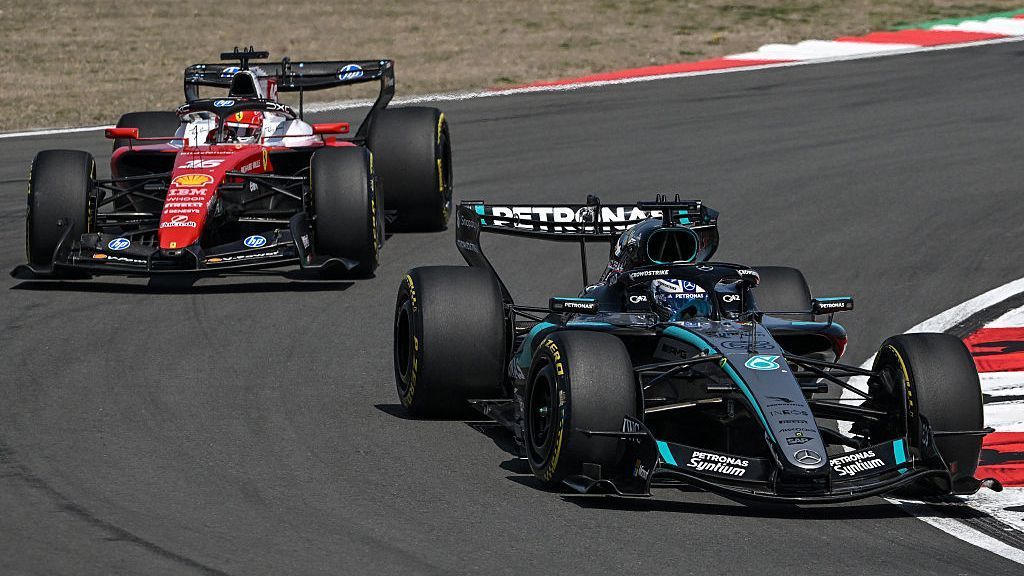
Looking into the specifics of race strategy, the shift towards one-stop strategies became more pronounced in specific races. Notably, tracks like China, Japan, Hungary, and Las Vegas saw the majority transition from two-stop to a one-stop approach. This call was influenced by a mix of race conditions, tyre durability, and strategic decision-making.
"It’s fascinating how the competition adapts and recalibrates based on both tyre performance and the evolving race strategies, which shape the overall outcomes," stated Andrea Stella, referencing the tactical changes observed throughout the season.
Despite some unpredictability in the tyre performance, the dynamics of qualifying remained significant. McLaren’s adaptive approach saw the default decision to take four sets of soft tyres into qualifying, which proved to be effective strategically. However, rival teams such as Mercedes and Aston Martin showcased their own preferred strategies by occasionally bypassing the C6 in favor of safer compounds.
"Consistency in performance is key, and our strategy reflected that balance in making sure we had the right tyres ready," said Norris, reflecting on McLaren’s persistent focus on qualifying outcomes as a part of their broader strategy.

As teams continue to assess performance and strategy ahead of the next season, the 2025 Formula 1 season illustrated how nuanced the game of strategy can be, driven by tyre developments and the relentless pursuit of competitive edges. The efforts to adapt and refine will undoubtedly set the stage for what promises to be another fiercely contested season ahead in 2026.