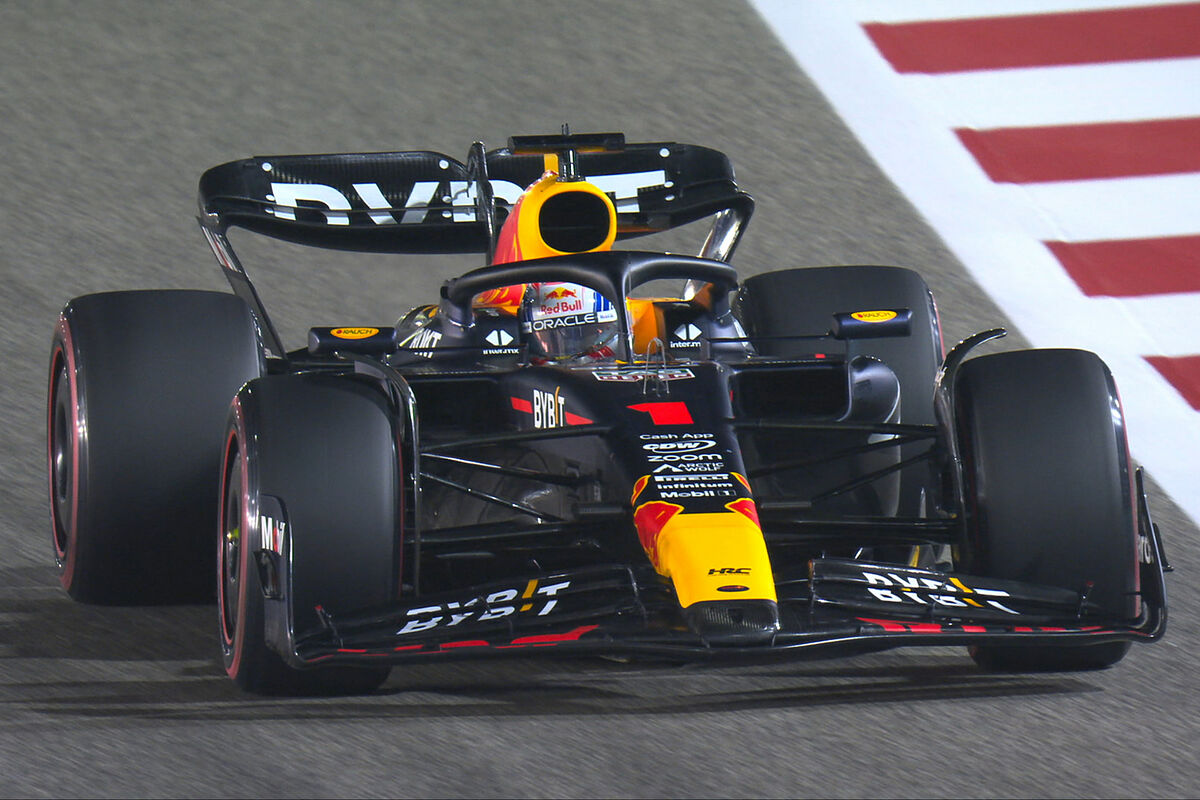
As the 2023 Formula 1 season kicks off with the Bahrain Grand Prix, anticipation surrounds the grid's evolving competitive landscape. After a thrilling qualifying session where Max Verstappen secured pole position, fans are eager to see how new regulations will impact the racing dynamics.
"The competition is looking closer than ever," said F1 commentator David Croft, highlighting the unexpected parity among teams during qualifying. This year's regulations, particularly focused on the car's floor design, were introduced to mitigate issues like porpoising that previously plagued several teams, notably Mercedes.
Since the FIA's announcement of these changes last year, the aim was to create a more level playing field, promoting fairer competition. "We have worked diligently to ensure that our regulations facilitate a better racing experience for fans, while maintaining safety as a priority," said Mohammed Ben Sulayem, President of the FIA.
-competes-with-Ferraris-Monegasque-driver-Charles-Leclerc.jpeg?trim=0,0,0,0&width=1200&height=800&crop=1200:800)
The modifications mainly target factors contributing to undesirable aerodynamic behaviors, ensuring teams have a better handle on their cars’ performance. One of the most talked-about updates is the increase in stiffness requirements for the floor of the cars. This measure addresses the bounce phenomenon that left some drivers struggling for control last season.
In addition to floor stiffness, the FIA has also imposed stricter guidelines on ride height. "Raising the minimum ride height will help reduce the porpoising issues while allowing teams to find a balance between downforce and stability," explained Technical Director Nikolas Tombazis.
While these technical adjustments are significant, they also represent a strategic shift in team dynamics and performance expectation. With each team adapting their design philosophy, there’s a palpable buzz in the paddock. "Every team is approaching these regulations differently, which adds an exciting variable to the championship race," said driver Lewis Hamilton.
Tensions are high as the teams delve into the intricacies of their new setups. Many teams, including those previously struggling at the back of the grid, are optimistic about their chances for the season. "The regulations have given us a unique opportunity to make significant advancements in our performance," remarked team principal Guenther Steiner.
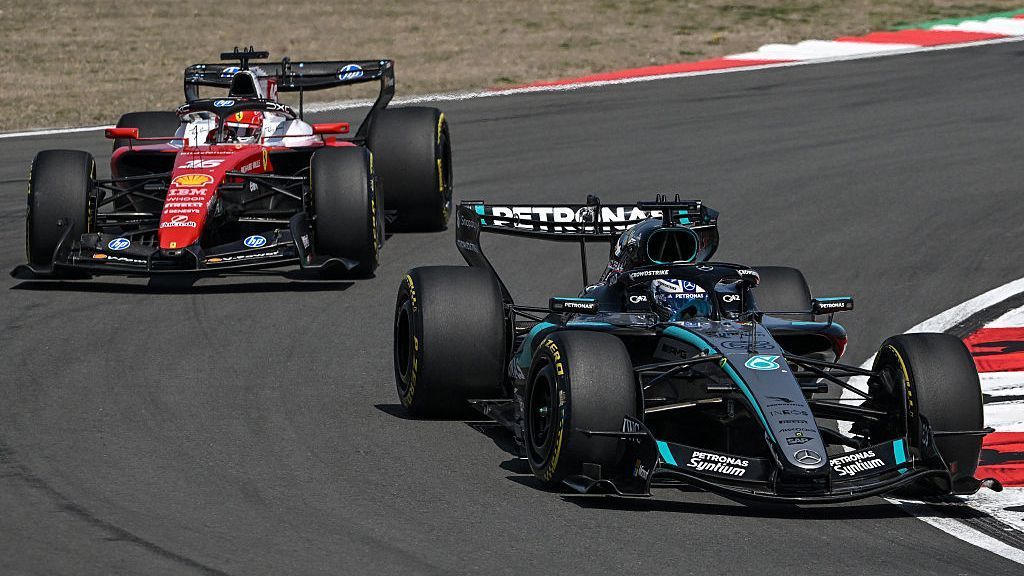
The competition is no longer just about the usual frontrunners; now, we see emerging teams eager to capitalize on the adjusted regulatory framework. With the Bahrain Grand Prix serving as a litmus test, the excitement is unmistakable. "I think fans will notice the changes immediately. The racing should be closer, and overtaking might become easier," suggested Verstappen after his pole position lap.
As the season unfolds, it will be intriguing to observe how these rule changes affect race strategies and the overall performance of the teams. The FIA's introduction of these regulations is a bold step toward making the championship more competitive.
Looking ahead, this season's new rules may set the standard for future races, emphasizing the ongoing need for evolution within the sport. As teams adapt to these changes, both on and off the track, the implications for performance and strategy are enormous, promising an exhilarating season for drivers and fans alike.