The 1950 Indianapolis 500 was a landmark event in the world of motorsport, serving as one of the first races to be included in the Formula 1 World Championship. Held on May 30, 1950, this legendary race not only captured the attention of racing fans across the globe but also set the stage for the evolution of Formula 1 as we know it today.
"This race is unlike any other; it’s the crown jewel of American motorsport," said Jim Rathmann, who competed in that legendary event. The Indianapolis Motor Speedway, known for its iconic 2.5-mile oval layout, became a battleground for top-tier drivers showcasing their skills at high speeds.
In a 1950 field filled with notable drivers, it was Johnny Parsons who clinched victory, completing the race in an astonishing time of 4 hours, 50 minutes, and 32 seconds. Parsons’ triumph was more than just personal; it represented the burgeoning popularity of Formula 1 in the United States.
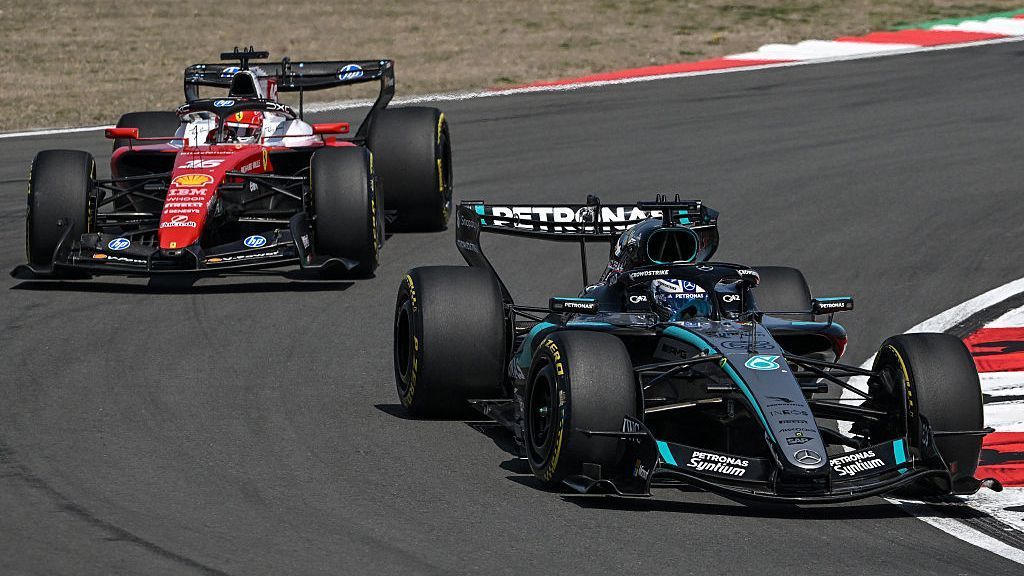
-competes-with-Ferraris-Monegasque-driver-Charles-Leclerc.jpeg?trim=0,0,0,0&width=1200&height=800&crop=1200:800)
"Winning the Indy 500 was my lifelong dream, and to do it under the Formula 1 banner makes it even more special," said Parsons shortly after his remarkable win. His passion and dedication resonated with fans, as he led a race filled with excitement, strategy, and considerable risk.
One of the key aspects of the 1950 Indianapolis 500 was the thrilling competition among various teams and drivers. The race featured numerous leaders and close calls, a testament to the level of skill on display. Speaking about the race dynamics, renowned team owner and manager, Al Pardo, remarked, "Every lap felt like a battle. The competition was fierce, and you had to hold your nerve to succeed here."
As the race progressed, the tension built steadily among competitors. With each lap, fans watched as fortunes changed, driving home the unpredictability that characterizes motor racing. It was an event where strategy could shift the trajectory of the outcome at any moment.
An emerging star during this period was the talented driver, Duke Nalon, who finished the race in second place. Reflecting on his experience, Nalon stated, "Coming so close to winning was exhilarating yet heartbreaking. Every second counts in this sport, and I learned that the hard way."
Following Parsons, the sense of achievement among the drivers highlighted the significance of the Indianapolis 500 not only as a race but as a rite of passage for many drivers. In his post-race interview, Parsons expressed his gratitude, saying, "I owe a lot to my team. This is a team sport as much as it is an individual one. Without their support, none of this would be possible."
Importance was also placed on the role of technology and innovation. The post-war era saw a surge in automotive advancements, contributing to the ever-increasing speeds and battened down aerodynamics of the cars. As an analyst noted, "The 1950 Indianapolis 500 was more than just a race; it was a showcase for engineering prowess that influenced design in F1 for decades."
As the first race of the 1950 Formula 1 season, the Indianapolis 500 outlined the influences of American racing culture on the sport. It was a blend of European finesse and American endurance, setting the tone for international competitions moving forward.
With so much history packed into a single event, the 1950 Indianapolis 500 is remembered not only for its thrilling on-track action but also for the pivotal role it played in shaping the future of Formula 1 worldwide. As motorsport continues to evolve, the legacy of this iconic race will undoubtedly endure, inspiring future generations of drivers and fans alike.